
Live Well in the Modern World.
Simple, evidence-based guidance on real food, non-toxic living, sleep, movement, fertility, and family health.
Start Here



The Healthy Home Guide
Your step-by-step blueprint to creating a cleaner, safer home without the overwhelm. Clear education, simple swaps, and real solutions.
-
This section gives you the essential building blocks of a low-toxin home. You’ll learn the fundamentals behind cleaner air, safer water, healthier materials, and the daily habits that quietly shape your family’s wellbeing.
-
Here, we guide you through every major area of your home with clear priorities and easy, step-by-step upgrades.
-
These are the fast, affordable upgrades that move the needle the most—perfect if you want to start feeling a difference right away.
Tour Our Healthy Home
Take a room-by-room look at how we designed a safe, low-toxin environment for our family — from air and water quality to cookware, nursery choices, and daily routines.
Nutrition pros, new parents, and passionate about creating a healthier home.
We simplify non-toxic living so families can make small changes that create a big impact.

GET OUR BEST STUFF
Free Resources for a Healthier Home
Practical, family-friendly tools to help you make meaningful changes without the overwhelm.

Simple, curated, non-toxic gift ideas for everyone on your list — with exclusive deals to save you time and money.
Holiday Gift Guide

Your no-stress roadmap to building a safer nursery, choosing the right baby products, and protecting your little one from hidden toxins.
Non-Toxic Baby Guide
Simple, Healthy Recipes for Your Family
IN THE KITCHEN
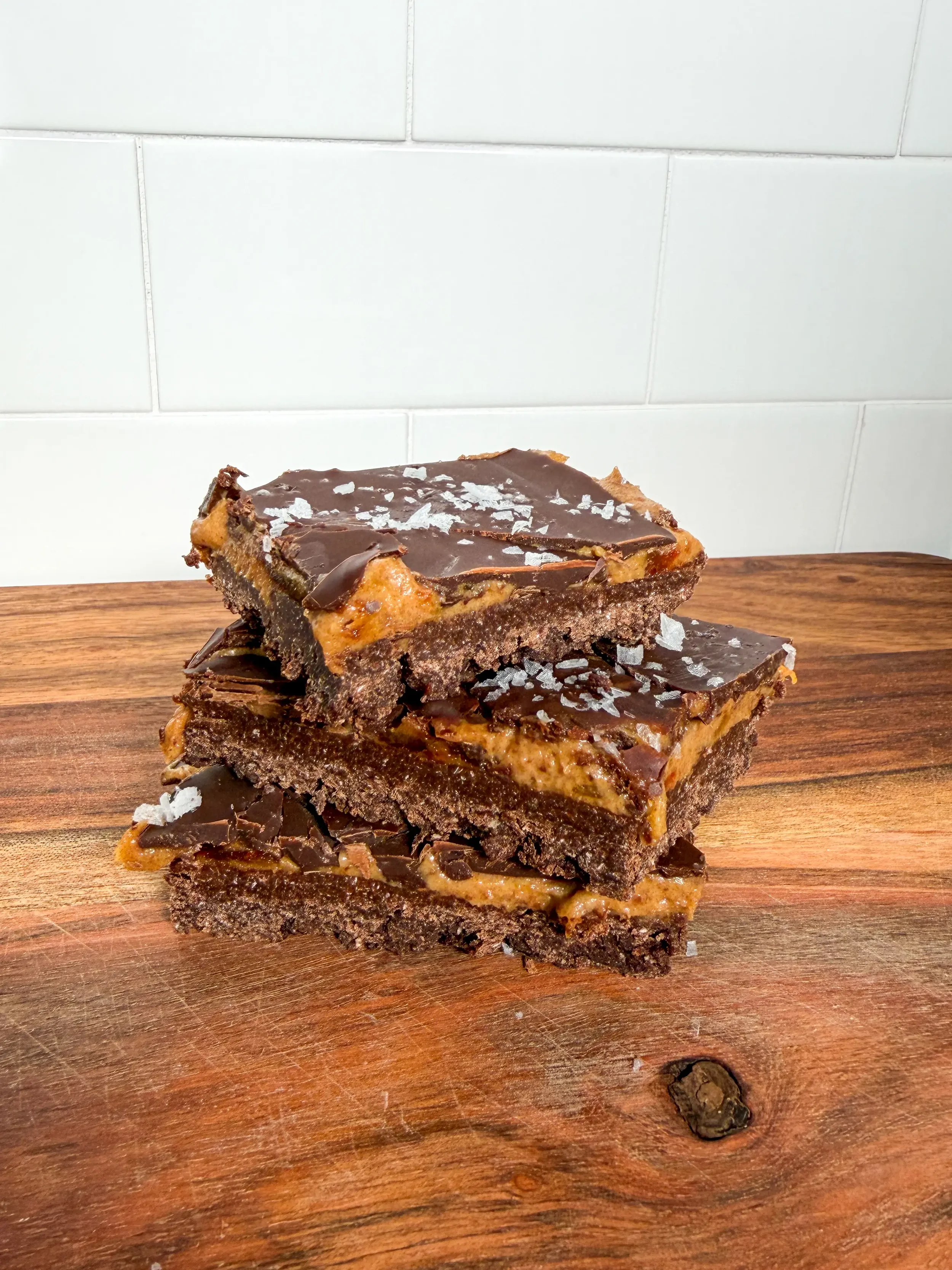
These Salted Chocolate Caramel Protein Bars (No Bake) are rich, chewy, and packed with real-food ingredients like sprouted oat flour, dates, raw milk, and Equip Prime chocolate protein. A soft chocolate cookie base is layered with a gooey salted date caramel and finished with dark chocolate and flaky sea salt — the perfect high-protein snack that tastes like dessert but actually keeps you full.
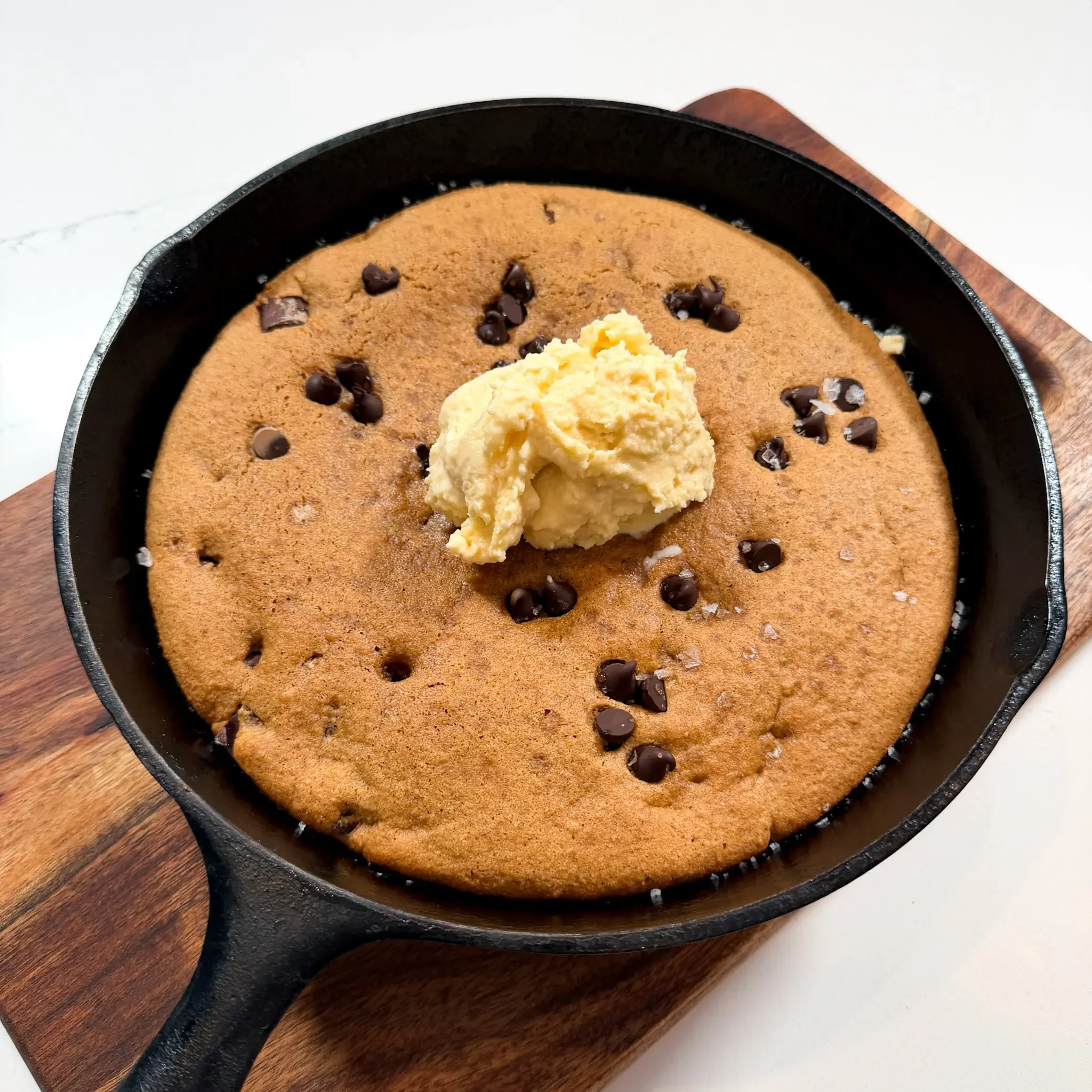
This warm, gooey protein cookie skillet is the ultimate better-for-you dessert — made with sprouted oat flour, arrowroot, grass-fed butter, clean sweeteners, and a boost of collagen + whey for real nourishment. It bakes up molten in the center, golden on the edges, and is absolutely unreal topped with raw milk vanilla ice cream. A cozy, nutrient-dense treat the whole family will devour straight from the skillet.
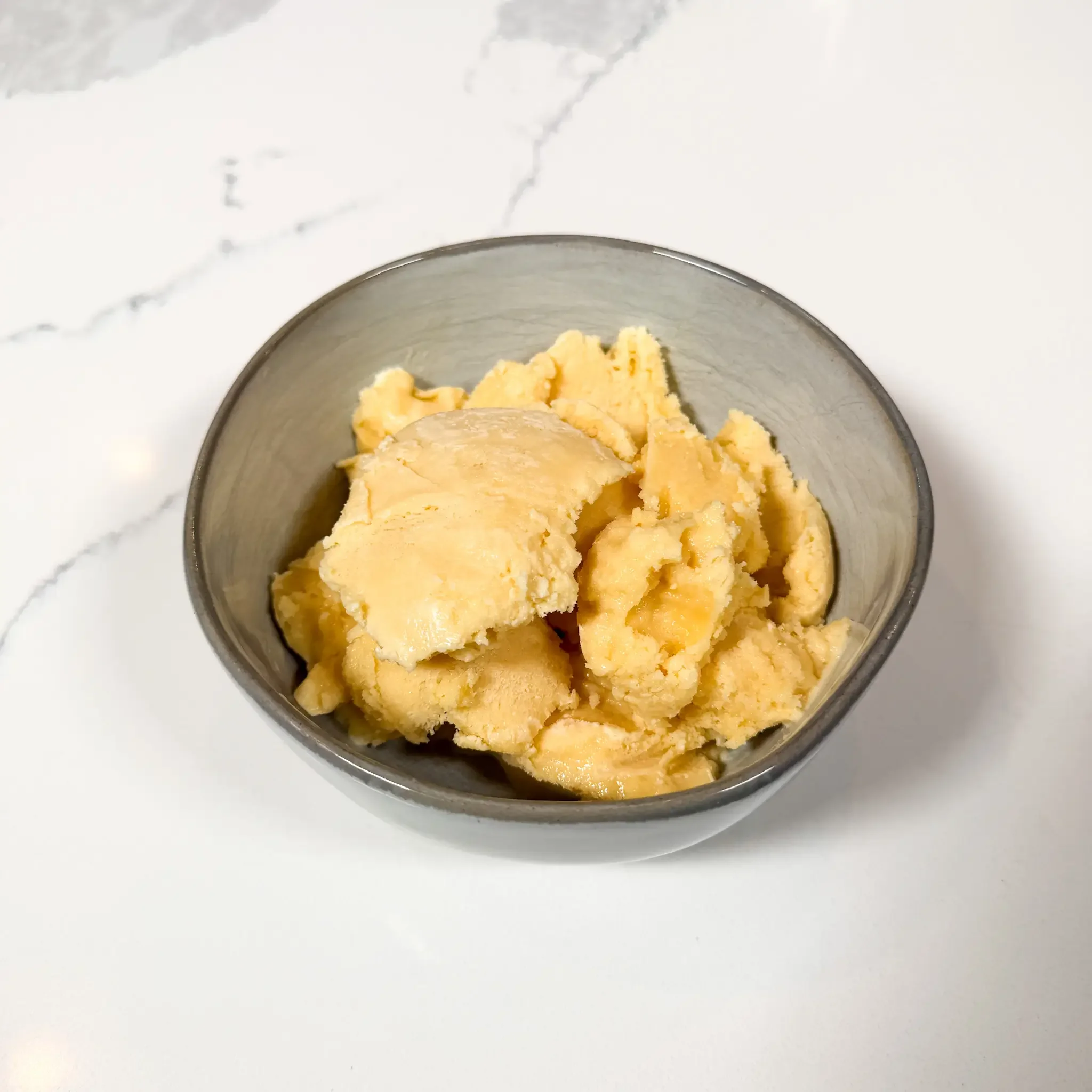
This Raw Milk Vanilla Ice Cream is everything ice cream should be - rich, creamy, and made with nothing but real ingredients. Raw milk, raw cream, pastured egg yolks, and pure vanilla come together for a nostalgic, old-fashioned flavor without the gums, stabilizers, or seed oils found in store-bought pints. It’s the perfect summer treat that’s simple to make, deeply nourishing, and kid-approved. Scoop it soft-serve style straight from the ice cream maker or freeze it for a classic, scoopable texture.
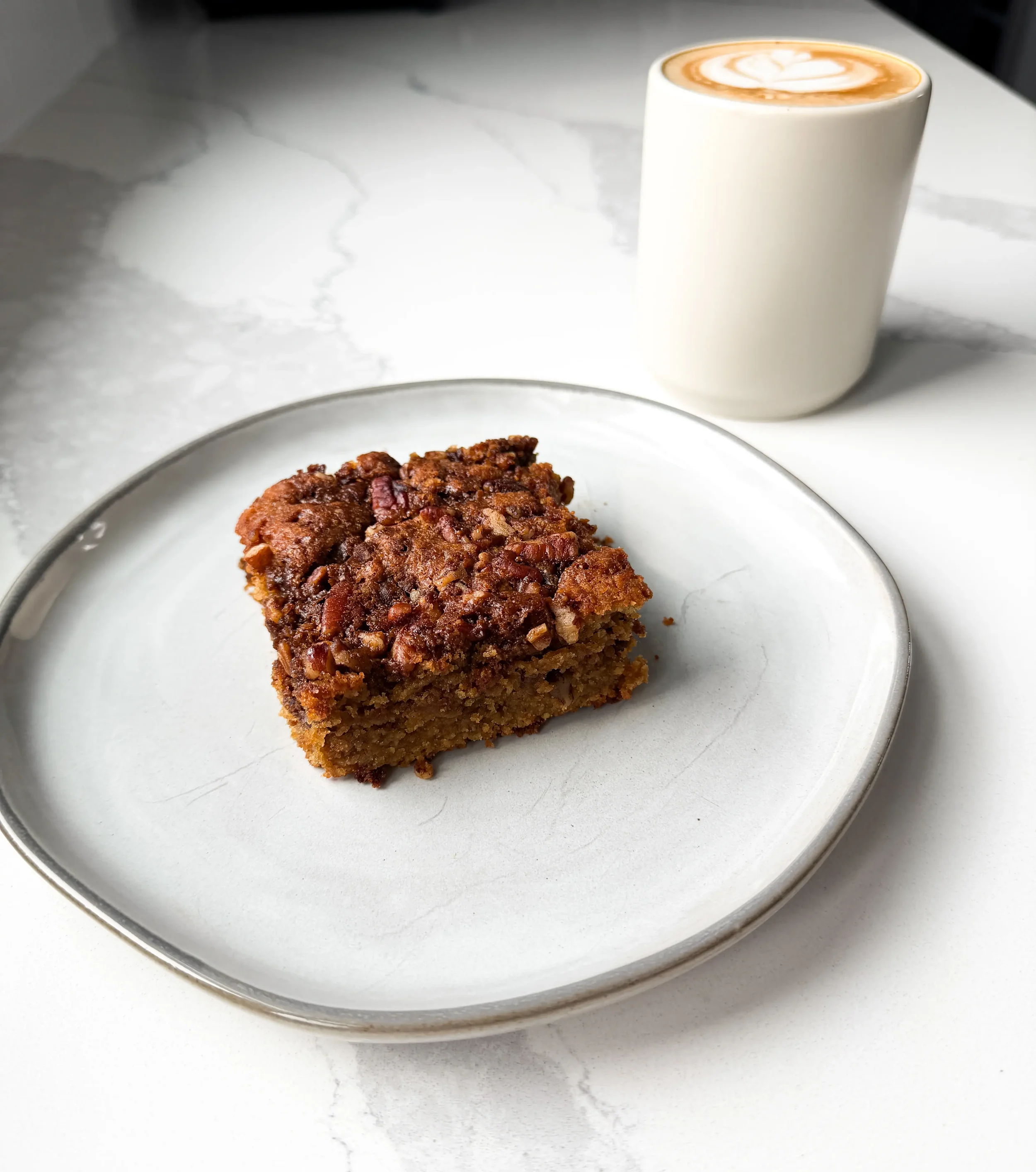
A warm, cozy pecan coffee cake made with sprouted oat flour, Greek yogurt, grass-fed butter, and a maple-sweetened crumble. No seed oils, no refined sugar — just a soft, tender, bakery-style coffee cake perfect for slow Sunday mornings.
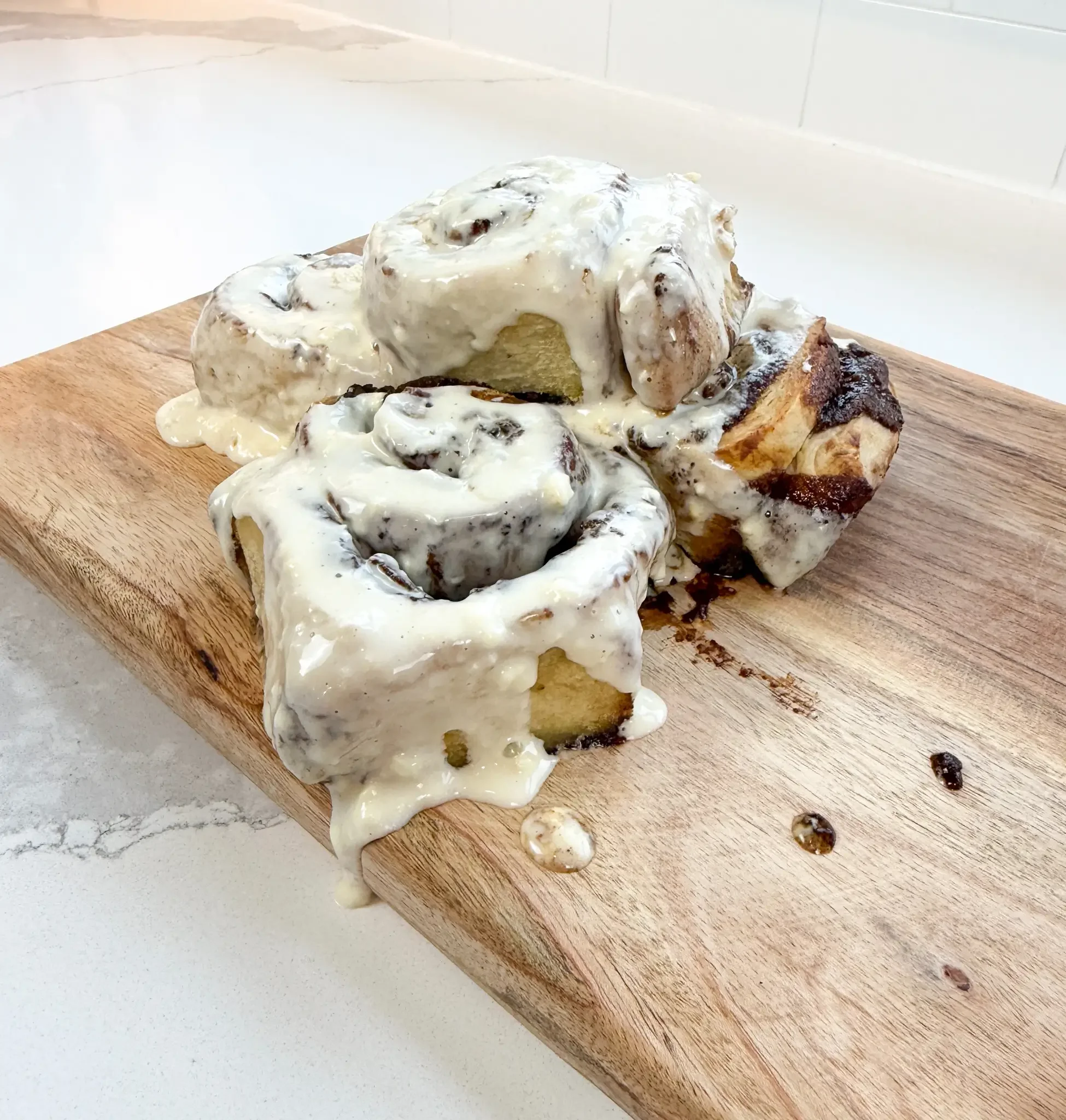
Soft, warm, long-fermented sourdough cinnamon rolls that rise overnight and bake into pillowy, cinnamon-swirled perfection on Christmas morning. Naturally sweetened with honey and coconut sugar, these gooey, cozy rolls have become a true holiday tradition — comforting, nostalgic, and made for slow mornings by the tree.
Real-food meals made with clean ingredients — easy to cook, nourishing, and always non-toxic.
Simple, Evidence-Backed Articles For Your Family
DEEP DIVES
Real-world guides on nutrition, low-tox living, and raising a healthy family — easy to understand, deeply researched, and always actionable.

A new peer-reviewed 2026 UC Davis study tested 74 chips, salad dressings, and mayonnaise products labeled with avocado oil to determine whether they were compositionally consistent with authentic avocado oil. In this article, we break down the findings, explain what they mean for consumers, and include a searchable database showing which products passed and which did not.
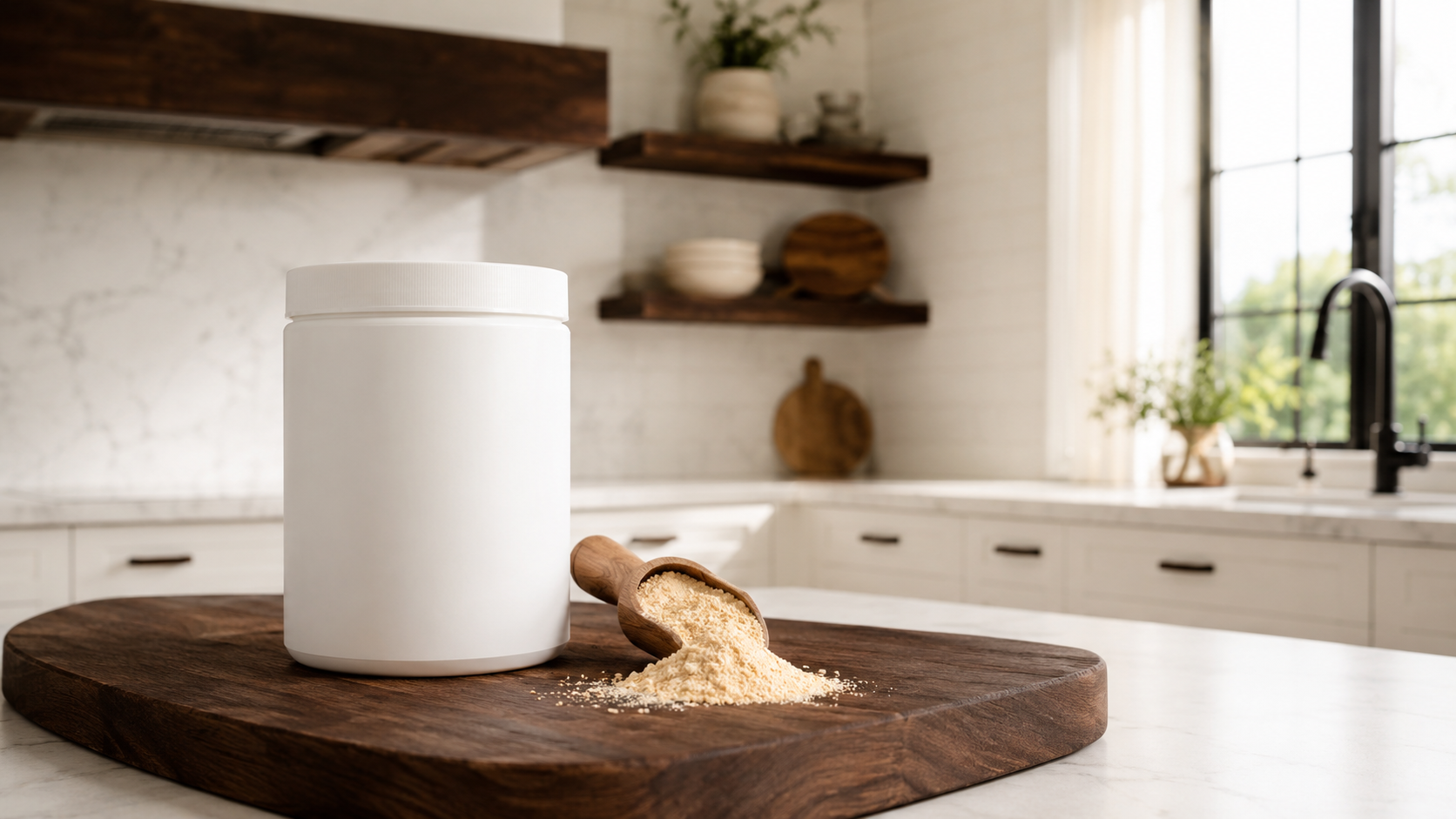
Colostrum isn’t just for newborns. Bovine colostrum contains immunoglobulins, lactoferrin, growth factors, peptides, and other bioactive compounds that may support gut health, immune function, exercise recovery, and skin health in adults. In this guide, we break down what colostrum is, how it works, the top science-backed benefits, and what to look for in a high-quality colostrum supplement.
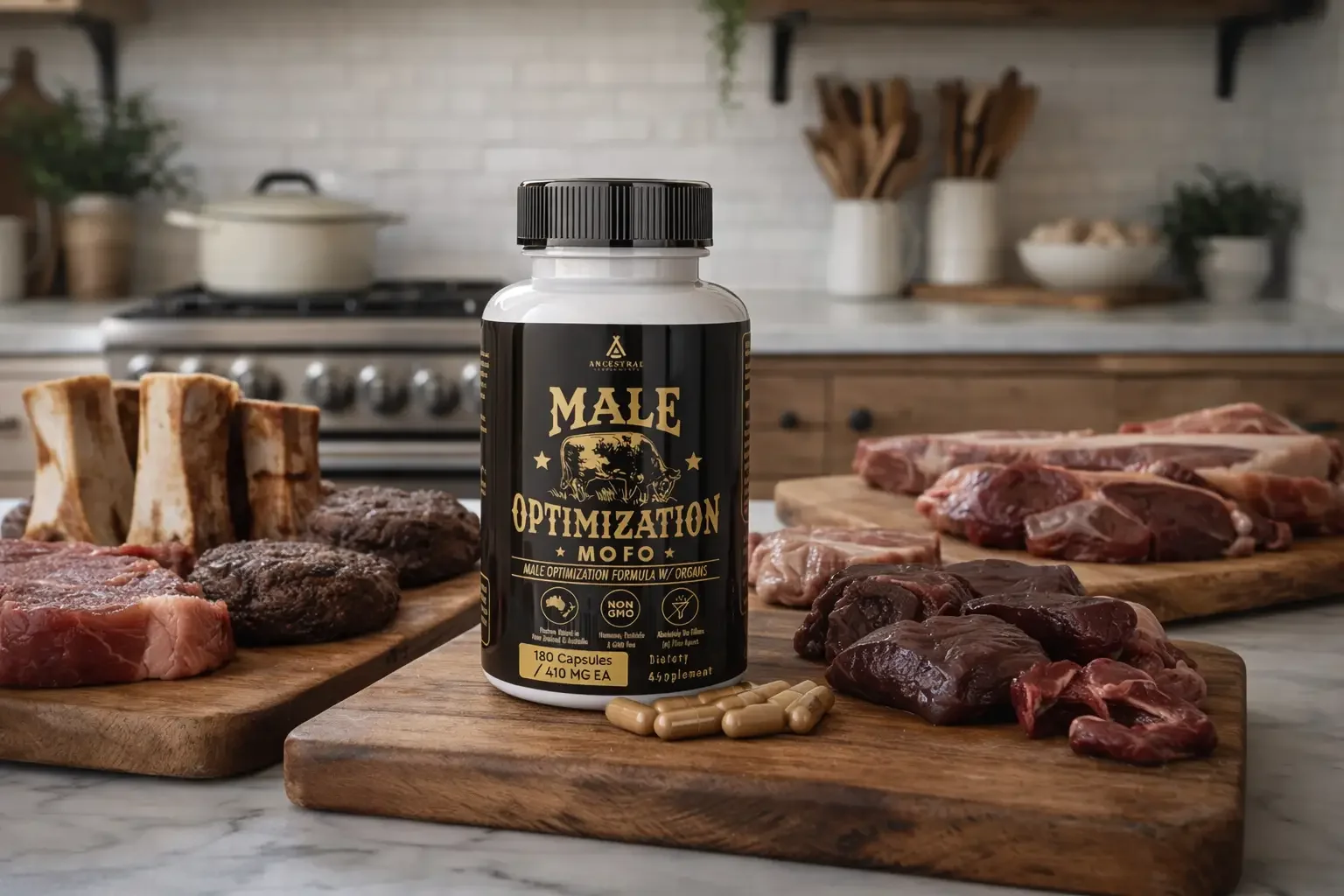
Low testosterone isn’t just a normal part of aging — it’s a modern signal of disrupted sleep, nutrition, stress, and metabolic health. This evidence-based guide breaks down the real, research-backed ways men can support healthy testosterone naturally, without gimmicks or fear-based advice.

The 2025–2030 Dietary Guidelines for Americans represent the most meaningful shift in U.S. nutrition policy in decades. For the first time, federal guidance moves away from nutrient fear and calorie math and back toward real, whole foods — prioritizing protein, full-fat dairy, reduced added sugars, fewer ultra-processed foods, and even acknowledging low-carbohydrate diets for certain populations. This article breaks down what actually changed, why it matters, and where nuance is still needed.

Coffee can be a powerful tool for focus, energy, and long-term health — or a quiet drain on sleep, hormones, and blood sugar. In this guide, I break down what coffee actually does in the body, why people respond so differently, and how to drink it in a way that works for you.

Digestive enzymes are one of the most overlooked keys to gut health. In this guide, I break down what enzymes actually do, why so many people struggle with low levels, and how targeted enzyme support can reduce bloating, improve nutrient absorption, and make meals feel effortless again. Plus, the science behind my go-to pick: MassZymes.

Not all magnesium works the same. Some forms support sleep and stress relief, others boost energy or digestion, and a few barely absorb at all. This science-backed guide explains why magnesium deficiency is so widespread and how to choose the right form for your specific health goals.
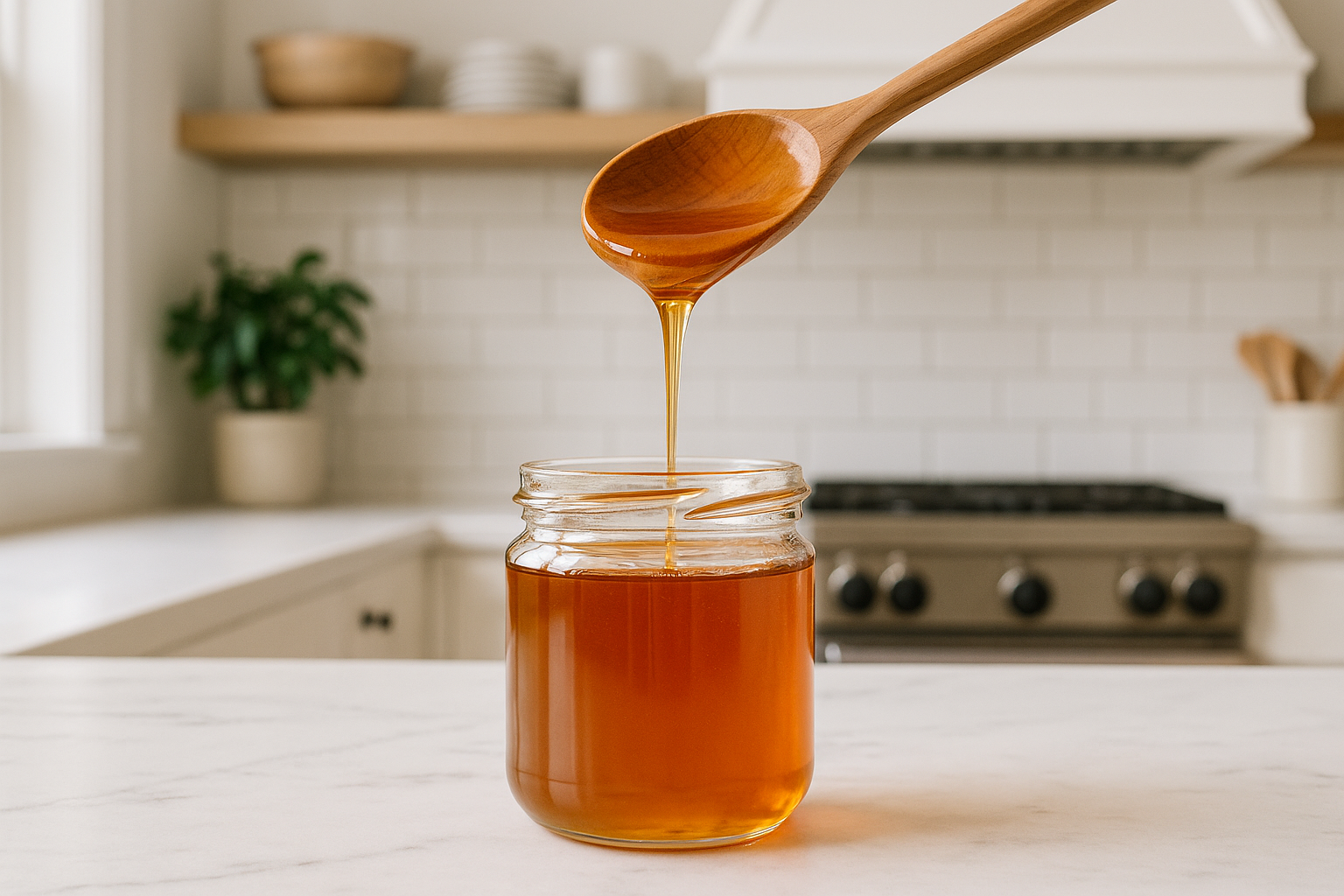
From sore throats and seasonal bugs to skin irritation and gut support, Manuka honey has become a quiet hero in our home. This article breaks down the real science behind its benefits — and how to choose the right UMF strength so you’re not overpaying or overwhelmed.
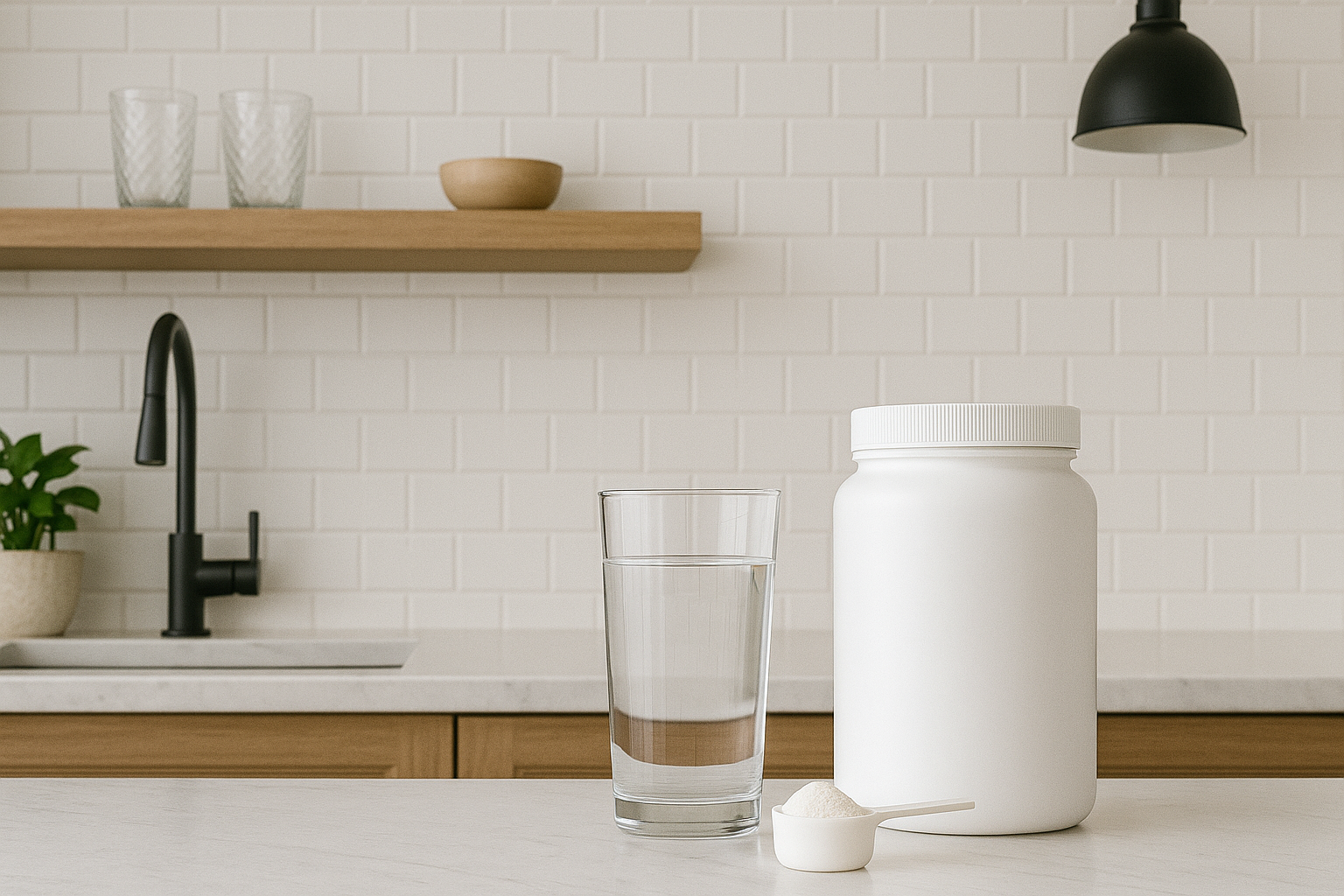
Creatine isn’t just for athletes — it’s a simple, well-studied supplement that supports strength, brain function, energy, and long-term health. Here’s what the research actually shows, how to use it safely, and why I’m selective about the form I take.
WATCH
Simple, Research-Backed Health Videos
Educational videos on real-food nutrition, low-tox living, and family wellness — easy to follow, deeply researched, and always actionable.
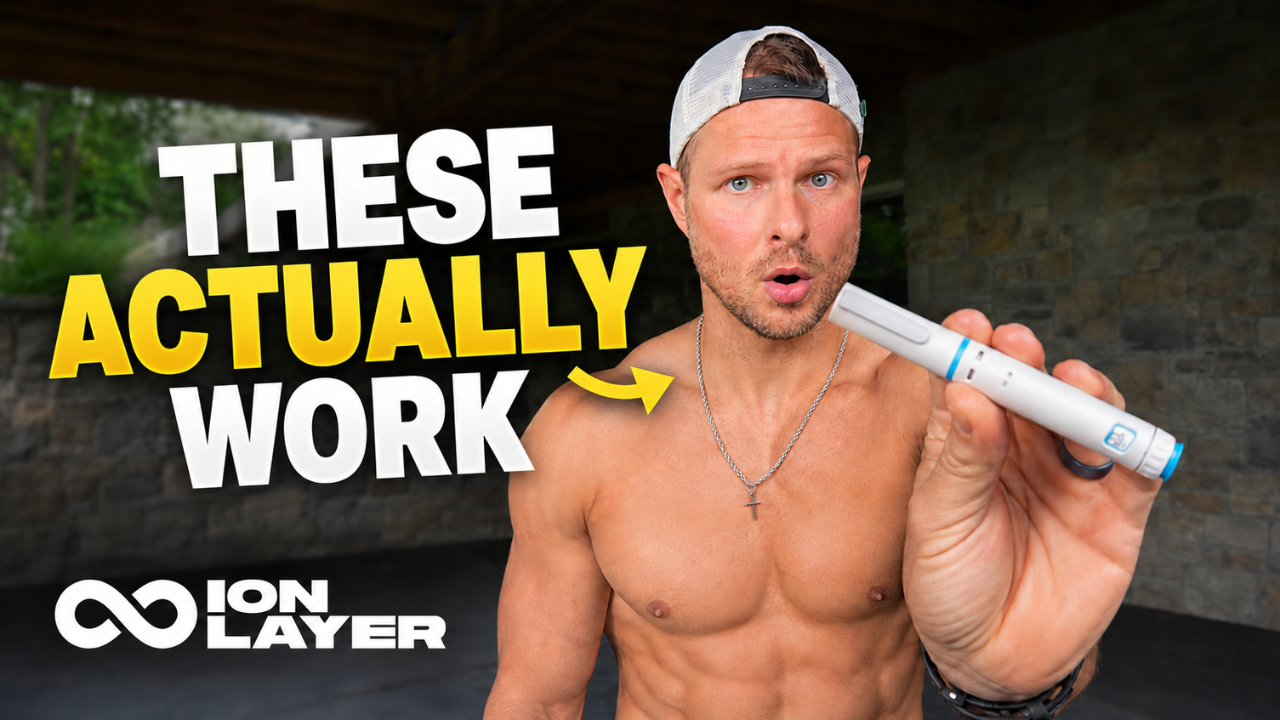
Injectable peptides have become one of the fastest-growing categories in health, recovery, and longevity. In this guide, I break down the science behind sermorelin, NAD+, and glutathione, discuss the potential benefits and drawbacks of peptide therapy, and share my personal experience using Ion Layer's physician-guided injectable pens.

After using the Sweat Tent sauna for over 2 years and 200+ sessions, here’s my honest long-term review. I cover setup, heat quality, durability, recovery benefits, contrast therapy, pros and cons, and whether it’s actually worth buying compared to more expensive traditional saunas.

Most people focus on food, water, and air quality—but overlook one of the most powerful inputs affecting their health: light. This guide breaks down what circadian lighting is, how it works, and how your home lighting can influence your sleep, energy, mood, and overall well-being.
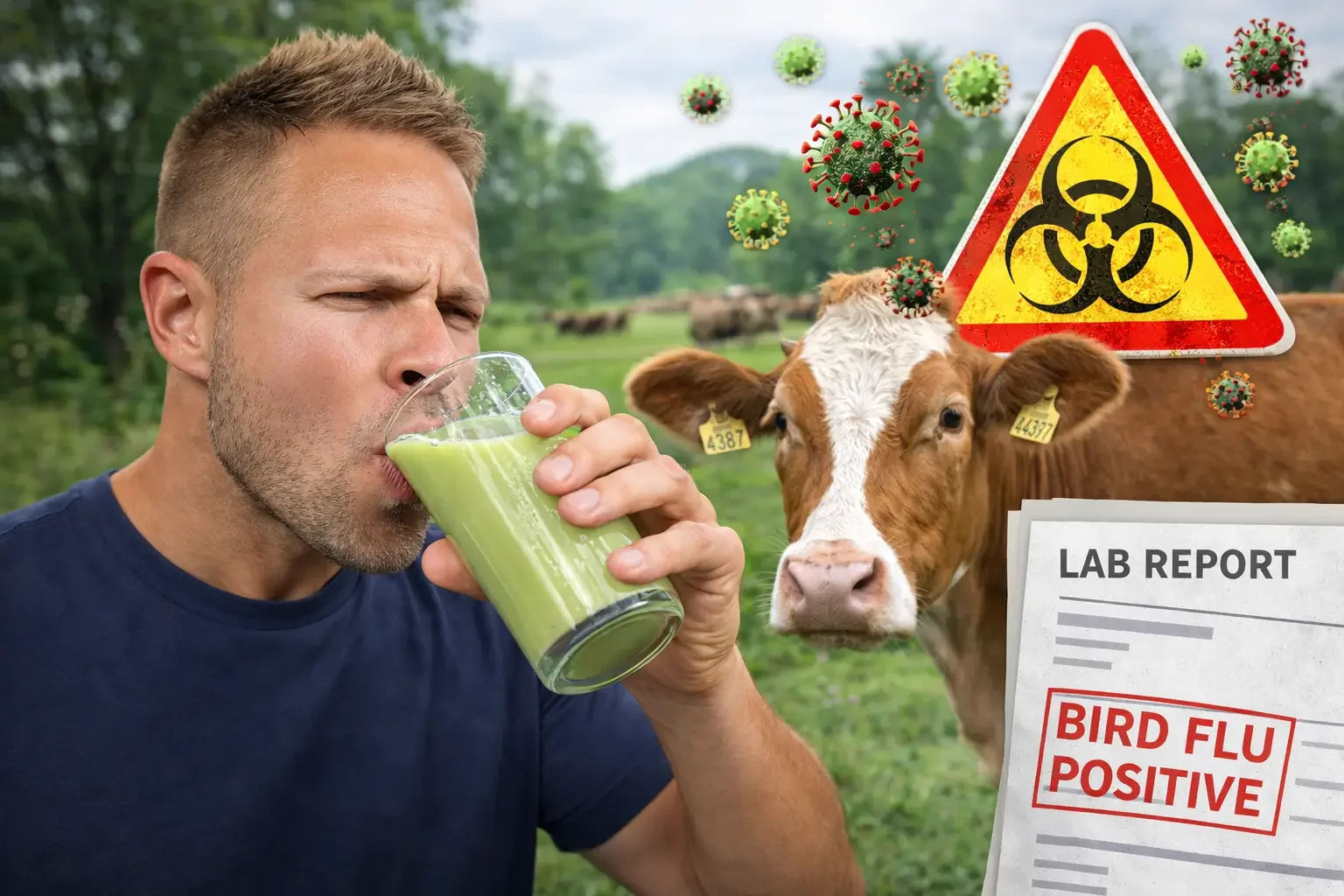
Bird flu headlines have raised concerns about raw milk safety, but the evidence tells a more nuanced story. This article breaks down how H5N1 spreads, what CDC and FDA data show, and whether drinking raw milk actually poses a risk to humans.
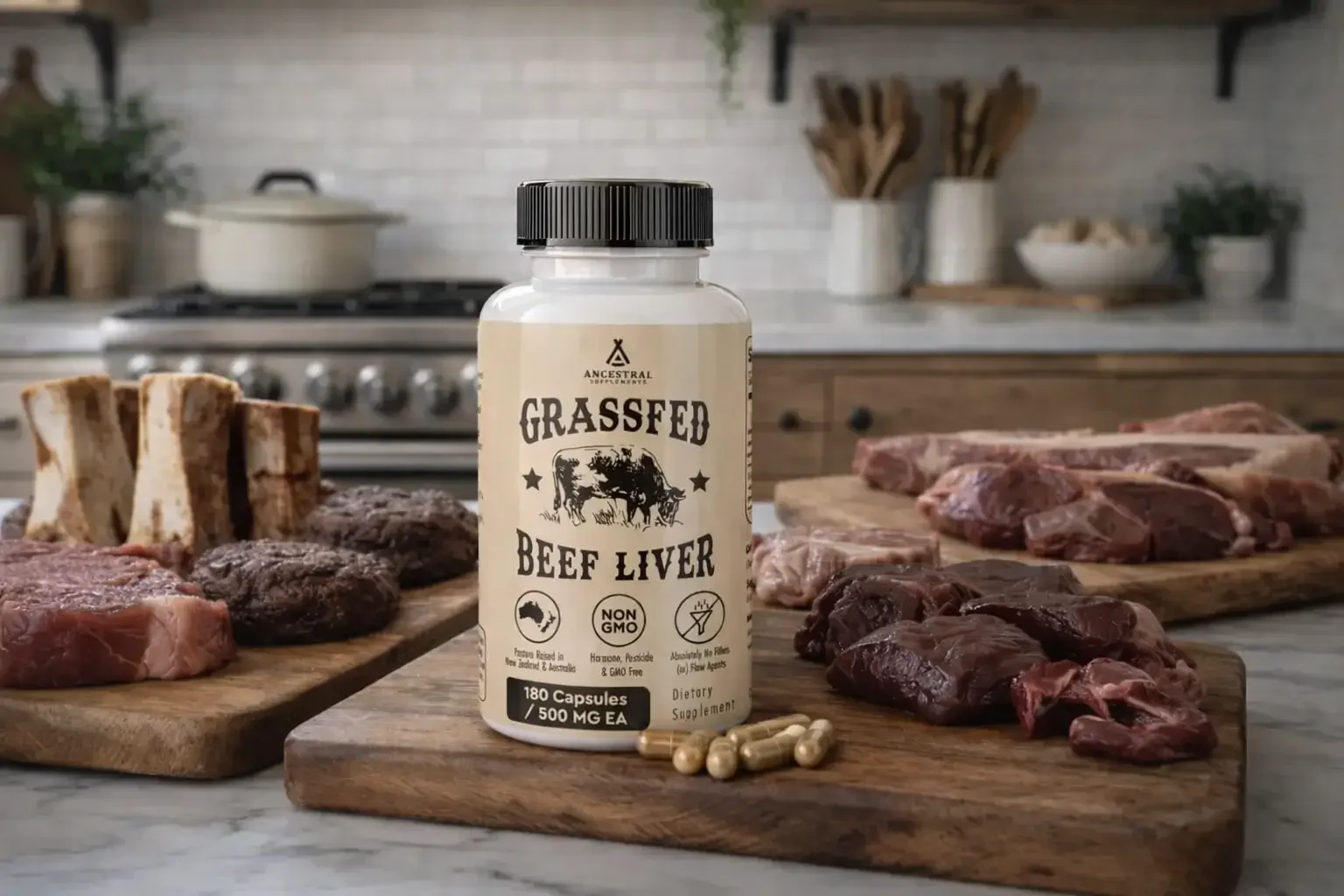
Beef liver is one of the most nutrient-dense foods on the planet and may help support natural energy levels. In this article, we break down eight science-backed reasons beef liver supports energy production — including heme iron, B vitamins, CoQ10, choline, and other key nutrients involved in metabolism, oxygen transport, and brain function.
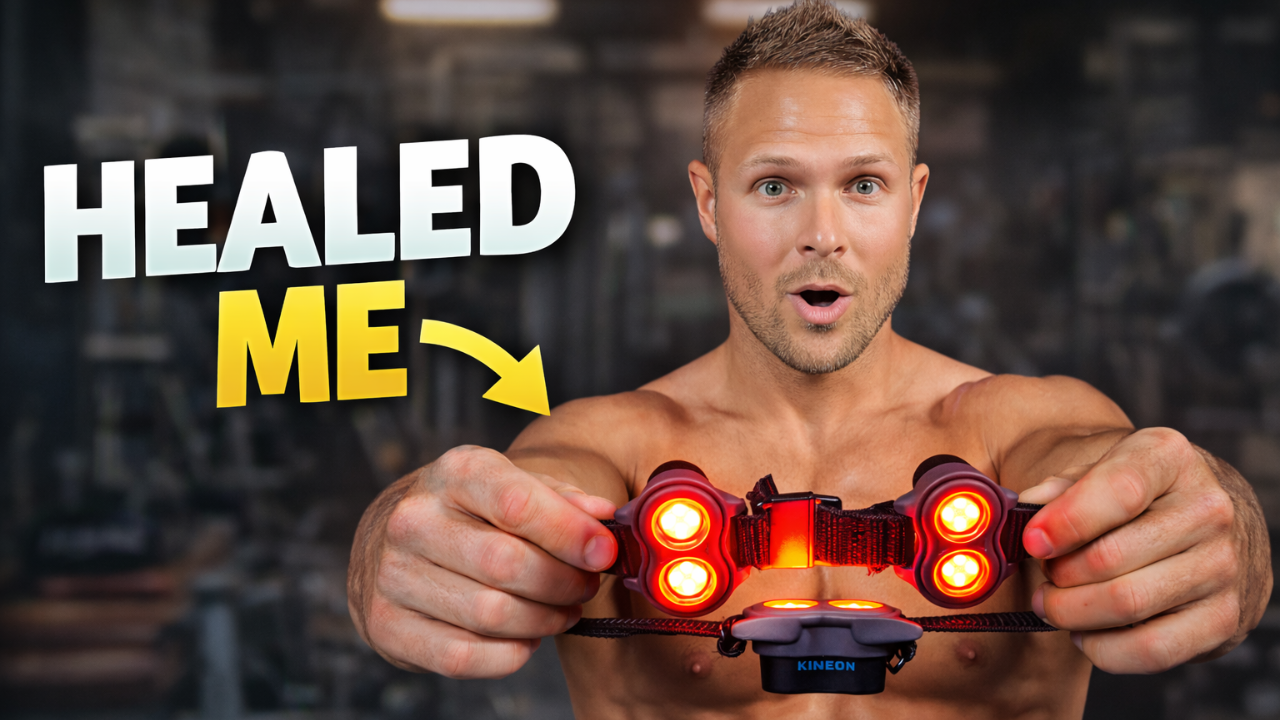
I tested the Kineon Move+ Pro for several months to see if targeted red light therapy actually supports joint pain and recovery. In this science-based review, I break down the 660nm and 808nm wavelengths, pulse wave technology, LEDs vs lasers, and who this device is best for. Here’s what I noticed — and what the research says.
Dairy is one of the most controversial foods in modern nutrition. In this evidence-based deep dive, we examine whether humans are actually meant to consume cow’s milk, how dairy has been used throughout human history, what lactose intolerance really means, and why raw and traditionally produced dairy behaves very differently than modern processed milk.
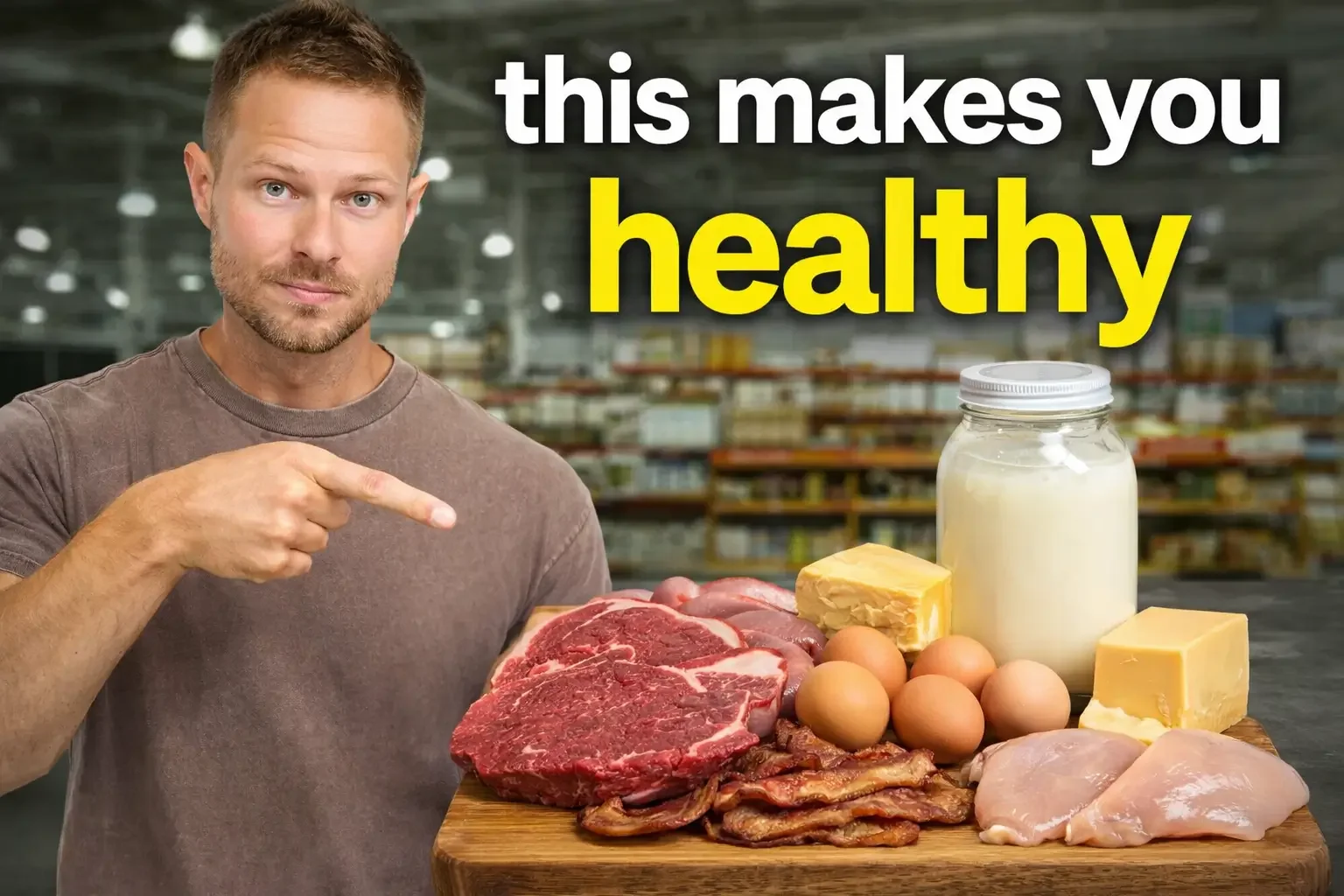
Modern nutrition advice changes every decade — but human biology hasn’t. Across continents, climates, and thousands of years, the world’s healthiest cultures shared the same foundational foods. In this article, we explore the foods all thriving cultures had in common, why they worked so well with human physiology, and how modern diets drifted away from these principles — especially with the rise of ultra-processed foods and seed oils.

Canola oil is widely marketed as a heart-healthy fat, yet its origins as an industrial lubricant and extreme processing raise serious concerns. This evidence-based breakdown explores how canola oil is made, why it lowers LDL cholesterol, what early research actually found, and whether oxidation—not cholesterol alone—may be the real driver of cardiovascular and metabolic disease.
Seed oils are often promoted as heart-healthy because they lower LDL cholesterol — but that’s only part of the story. This evidence-based breakdown explores how seed oils contribute to oxidation, toxic byproducts, and long-term metabolic stress, and why focusing on LDL alone may miss the real drivers of chronic disease.
After sleeping on the Naturepedic EOS Trilux mattress for over a year, I’m sharing my honest, unsponsored experience. This in-depth review covers comfort, customization, materials, off-gassing, certifications, and whether a non-toxic mattress is actually worth the investment for better sleep and long-term health.
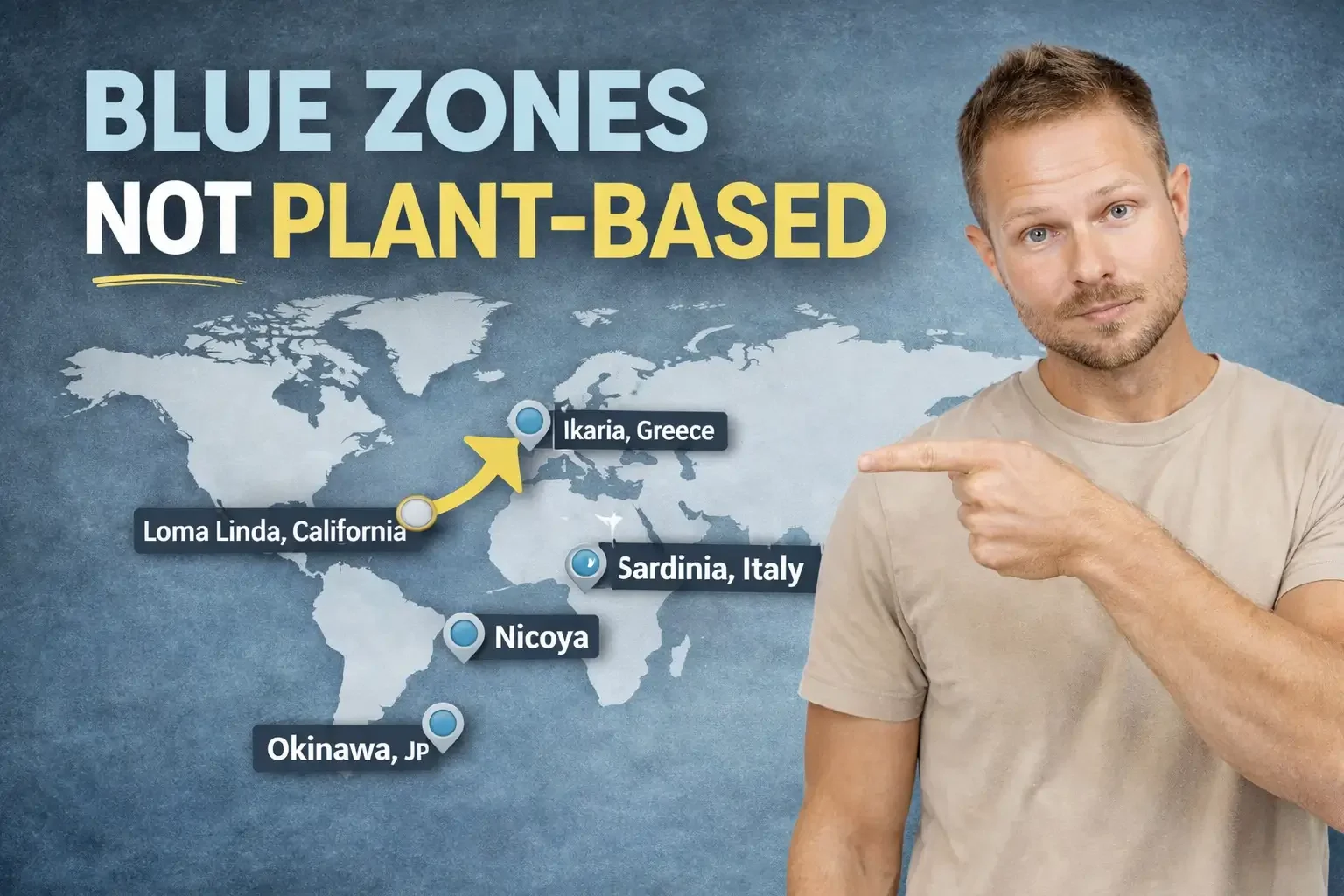
Blue Zones are often used as proof that humans thrive on a plant-based diet — but the real story is far more nuanced. When you look at anthropology, traditional food prep, and the actual diets of long-lived cultures, you’ll find meat, dairy, and properly prepared plants all play a role. Here’s what the Blue Zones really ate — and what we should actually learn from them.
Whole30 recently announced that seed oils are now permitted in their program, claiming that “the science has changed.” This article takes a deep dive into the research Whole30 cited—and the science they left out. We examine why focusing only on LDL cholesterol and short-term inflammation markers misses the bigger picture, how linoleic acid and oxidized fats behave in the human body, and why long-term exposure to seed oils may carry metabolic and cardiovascular risks that deserve serious consideration.
Eggs have been demonized for decades — blamed for high cholesterol, clogged arteries, and even “dangerous” compounds like TMAO. But the science tells a very different story. Here’s what decades of research (and updated dietary guidelines) actually say about eggs, cholesterol, saturated fat, and why egg yolks may be one of the most nutrient-dense foods you can eat.
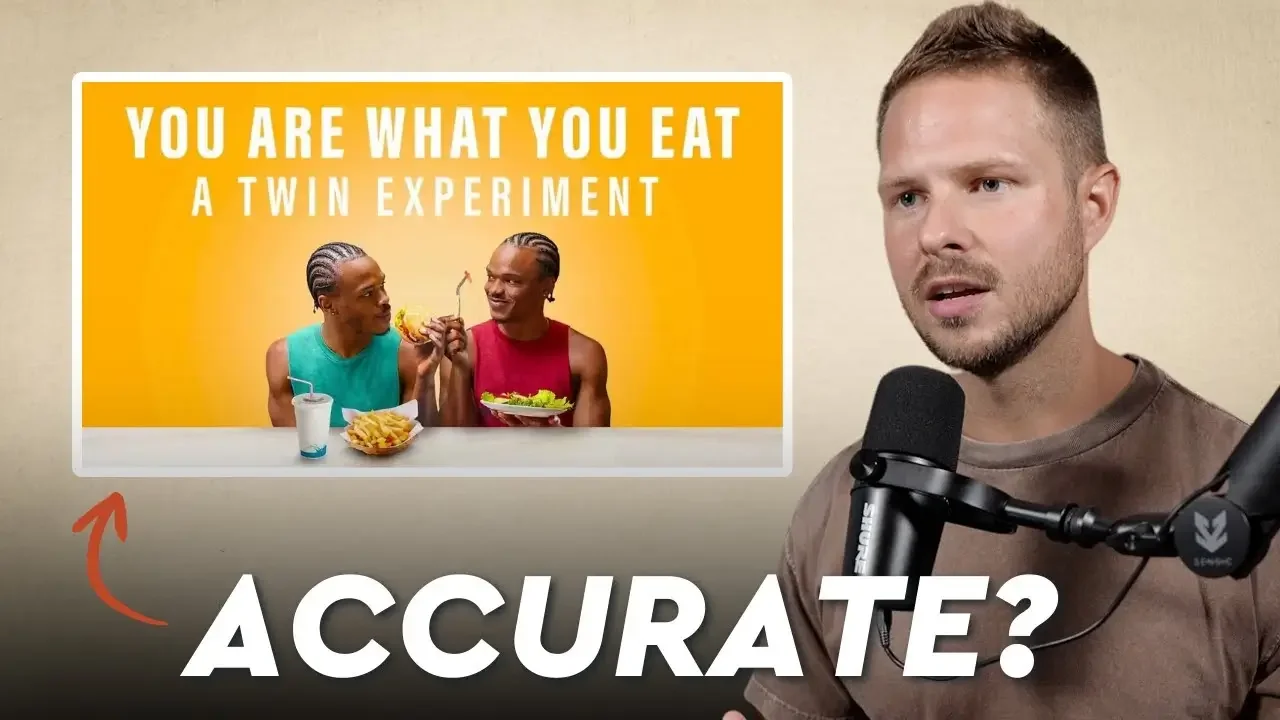
Netflix’s You Are What You Eat: A Twin Experiment claims a “healthy vegan” diet outperforms an omnivorous diet — but the real story is more nuanced. In this evidence-based breakdown, I walk through what the Stanford identical-twin trial actually measured (and what it didn’t), how to interpret LDL vs HDL/triglycerides, and why short-term results don’t automatically translate to long-term health outcomes.

Many cases of PCOS and infertility may be driven less by “hormone imbalance” and more by underlying metabolic stress. In this article, we explore how diet, lifestyle, and environmental signals influence fertility — featuring powerful stories and insights from Dr. Ken Berry, Neisha Salas-Berry, and Meg Connolly.
Fasting isn’t a trend — it’s a biological rhythm built into human physiology. This article breaks down 10 science-backed benefits of fasting, including effects on inflammation, metabolism, brain health, gut function, and cellular repair, plus who should and shouldn’t fast.

A science-backed breakdown of the most common fasting myths — from starvation mode and muscle loss to blood sugar crashes and nutrient deficiencies — and what human physiology and research actually show.

A simple, science-backed skincare routine built around healing the skin barrier, supporting collagen, and avoiding over-treatment. This is the exact routine I’ve used for years — including cleansing, microneedling, clay masks, red light therapy, and the Alitura products that helped my skin recover when it needed it most.
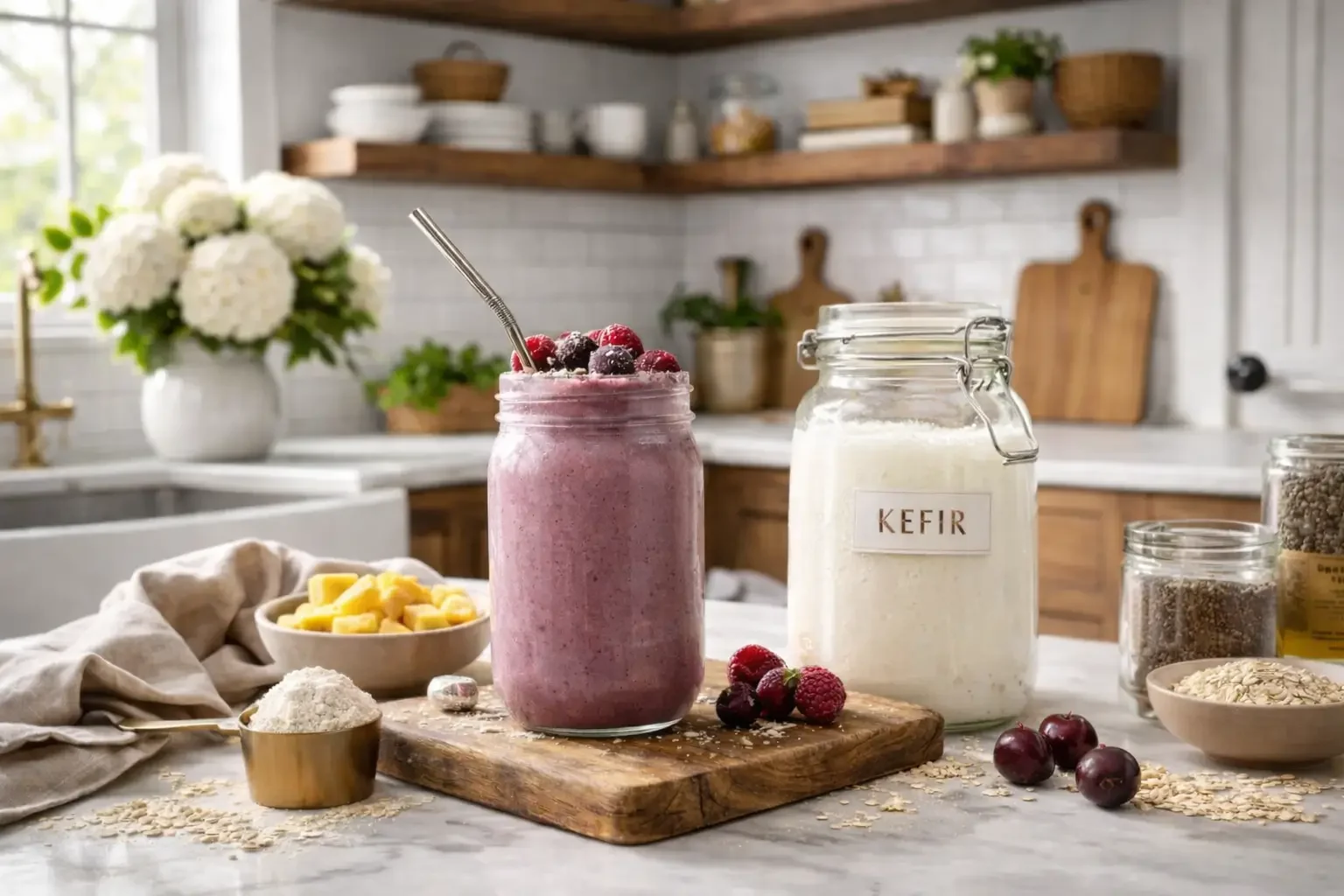
A simple, science-informed post-workout smoothie built with kefir, dark cherries, mango, and a clean bone broth protein to support muscle recovery, gut health, and steady energy throughout the day.

Most coffee makers introduce unnecessary exposure to mold, plastics, and low-quality materials — often without us realizing it. In this article, I break down the science behind common coffee setups and show how I built a healthier, non-toxic coffee bar using simple, traditional brewing methods.

A beginner-friendly guide to baking real sourdough at home. This step-by-step tutorial walks through mixing, fermentation, shaping, cold proofing, and baking — with science-backed context on why traditional sourdough is different from modern bread.
Raw milk is one of the most debated “real food” topics online. In this video blog, I break down what the research and public health data actually show about risk, why some people tolerate raw dairy better than pasteurized milk, and how modern standards (like RAWMI-certified farms) are changing the safety conversation. If you’ve only heard fear-based headlines, this is the evidence-based context most people miss.
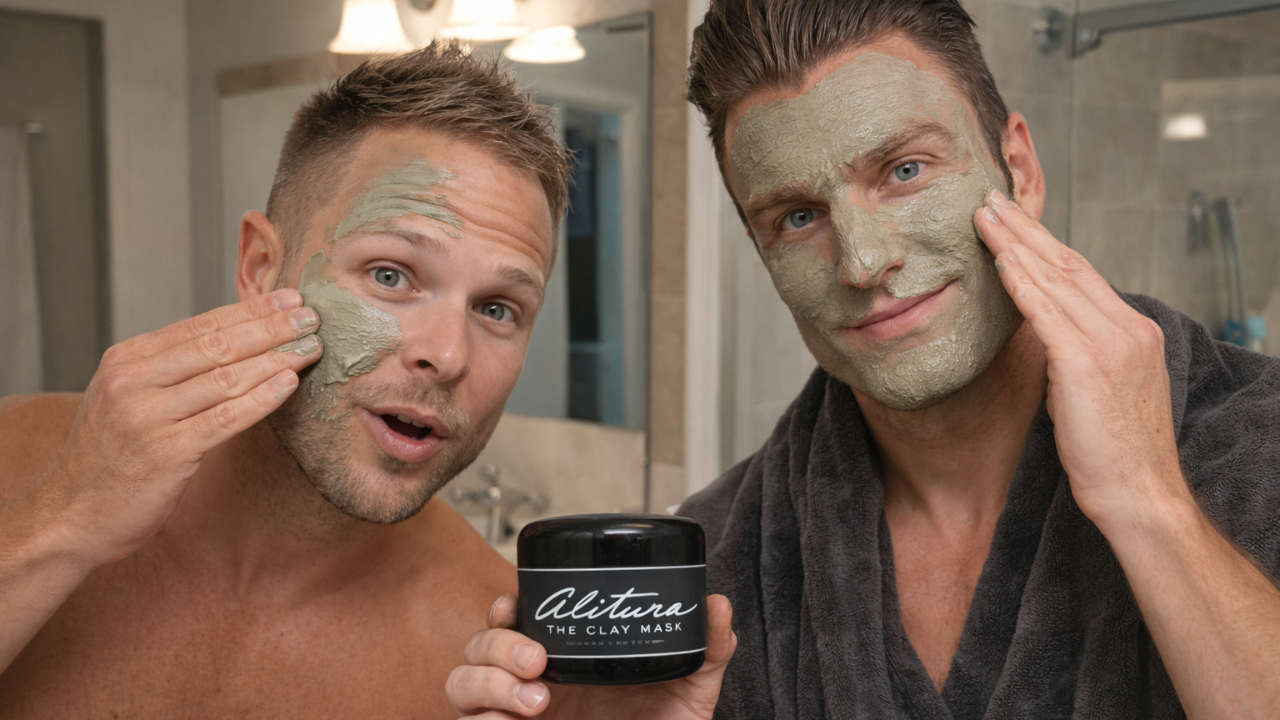
If your skin still isn’t healing despite using “clean” skincare, sunscreen, and a solid routine, the problem may not be the products. This article breaks down the real drivers of skin inflammation, toxic exposure, sun habits, and nutrient density — and what actually supports long-term skin health from the inside out.
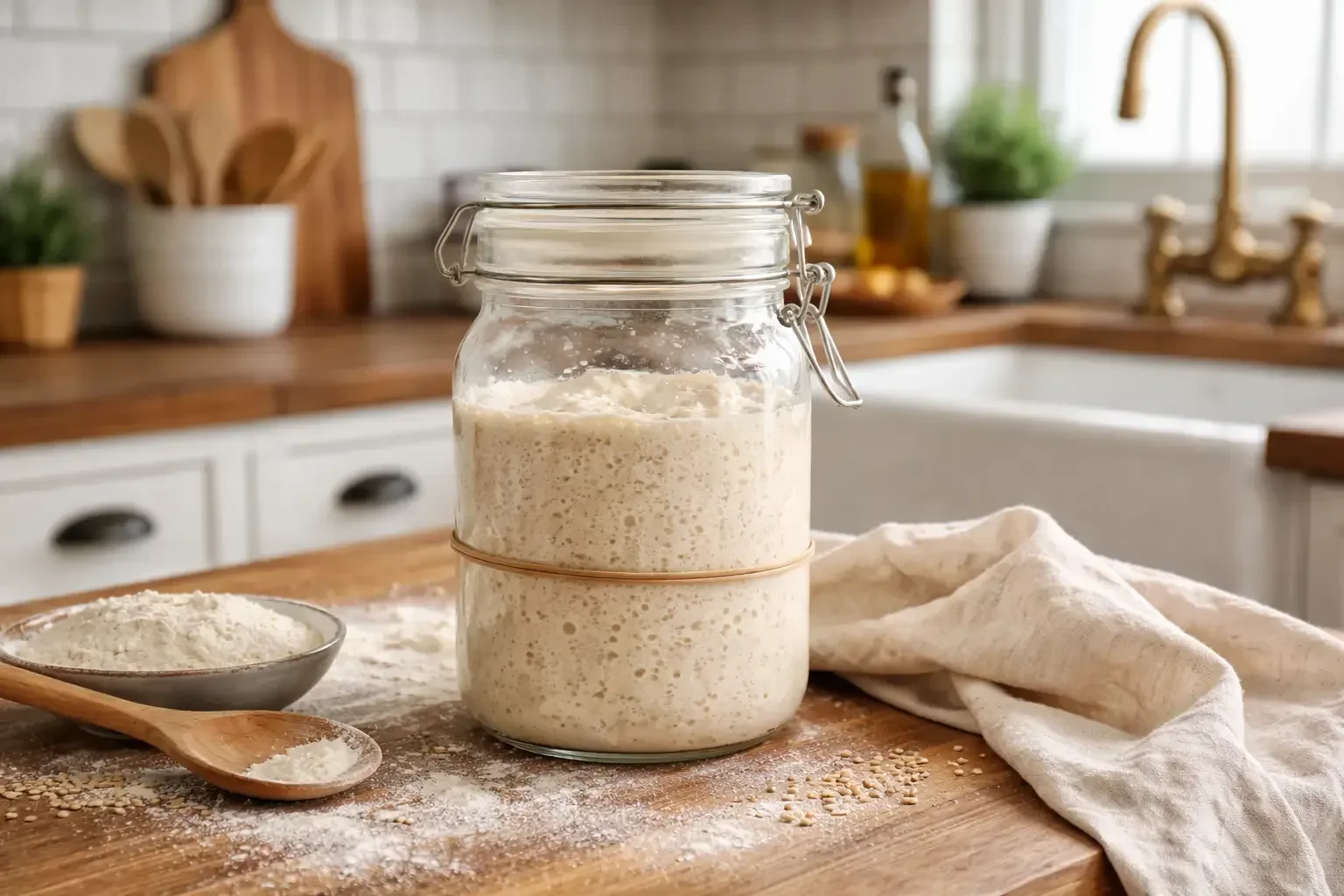
Sourdough isn’t a trend — it’s how bread was traditionally made. This beginner-friendly guide explains why fermentation matters and walks you through a simple, step-by-step method to build your own sourdough starter from scratch.

A practical, room-by-room guide to building a healthier home—cleaner air, cleaner water, safer cookware, better lighting, and non-toxic swaps that actually matter.

Traveling with a newborn doesn’t have to derail your health. Here’s how we stay grounded on the road—clean air and water, real food, movement, sleep, and realistic non-toxic habits that actually work.

Modern nutrition advice is fragmented and often disconnected from human biology. In this in-depth conversation with Dr. Ken Berry and Neisha Salas-Berry, we explore ancestral eating, metabolic health, fertility, and why ultra-processed foods — not animal foods — may be driving chronic disease. Includes the full video and transcript.
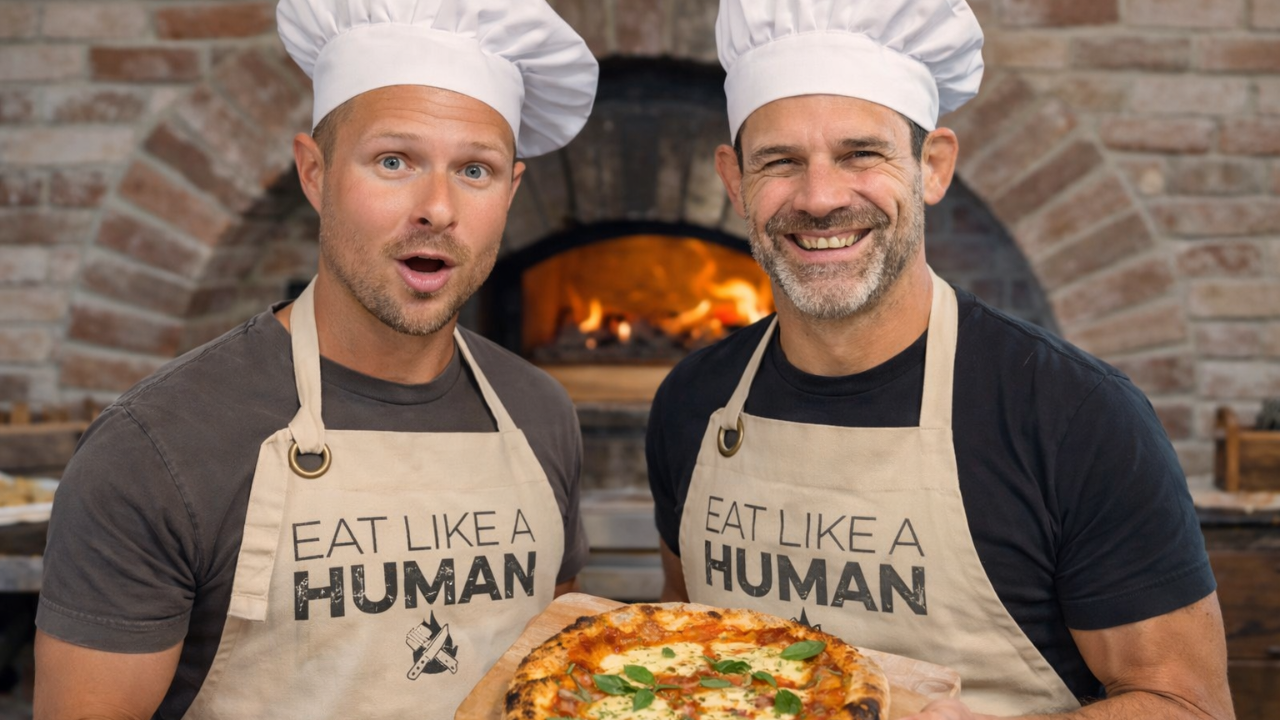
Modern nutrition focuses on what to eat—but rarely asks how humans evolved to eat. In this conversation with Dr. Bill Schindler, we explore ancestral food processing, fermentation, animal foods, and what modern diets have forgotten.
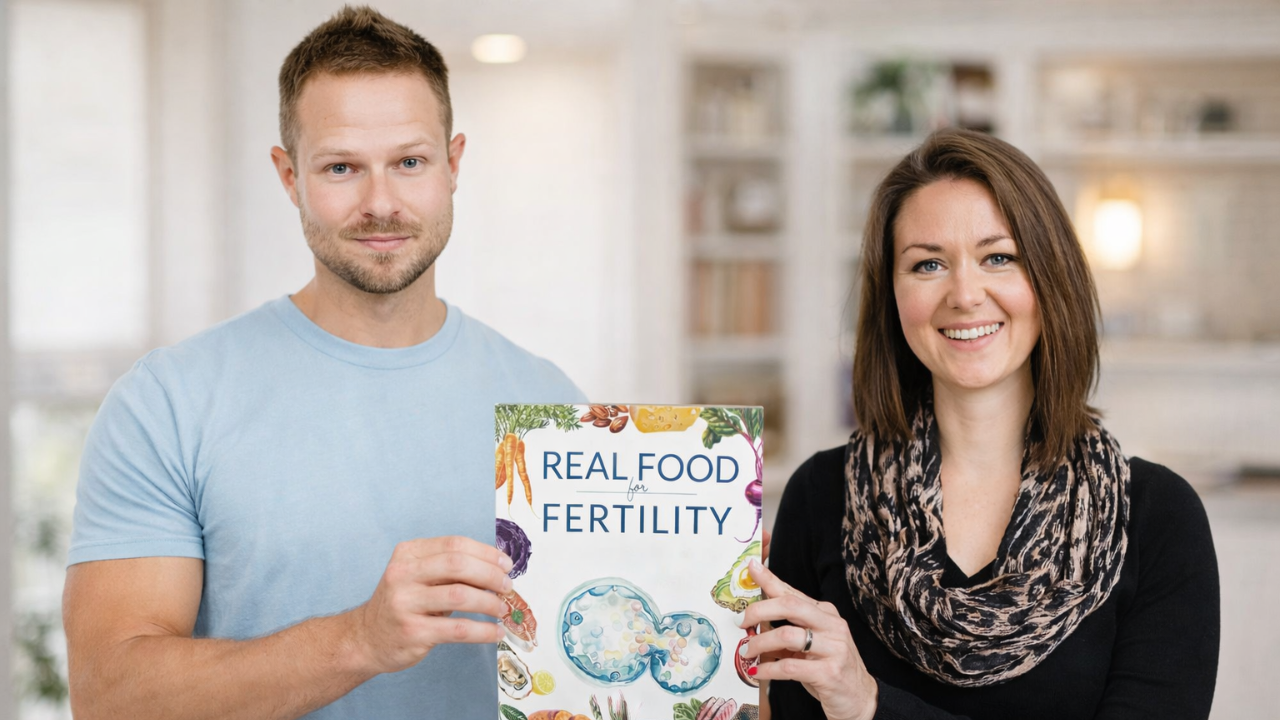
A deep, science-backed conversation with registered dietitian Lily Nichols on fertility nutrition, protein and fat intake, micronutrients, ultra-processed foods, and why modern dietary patterns may be working against conception. This article includes the full video, complete transcript, and practical takeaways for preconception health.
A soft, naturally sweetened smash cake made with bananas, applesauce, sprouted oat flour, and creamy cashew butter. No added sugar, no seed oils, and topped with a protein-rich Greek yogurt frosting—perfect for baby's first birthday.