Is Raw Milk Actually Dangerous? A Science-Based Look at the Data, the History, and the Biology
RAW MILK — DEEP DIVE
Is Raw Milk Actually Dangerous? What the Science Really Shows
One of the most thorough, data-driven looks at raw milk to date — grounded in real-world evidence and modern dairy practices.

Author
Craig McCloskey
Certified Nutritionist
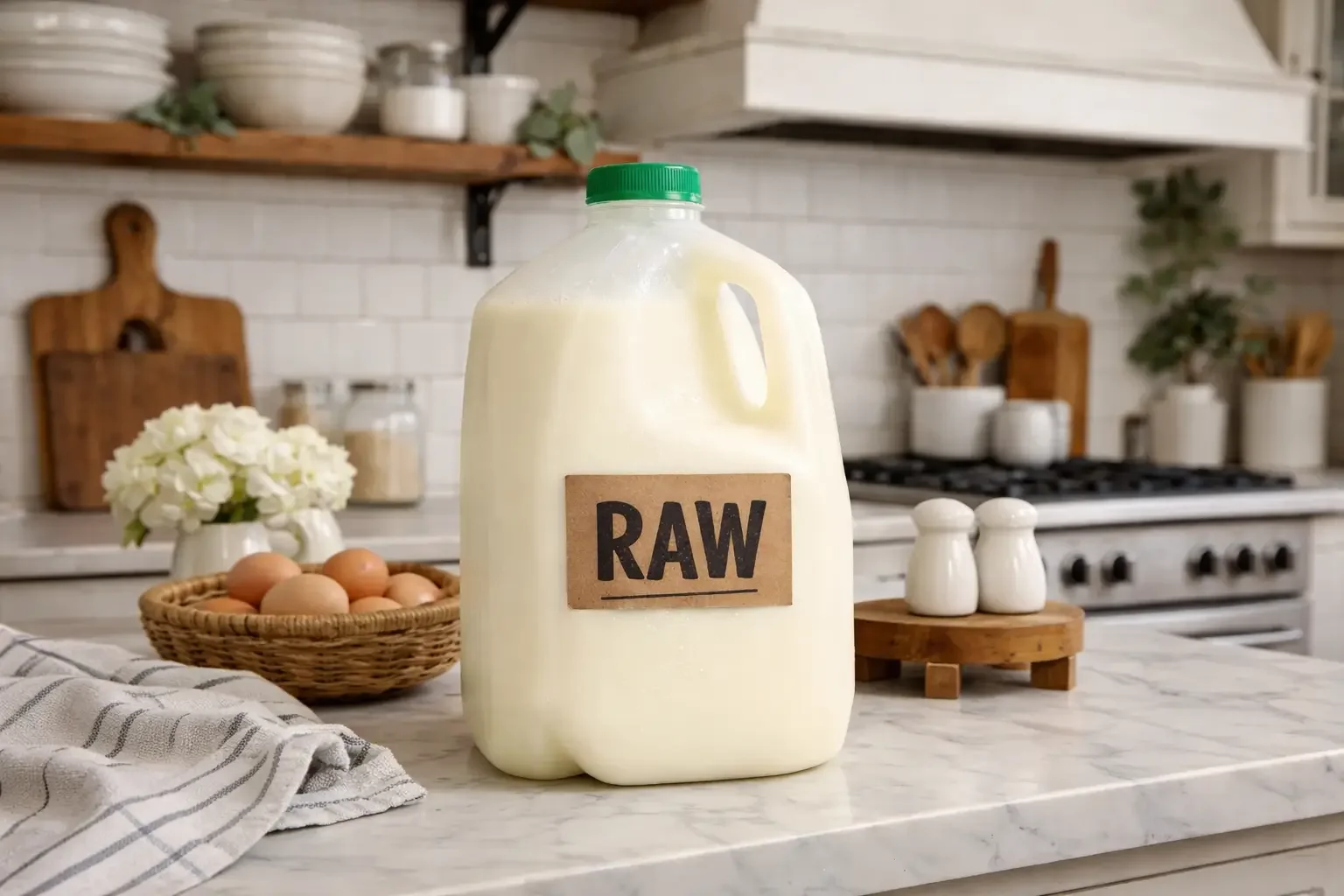
Raw milk has become one of the most controversial foods in modern nutrition.
Depending on who you ask, it is either a dangerous relic of the past or a deeply misunderstood whole food that humans have consumed for thousands of years. The conversation is often emotional, headline-driven, and stripped of nuance — which is exactly why it deserves a closer, data-driven examination.
I’ve been drinking raw milk regularly for close to a decade. I’m lactose intolerant. I don’t tolerate pasteurized milk well. And yet, raw milk has never caused digestive issues, skin problems, or illness for me. That personal experience alone doesn’t prove anything — but it does raise an important question:
If raw milk is truly as dangerous as it’s often portrayed, how do millions of people consume it regularly without issue?
This article is not an argument for recklessness. It’s an examination of what the data actually shows — and where common assumptions about raw milk may not align with reality.
The First Question: Is Raw Milk Actually a High-Risk Food?
Public health messaging around raw milk often frames it as uniquely dangerous. But when you examine outbreak data in context, that framing starts to fall apart.
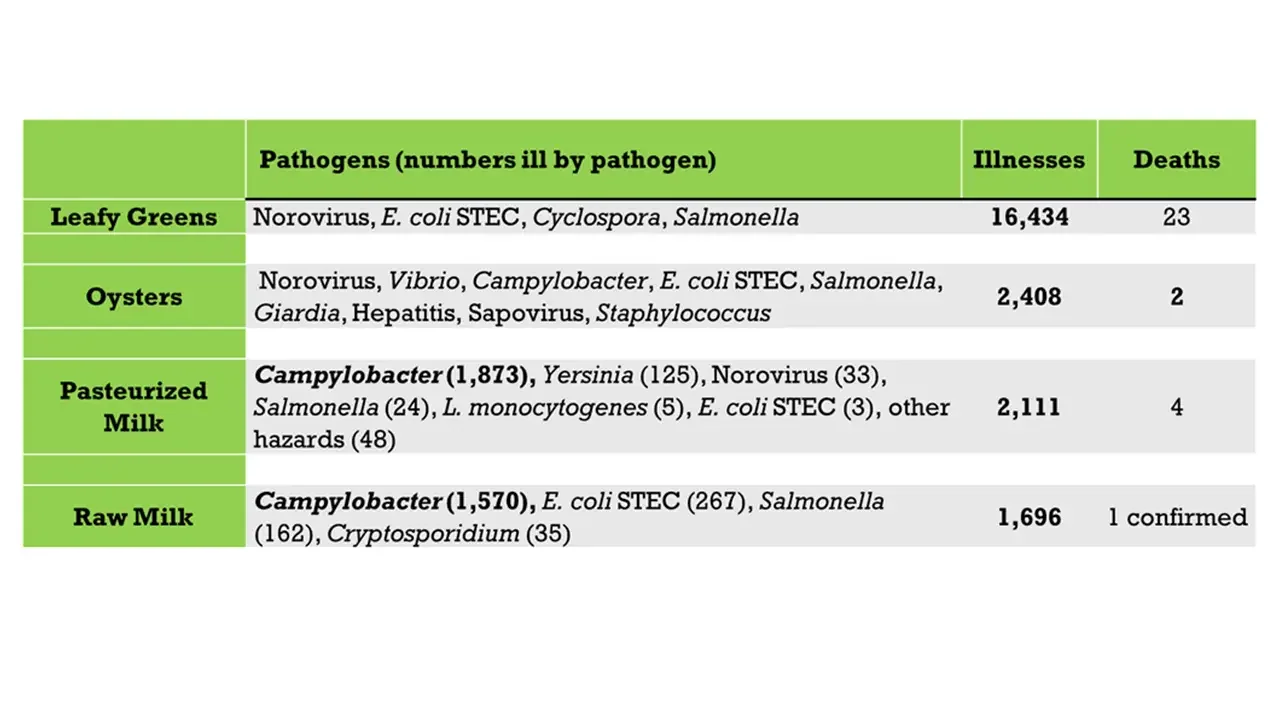
What emerges from this analysis is surprising to many people.
The foods associated with the highest burden of foodborne illness during this period were not raw milk. They were leafy greens, fruits and vegetables, oysters, peanut butter, and pasteurized dairy products. These foods were responsible for the majority of illnesses and fatalities.
Raw milk, by contrast, appeared at the very bottom of the list.
Even more striking is that this analysis already accounts for the fact that foods like produce and pasteurized milk are consumed far more frequently than raw milk. Despite that adjustment, raw milk remained among the lowest contributors to foodborne illness.
When deaths were examined specifically, the pattern held. Leafy greens ranked first. Pasteurized dairy ranked above raw dairy. Raw milk was associated with a single confirmed death over the fifteen-year period — and that case involved an individual with severe underlying illness and immune compromise.
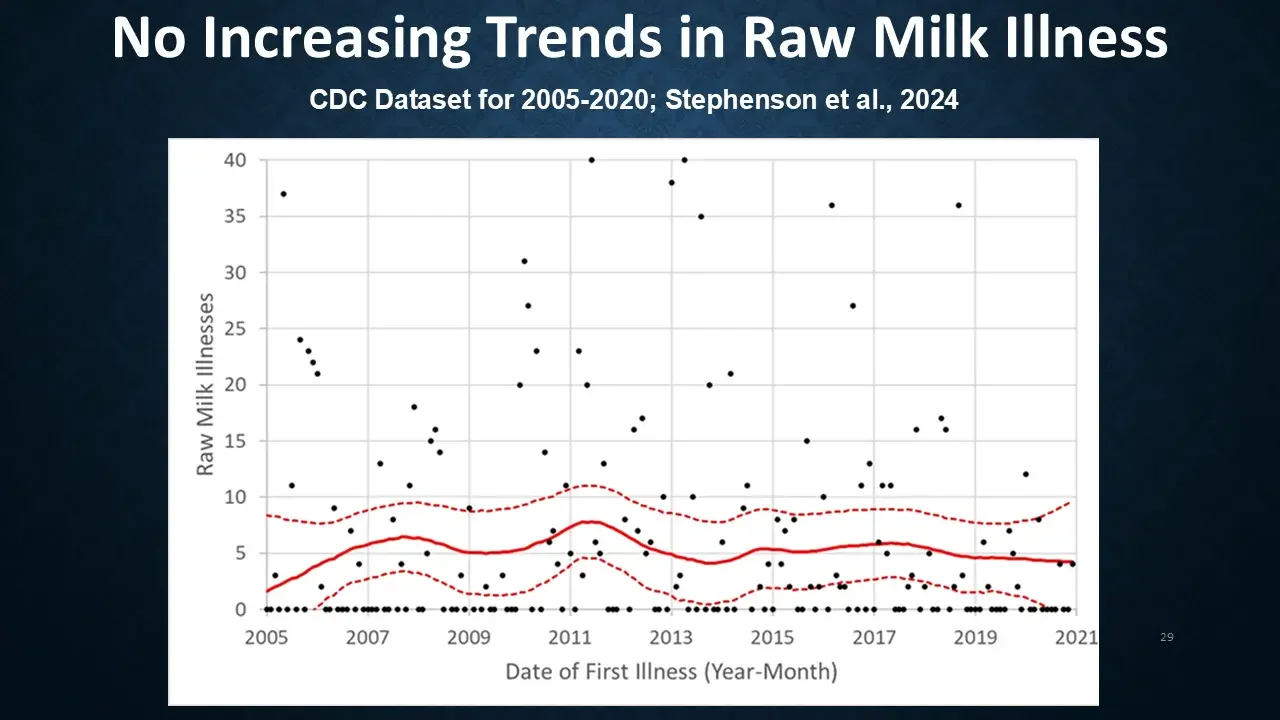
If raw milk were inherently dangerous, we would expect to see a different pattern. We would expect illness rates to rise as access expands, and fatalities to scale with consumption. The data simply does not show that.
In fact, the CDC explicitly noted that there was no increasing trend in raw milk illnesses during this period — either nationally or within individual states — even after legislation expanded access.
Simply put, during this fifteen-year period, raw milk sales went up, and raw milk illnesses went down.
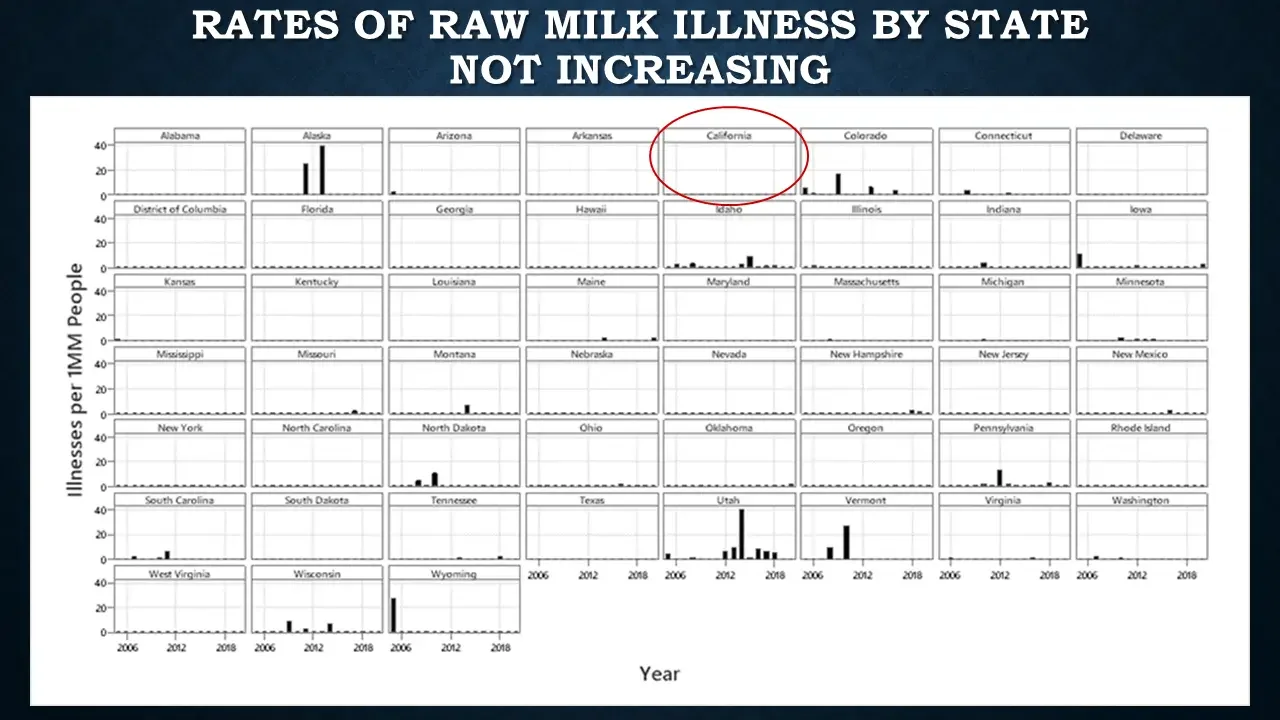
This immediately reframes the conversation. Raw milk may carry risk, but it is not uniquely dangerous when compared to many everyday foods that are rarely questioned.
Pasteurized Milk: A Different Risk Profile Than Most People Realize
Another key piece of this discussion is often overlooked: most people who believe they “don’t tolerate dairy” are reacting to pasteurized, homogenized milk — not dairy itself.
This matters more than most people realize.
Milk is not just a delivery vehicle for calcium and vitamin D. It is a biologically active food designed to support growth, immune development, and digestion. When you strip away its living components, you are left with something that behaves very differently in the body.
This distinction is critical. The conversation is often framed as “raw milk versus safety,” when in reality it should be framed as “different forms of milk with different biological effects.”
“Heat-stable vitamins may survive pasteurization, but heat-sensitive enzymes, immunoglobulins, and beneficial microbes do not.”
Read the full transcript
[0:00] This is raw milk, and I've been drinking [0:02] this just about every day for the past [0:04] decade, and I'm lactose intolerant, but [0:06] I've had no health issues from it. No [0:08] skin issues, no digestive issues, no [0:10] foodborne illnesses, nothing like that. [0:12] So, either I'm incredibly lucky or the [0:15] belief that raw milk is a dangerous food [0:17] for humans just isn't true. And if you [0:19] stick around long enough today, you're [0:20] going to find out why I'm not just [0:22] lucky, tens of millions of other [0:24] Americans aren't just lucky as well. [0:26] because we're going to be talking about [0:27] the five science-based facts that prove [0:30] raw milk is a safe, perfectly healthy [0:32] food for humans. Now, this information [0:34] today is from a recent article that Peg [0:36] Coleman put out just recently. She is a [0:39] medical microbiologist, microbial risk [0:41] analysis, and a fellow of the Society [0:43] for Risk Analysis. She's also on the [0:45] advisory board for the Raw Milk [0:47] Institute, which we are going to talk [0:48] about in a little bit. Diving right into [0:50] reason number one is that raw milk isn't [0:52] a high risk of a food as you might think [0:54] it is. Now, you might see headlines in [0:56] the media, social media, on the news [0:58] that talks about how dangerous consuming [1:00] raw milk can be. But is this backed up [1:02] by the data? Well, according to the CDC [1:04] themselves, there is a summary of the [1:06] burden of illnesses where the CDC put [1:09] together all the outbreak data of [1:11] foodborne illnesses from 2005 to 2020, [1:14] 15 years worth of data. And this is a [1:16] peer-reviewed manuscript on this data [1:18] set. The CDC themselves have said that [1:20] the highest rates of food born illness [1:22] during this time are from leafy greens, [1:24] oysters, pasteurized milk, and many [1:26] other foods. Raw milk is at the very [1:28] bottom of this list. And this is [1:29] accounting for the fact that all these [1:31] other foods are more frequently eaten [1:33] than raw milk. Also, within this study [1:36] by the CDC, the foods representing the [1:38] greatest fatalities, not just illnesses, [1:40] but deaths, come from fruits, [1:42] vegetables, peanut butter, and [1:44] pasteurized dairy. The CDC also went on [1:47] to say inside this data set that they [1:49] saw no increasing trend of raw milk [1:52] illnesses overall or for any state even [1:55] after legislation allowed greater access [1:58] to raw milk inside each state. Nor did [2:01] the rates of raw milk illnesses increase [2:03] after legislation allowed for greater [2:06] raw milk access. If you look at this [2:08] chart right here, you will see that the [2:10] greatest amount of deaths from food born [2:12] illnesses of all food groups come from [2:14] number one leafy greens. Next is [2:16] oysters, then is pasteurized milk, and [2:18] at the very bottom of this list is raw [2:20] milk with just one confirmed death [2:22] during this time frame of 2005 to 2020. [2:25] And if you dig through this article on [2:27] the CDC's website that one confirmed [2:29] death from raw milk during this time [2:31] frame of 2005 to 2020, you will see that [2:34] this was from an individual where they [2:36] say quote severe underlying illness. So [2:39] this individual was already very [2:41] susceptible, immunompromised and [2:43] susceptible to food born illnesses. So, [2:46] right off the bat, we see that all these [2:48] other foods, leafy greens, fruits, [2:50] vegetables, peanut butter, oysters, [2:51] pasteurized dairy, these are all more [2:54] problematic according to the CDC than [2:57] raw dairy themselves in this report of [2:59] 2005 to 2020. So, just with that logic, [3:02] should these individuals not also be [3:04] recommending against the consumption of [3:07] leafy greens, raw fruits and vegetables, [3:09] peanut butter, oysters, and pasteurized [3:12] dairy? because these foods are a lot [3:14] more likely to give you a food born [3:16] illness, make you sick, and even cause [3:18] death than raw milk. But if that's not [3:20] enough, to wrap up this first point [3:22] altogether, there was another CDC data [3:24] set from 2005 to 2016 that documents [3:29] 1,900 just over 1,900 illnesses [3:31] associated with pasteurized milk and [3:33] 1,700 1,735 [3:36] illnesses associated with raw milk. Now [3:39] during that time span the rate of raw [3:41] milk related outbreaks was going down [3:44] all the while the consumption of raw [3:45] milk was going up and the authors of [3:48] that data set concluded that quote [3:50] controlling for growth in population and [3:52] consumption the outbreak rate has [3:54] effectively decreased by 74% since 2005. [3:58] Basically what the authors are saying in [4:00] that CDC peer-reviewed study was that [4:02] even though raw milk sales were going [4:04] up, the outbreaks were going down. So, [4:06] this has led to more safety concerns [4:08] over raw milk during that time frame. [4:10] Now, we're going to talk about how to [4:11] source highquality, good, safe, [4:13] effective raw milk at the end of this [4:16] video. So, stay tuned for that if you [4:18] don't already know how to source good [4:20] quality raw milk. So, now that we talked [4:21] about the CDC's own findings during this [4:24] time frame and that there's other higher [4:26] risk foods out there, that leads me to [4:28] my second point, affirming that raw milk [4:31] is a safe and perfectly healthy food for [4:33] humans. This is the problem that heating [4:36] milk to extremely high temperatures has [4:38] because pasteurized milk is a highly [4:41] ultrarocessed food that is linked to so [4:43] many adverse health effects that raw [4:45] dairy is not. Now, if you're anything [4:47] like me, I grew up consuming a ton of [4:49] just pasteurized milk, homogenized milk [4:51] from the grocery store, and it made me [4:54] gassy and bloated. It caused skin [4:55] issues. But I've been drinking this raw [4:58] dairy for the past close to 10 years [5:01] now. And I have not had any digestive [5:04] issues, skin issues. I am lactose [5:06] intolerant. If I consume other types of [5:08] pasteurized dairy, homogenized dairy, I [5:11] get gassy, bloated, I have digestive [5:14] issues. I start breaking out. But raw [5:16] milk doesn't cause that in me. And we [5:18] are going to go over why heating milk to [5:20] extremely high temperatures can cause [5:21] those issues. and why consuming raw [5:23] dairy for the vast majority of people [5:25] doesn't cause those issues. Now, [5:27] continuing to lay the groundwork for [5:29] this point, there was a 2022 study that [5:31] found that there was significantly [5:33] higher outbreaks, hospitalizations, and [5:36] even deaths associated with listiosis in [5:40] pasteurized dairy from 2007 to 2020 [5:43] compared to raw dairy. Dairy was such a [5:46] problematic food for humans. Why have [5:47] humans been consuming it well documented [5:50] for thousands upon thousands of years? [5:52] But what actually makes dairy itself a [5:54] problematic food for humans? Is it a [5:56] problematic food for humans? We have [5:58] great documented evidence that shows [6:00] that humans have been consuming dairy [6:02] for thousands upon thousands of years. [6:04] When you're talking about breast milk, [6:05] the first food that any mammal consumes [6:08] right after birth is breast milk. And so [6:11] it's clear that mammals, humans, are [6:14] designed to consume dairy. But a lot of [6:15] people believe that we're not designed [6:17] to consume it after infancy into [6:19] adulthood. Well, we've done a video [6:20] talking all about that and why humans [6:22] have adapted over time to be able to [6:24] consume dairy in certain parts of the [6:26] world and gain a lot of benefits from [6:28] it. But a lot of people, over 70% of [6:30] people are lactose intolerant like [6:32] myself. They don't digest the sugars [6:34] inside of the dairy. They don't do well [6:36] with the proteins. But as we're going to [6:38] talk about now, it's not the dairy [6:40] itself that people have problems with. [6:42] It's how that dairy is processed now in [6:44] our current culture. Because according [6:46] to several studies, when milk is heated [6:49] to boiling temperatures, just like [6:51] pasteurization, hundreds of degrees, [6:53] this not only denatures proteins, but it [6:56] also increases the allergenicity, making [6:58] it more allergenic, and it also [7:00] contributes to inflammatory diseases. [7:03] However, in these same studies, raw [7:05] dairy does not appear to contribute to [7:08] allergies or these inflammatory diseases [7:10] that pasteurized dairy does. Now, [7:12] speaking of allergies and intolerances [7:14] to pasteurized milk, this is considered [7:16] a public health burden with almost 37% [7:19] 30 to 37% of individuals in the United [7:23] States intolerant to thermally treated [7:25] milk. This is pasteurized dairy. [7:27] Approximately 15 million Americans or 1 [7:30] in 20 actually suffer from pasteurized [7:32] dairy issues. Now, a lot of the [7:34] advocates of pasteurization will say [7:36] just heat up the milk. You're just [7:37] destroying the bad bacteria. all the [7:39] vitamins, all the minerals are still [7:41] intact. You're not reducing the B [7:43] vitamins, vitamin D. You're not reducing [7:46] all of these other vitamins and minerals [7:47] in the milk. You're just making it [7:48] safer. But there are so many beneficial [7:51] compounds to raw dairy than just [7:54] vitamins and minerals. There's immune [7:56] boosting factors. There's enzymes. [7:58] There's amunoglobulins, cytoines, [8:00] peptides, lipopilic compounds, and even [8:03] healthy probiotics. This is something [8:05] that pasteurization completely destroys. [8:08] While pasteurization might not lower the [8:10] vitamin and mineral count all that much, [8:12] it is completely wiping out all the [8:14] things that make raw milk beneficial. [8:17] All the beneficial compounds in there [8:18] that are going to help your immune [8:20] system, that are going to help your [8:21] skin, that are going to help your [8:23] digestive health, all the healthy [8:25] probiotics that are inside raw dairy. [8:28] This is something that pasteurization [8:29] completely wipes out because [8:31] pasteurization, boiling the milk, isn't [8:33] just selective over bad bacteria. It's [8:36] completely changing the structure of the [8:38] milk altogether. It makes the milk shelf [8:41] stable for a pretty long time. Raw milk [8:43] is only good for maybe 7 to 10 days in [8:45] your fridge. Whereas pasteurized dairy [8:47] is a lot more shelf stable. And ultra [8:49] pasteurized dairy can just sit at room [8:52] temperature, not go bad. Have you ever [8:53] been down the aisles of Costco or a [8:55] grocery store and you see room [8:58] temperature milk that says ultra [8:59] pasteurized? That doesn't need to be [9:01] refrigerated because it has all [9:03] everything destroyed. It has all the [9:05] probiotics, has all the bacteria [9:07] destroyed. Now, talking about all these [9:09] components inside raw dairy, the [9:11] cytoines, the enzymes, the [9:13] amunogloabbulins, the peptides, you [9:15] don't need to know what all of these [9:17] compounds do. But what you do need to [9:19] understand is that because these are all [9:21] removed, that is why people don't [9:23] tolerate pasteurized dairy that well. If [9:25] you were to consume pasteurized dairy, [9:27] you might have gut issues, you might [9:28] have skin issues, you might feel [9:29] inflamed, your joints might ache, [9:31] symptoms like that. And that is the [9:33] reasoning why pasteurized dairy is not [9:36] really considered a health food. And [9:38] that's why according to this 2022 study [9:40] that pasteurized dairy typically wrecks [9:42] the gut and lowers immune function. And [9:44] raw dairy was not found to do either of [9:47] those things. So right there we covered [9:48] the first two points. Not only is raw [9:51] dairy not as a much of a health risk as [9:54] we just talked about, but it doesn't [9:56] come with all the issues that [9:57] pasteurized dairy does. But if you're [9:59] still not convinced that raw dairy is [10:02] not a problematic food, is not a health [10:04] food, we're going to jump to tip number [10:05] three, is that raw milk illnesses are [10:08] declining despite their sales [10:11] increasing. Now, in spite of all the [10:13] negative push back that raw milk has [10:16] been getting over the past several [10:17] years, raw milk sales have been [10:19] skyrocketing. And a recent government [10:21] survey estimated that 4.4% 4% of the US [10:25] population consumes raw milk at least [10:28] once a year. And several other sources [10:30] have confirmed that the consumption of [10:32] raw milk is increasing, not decreasing [10:35] despite illnesses and outbreaks going [10:37] down. There was even a study where [10:38] authors looked at outbreaks from 1998 to [10:41] 2018. That's 30 years worth of [10:44] outbreaks. And what they found is that [10:46] there is no significant increase for [10:48] illnesses associated with raw milk [10:50] outbreaks during that time frame. and [10:52] the number of outbreaks from 2005 to [10:55] 2018 was lowered. And to just really [10:57] drive this point home, that CDC data set [10:59] that I talked about earlier that looked [11:01] at all the outbreaks from 2005 to 2020, [11:05] the CDC themselves have found that there [11:06] have been no significant increases [11:09] reported for outbreaks or illnesses [11:11] associated with raw milk, even though [11:13] raw milk sales have been going up. So, [11:16] we talked about raw milk and why it's [11:18] not as much of a health risk as we maybe [11:20] once believed. We also talked about how [11:22] sales are going up despite all the [11:24] negative press has been getting and that [11:26] illnesses are going down. And we also [11:28] talked about all the adverse health risk [11:30] that pasteurized dairy comes with. So [11:32] now you might be wondering, why should I [11:34] consume raw dairy over pasteurized [11:36] dairy? That's because number four is [11:38] that raw milk possesses unique health [11:40] benefits pasteurized milk does not. Now, [11:43] going back to that CDC data set that we [11:45] just talked about at the beginning of [11:46] this video, they reported there were [11:48] 1,696 [11:49] raw milk illnesses from 2005 to 2020, [11:52] which is still less than pasteurized [11:54] dairy. But of these raw milk illnesses, [11:56] these did not contribute to inflammatory [11:58] diseases like the pasteurized dairy did. [12:00] And believe it or not, there was [12:02] actually an inverse association, an [12:04] opposite association of children [12:06] drinking raw milk and inflammatory [12:09] markers. They said in this study an [12:11] inverse association was observed for [12:13] children drinking raw milk and HSCP [12:16] value that is a marker of inflammation [12:18] implying a sustained anti-inflammatory [12:21] effect for raw bovine milk that has been [12:23] related to obesity, respiratory [12:25] impairment, asthma severity and [12:27] atherogenic lipid profiles. Essentially [12:30] saying the more raw milk the children [12:32] drank, their inflammation levels went [12:34] down. They didn't go up. Whereas [12:35] pasteurized dairy actually can promote [12:38] levels of inflammation because it's more [12:40] allergenic to people. But speaking of [12:42] children drinking raw milk, there was [12:44] this study here that found that when [12:46] children had an allergy to pasteurized [12:49] milk, when they drank raw milk, they [12:52] tolerated it. It didn't trigger their [12:54] allergy symptoms, but when they drank [12:56] pasteurized milk, they had adverse [12:58] effects. And that is due to the fact [13:01] that pasteurization destroys all the [13:03] beneficial compounds that help the [13:06] immune system. That's going to help [13:07] people to digest it a little bit better. [13:09] Now, the second benefit that raw milk [13:11] comes with, and we kind of already [13:13] touched on it a little bit in regards to [13:14] breast milk, but raw milk has a dense [13:17] and diverse microbiota, healthy [13:20] probiotics in it, similar to breast [13:22] microbiota. And this study found that [13:24] those healthy bacteria, those probiotics [13:26] help induce benefits to not only the [13:28] gut, but immune system function and [13:31] suppressing growth of bad bacteria. But [13:33] there have been a series of studies. [13:35] These three studies have found that [13:37] these healthy probiotics in raw milk [13:39] help to benefit your gut, the immune [13:41] system, and actually suppresses the [13:43] growth of bad bacteria. Another benefit [13:46] in regards to gut and even brain health, [13:49] researchers went to an organic dairy [13:51] farm and found that individuals who [13:53] drank raw milk actually had better gut [13:56] health, which kind of leads from our [13:57] last point, which helped their stress [14:00] and anxiety, notably because of the [14:02] different types of probiotics in the raw [14:04] dairy. Probiotics control everything. [14:06] They can control weight loss, weight [14:07] gain, they control so many things. They [14:09] control brain health because if you're [14:11] getting enough of the healthy probiotics [14:13] in your gut, this can actually help your [14:15] brain to work better, lower stress, [14:17] lower anxiety, and that's what this [14:19] study found here. Now, we're moving on [14:20] to our last tip here, number five of the [14:22] science-based facts that prove raw milk [14:25] is a safe and healthy food for humans. [14:27] This is in regards to children. Should [14:29] kids be consuming raw milk? Well, [14:30] according to this science here, the [14:32] answer is yes. Raw milk is a perfectly [14:34] healthy food for children and it is a [14:37] lot better than pasteurized dairy. And [14:39] this is the data to prove it. Now, just [14:40] as children benefit from raw breast [14:43] milk, that's what all breast milk is. [14:44] It's completely raw and pure. That is [14:47] the perfect food for infants and [14:48] children as they age. Raw breast milk is [14:51] protected by a ton of healthy [14:53] probiotics, healthy bacteria, healthy [14:55] microbiota. It has been found in these [14:57] studies that not only children but also [14:59] adults also benefit from raw cow's milk [15:02] complete with its protective microbiotaa [15:04] that enhance gut health, immune [15:06] function, nervous system function and [15:08] respiratory systems. Now, here's a [15:09] really important point to note is that [15:11] despite all these rising trends of raw [15:14] milk over the past couple decades and [15:15] more than 4.4% of our population [15:18] consuming raw milk regularly, no child [15:20] has died in the United States from [15:21] consuming raw milk. And that's according [15:23] to the CDC's own data set from 2005 to [15:26] 2020. Now, you might be thinking back to [15:28] the mid-1800s when we started [15:29] pasteurizing milk in the first place. [15:31] This is a video that we're going to talk [15:33] about more on in the future, but the [15:34] reason that milk became pasteurized in [15:36] the first place was because of mid 1800s [15:39] swill dairies. These were terrible, [15:42] filthy conditions for the cows. It [15:44] produced a terrible foul smelling milk, [15:46] a bluish colored milk that actually [15:48] contained a lot of pathogenic bacteria, [15:51] killing thousands upon thousands of kids [15:53] and adults. But that type of [15:55] environment, cows being raised in [15:56] cities, Chicago, New York City, right [15:59] next to distilleries eating the grain [16:01] mash from from alcohol byproducts, this [16:04] was a terrible environment. And this [16:06] really gave a bad w for milk, raw milk [16:09] altogether. So instead of just choosing [16:11] to raise cows in fields in their natural [16:15] environment out in wide open pastures [16:16] and just adopting more sanitary [16:18] practices, they said, "Let's just [16:20] continue to keep raising the cows in [16:21] these filthy conditions. Let's just boil [16:23] it. Let's just cook cook it all together [16:25] and kill off all the pathogenic [16:27] bacteria." And it worked. But again, as [16:29] we already laid out, it really destroyed [16:32] a lot of these other beneficial [16:33] compounds that makes raw milk beneficial [16:36] to begin with. And pasteurizing the milk [16:37] like this might make it safer acutely [16:40] from pathogenic bacteria, but it is [16:42] destroying all these other compounds and [16:44] it's making it a more allergenic and [16:46] inflammatory food to consume. And [16:48] another benefit of children consuming [16:50] raw milk, as we just talked about, is [16:52] that children that have allergies to [16:54] pasteurized dairy do not suffer from [16:57] allergies to raw milk because it's not [16:59] being heated to high temperatures, [17:01] destroying all the beneficial compounds [17:03] that help your immune system to [17:04] recognize it. Now, to put the final nail [17:06] in the coffin on this point, there have [17:09] been several large studies, seven [17:11] studies that I'm going to list right [17:12] here on the screen that found that [17:14] children who consumed raw milk developed [17:17] no diarrheal illness, significantly [17:19] fewer respiratory and ear infections. [17:22] They have protection from inflammatory [17:24] diseases including autophy, asthma, and [17:27] eczema, and they had improved [17:29] immunologic and lung function later in [17:32] life. That was when they consumed raw [17:34] milk, not pasteurized and homogenized [17:37] milk. [17:40] Now, as we recap, not only did we debunk [17:42] the belief that raw milk is a [17:44] high-risisk food, it's actually not, [17:45] according to the CDC's own data, but [17:47] consuming pasteurized milk comes with a [17:50] host of adverse health effects. It's [17:52] more allergenic. It's going to cause a [17:54] lot of digestive issues for most people, [17:56] skin issues, and the list goes on and [17:58] on. But with raw milk sales increasing [18:00] over the last couple decades, outbreaks [18:01] are actually going down. And there's a [18:04] ton of health benefits that choosing raw [18:06] milk over pasteurized milk comes with. [18:08] And like I mentioned, I've been [18:09] consuming raw dairy for the past 10 [18:11] years. Really, about a gallon or two a [18:13] week, for the past four to 5 years. This [18:16] is my favorite local company right here. [18:18] And you are probably wondering, how can [18:19] you go about consuming healthy raw [18:22] dairy? How can you go about finding good [18:23] raw dairy near you? Now, what I'm a big [18:25] fan of is sourcing raw dairy from Raw [18:28] Milk Institute certified farms. My local [18:31] farm is called The Family Cow. They are [18:33] right up the road from me, just about a [18:34] 5-minute drive up the road. This [18:36] company, they are raw milk institute [18:38] certified. And you can check the website [18:41] out, raw milk institute.org, and you can [18:43] find a list of great raw milk farms in [18:45] your state near you. Now, the Raw Milk [18:47] Institute is an organization that was [18:49] founded in 2011 that actually trains [18:52] farms on how to do things the right way. [18:54] They produce clean, safe, and effective [18:56] raw milk for their customers. The farm [18:58] that I go to, the Family Cow, they are [19:00] raw milk institute certified and they go [19:03] the extra mile just like all these other [19:05] Raw Milk Institute farms do. They test [19:08] every single small batch of raw milk [19:11] that they sell. And here's what's crazy. [19:13] By law in the United States, the [19:15] pasturized milk that you buy from your [19:17] grocery store can legally have up to 10 [19:20] cifform CFUs per milliliter. This is [19:23] unhealthy pathogenic bacteria. It can [19:25] actually have some in it. Up to 10 [19:28] cifform CFUs per milliliter. My farm [19:30] small test every batch of this raw milk [19:33] and it actually has zero caulifform CFUs [19:36] per milliliter. So technically speaking, [19:39] if you were to test this milk and a milk [19:41] from the grocery store that has 10 times [19:43] as much, this could be 10 times safer [19:46] than the pasteurized milk in the grocery [19:47] store and it's not going to come with [19:49] all the negative health side effects [19:50] that that pasteurized dairy is going to [19:51] come with. I'm lactose intolerant. I can [19:54] handle this just fine. It doesn't cause [19:56] allergies, skin issues, digestive issues [19:58] like that pasteurized dairy might. Now, [19:59] that's what I would recommend is [20:01] checking out raw milk institute.org or [20:04] and find a farm near you.
Why Raw Milk Illness Rates Are Declining, Not Rising
One of the strongest arguments against the idea that raw milk is uniquely dangerous comes from trend analysis.
If raw milk were as hazardous as commonly claimed, we would expect outbreaks and illnesses to rise in parallel with consumption. The opposite has happened.
This is not what we see with truly high-risk foods. Instead, it suggests improvements in sourcing, sanitation, testing, and handling — not avoidance — are what drive safety.
“Raw milk safety isn’t determined by ideology — it’s determined by data. When consumption increases while outbreaks decline, that tells us the risk narrative needs more nuance.”
A Closer Look at the Biology of Raw Milk
To understand why raw milk behaves differently in the body, it helps to understand what pasteurization removes.
Raw milk contains enzymes that assist in the digestion of lactose and proteins. It contains immunoglobulins that interact with the immune system. It contains cytokines and bioactive peptides that help regulate inflammation. It contains lipophilic compounds that support immune signaling. And it contains naturally occurring beneficial bacteria.
Pasteurization is not selective. It does not remove only harmful organisms. It eliminates the entire living ecosystem of the milk.
This is why ultra-pasteurized milk can sit on a shelf for months without spoiling. It is biologically inert.
Raw milk, by contrast, is perishable. It must be refrigerated or it will ferment. It changes over time. These are not flaws — they are indicators of a living food.
This does not mean raw milk is a cure-all. But it does suggest that its biological effects differ meaningfully from pasteurized milk.
“Pasteurization doesn’t just kill harmful bacteria — it fundamentally changes the structure of milk, including enzymes, immune compounds, and microbial balance.”
The Role of the Microbiome
One of the most underappreciated aspects of raw milk is its microbial diversity.
Pasteurized milk, lacking these microbes, does not offer the same interactions.
Children, Raw Milk, and Immune Development
The topic of children and raw milk is often where emotions run highest — and where the data becomes most important.
Human breast milk is raw. It is rich in living immune compounds and beneficial microbes. This is not incidental. It is fundamental to immune development.
The CDC data from 2005 to 2020 shows no documented child deaths in the United States attributed to raw milk during a period when millions consumed it.
Additionally, studies have shown that children with allergies to pasteurized milk often tolerate raw milk without triggering symptoms. This again points to the role of heat-induced protein changes and immune disruption rather than dairy itself.
“In large pediatric cohort studies, children who consumed raw milk experienced fewer respiratory infections, lower allergy rates, and improved immune outcomes later in life.”
Why Pasteurization Became the Norm
To understand modern fear around raw milk, we have to look backward.
Pasteurization became widespread in the mid-1800s during the era of urban “swill dairies.” Cows were confined in filthy conditions near distilleries, fed grain mash waste, and milked without sanitation. The resulting milk was often bluish, foul-smelling, and heavily contaminated with pathogens.
These practices caused real harm. Pasteurization reduced acute deaths under those conditions — but it addressed the symptom, not the cause.
Instead of improving animal welfare, sanitation, and farming practices, the solution was to cook the milk.
Modern pasture-based dairies bear little resemblance to swill dairies. Cows raised on open pasture, fed appropriate diets, and milked under hygienic conditions produce fundamentally different milk.
The historical context matters. Raw milk did not become dangerous because of biology — it became dangerous because of industrial neglect.
“Safety isn’t just about the food — it’s about how it’s produced. Clean sourcing, small-batch testing, and modern standards matter more than blanket assumptions.”
Sourcing Matters More Than the Milk Itself
All of this brings us to the most important practical point: how raw milk is sourced determines its safety.
One of the most reliable indicators of responsible production is Raw Milk Institute (RAWMI) certification. Founded in 2011, RAWMI trains farms in pathogen prevention, sanitation, and rigorous testing.
Many RAWMI-certified farms test every small batch of milk for coliforms and pathogens. In contrast, U.S. regulations allow pasteurized milk to contain measurable levels of coliform bacteria.
It is not uncommon for properly produced raw milk to test at zero coliform CFUs per milliliter — a standard that often exceeds conventional pasteurized milk.
This is not an argument for ignoring risk. It is an argument for intelligent sourcing.
You can find RAWMI-certified farms at rawmilkinstitute.org.
The Bottom Line
Raw milk is not risk-free. No food is.
But the idea that it is uniquely dangerous does not hold up under scrutiny. When evaluated honestly, raw milk:
Is not among the highest-risk foods according to CDC data
Shows declining illness rates despite rising consumption
Retains biologically active compounds destroyed by pasteurization
Is often better tolerated by lactose-intolerant individuals
Demonstrates immune and anti-inflammatory associations in research
Can be produced under safety standards that rival or exceed pasteurized milk
The conversation around raw milk should be grounded in data, not fear.
For many people — when sourced responsibly — raw milk is not a reckless choice. It is a misunderstood one.
“The raw milk conversation isn’t about telling everyone what to drink — it’s about replacing fear-based headlines with accurate risk context.”
SHOP RESOURCES
Books to Read About Raw Dairy
Tap a book to shop it on Amazon. These are some of the best, research-backed resources on raw milk.
 Nutrition
The Untold Story of Milk
The History, Politics and Science of Nature's Perfect Food: Raw Milk from Pasture-Fed Cows
Shop on Amazon →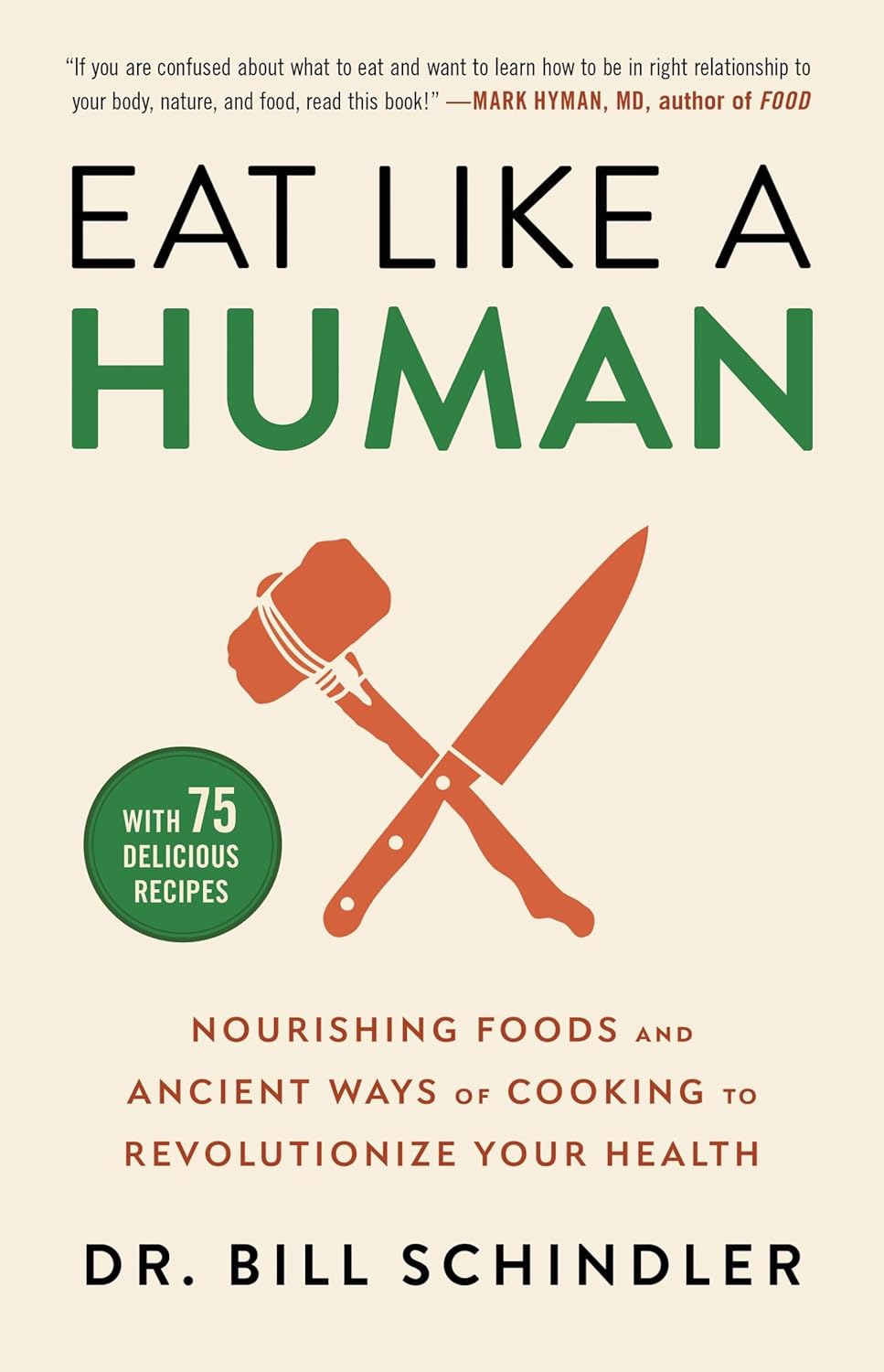 Nutrition
Eat Like A Human
Nourishing Foods and Ancient Ways of Cooking to Revolutionize Your Health
Shop on Amazon →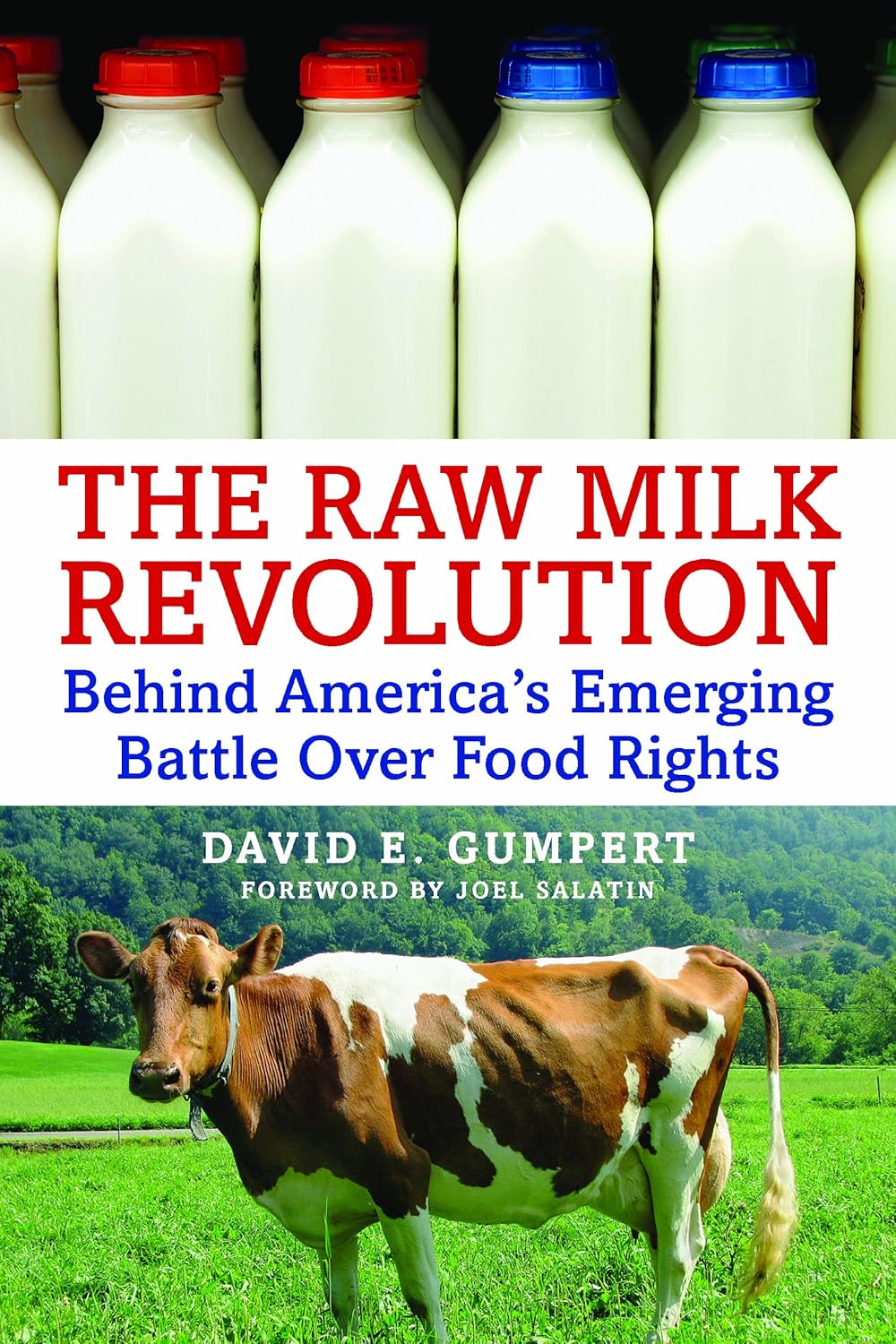 Nutrition
The Raw Milk Revolution
Behind America's Emerging Battle over Food Rights
Shop on Amazon → Nutrition
The Raw Milk Answer Book
What You REALLY Need to Know About Our Most Controversial Food
Shop on Amazon →




A new peer-reviewed 2026 UC Davis study tested 74 chips, salad dressings, and mayonnaise products labeled with avocado oil to determine whether they were compositionally consistent with authentic avocado oil. In this article, we break down the findings, explain what they mean for consumers, and include a searchable database showing which products passed and which did not.