VIDEO LIBRARY
Craig McCloskey
Non-toxic living • real-food nutrition • expert interviews
VIDEOS
FEATURED
Guest Appearances
Podcasts, interviews, and YouTube conversations I’ve been invited into — focused on non-toxic living, real-food nutrition, and family wellness.
START HERE
New Here? Watch These First.
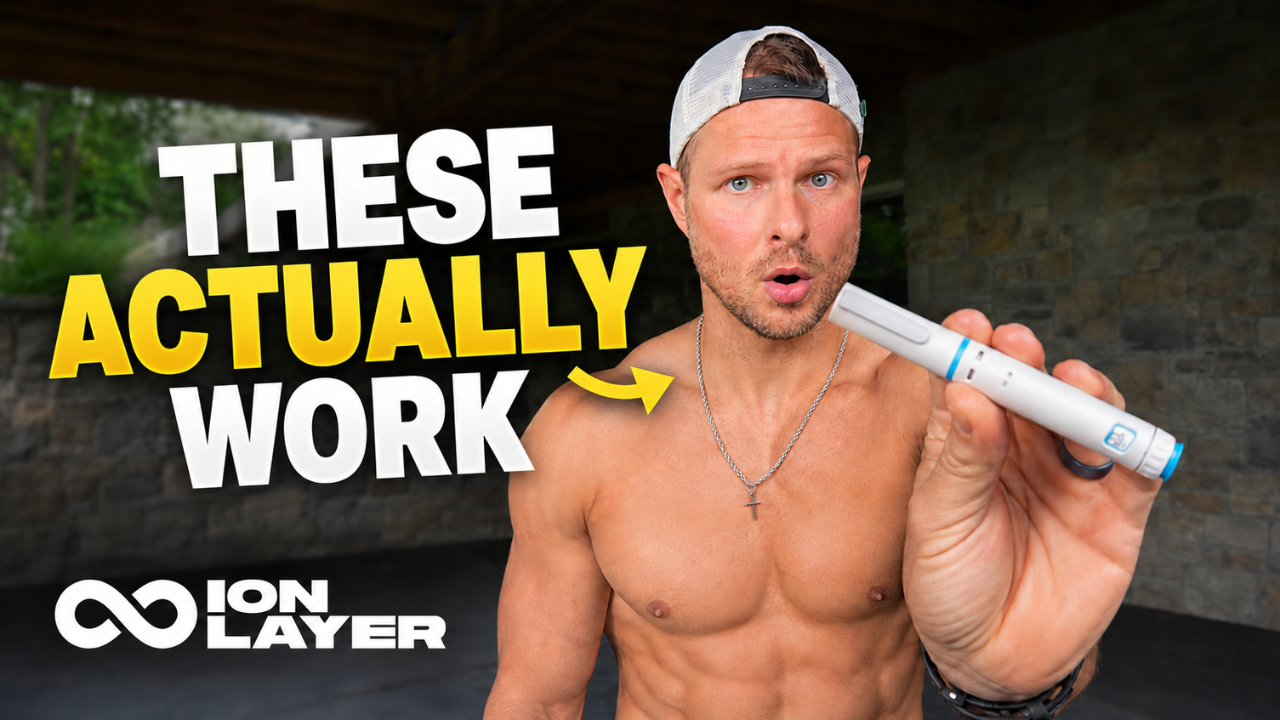
Are Injectable Peptides Worth It? A Deep Dive into Sermorelin, NAD+, and Glutathione
Injectable peptides have become one of the fastest-growing categories in health, recovery, and longevity. In this guide, I break down the science behind sermorelin, NAD+, and glutathione, discuss the potential benefits and drawbacks of peptide therapy, and share my personal experience using Ion Layer's physician-guided injectable pens.

Sweat Tent Sauna Review (2 Years Later): Honest Pros, Cons & What I’d Change
After using the Sweat Tent sauna for over 2 years and 200+ sessions, here’s my honest long-term review. I cover setup, heat quality, durability, recovery benefits, contrast therapy, pros and cons, and whether it’s actually worth buying compared to more expensive traditional saunas.

The Ultimate Guide to Circadian Lighting for a Healthier Home
Most people focus on food, water, and air quality—but overlook one of the most powerful inputs affecting their health: light. This guide breaks down what circadian lighting is, how it works, and how your home lighting can influence your sleep, energy, mood, and overall well-being.
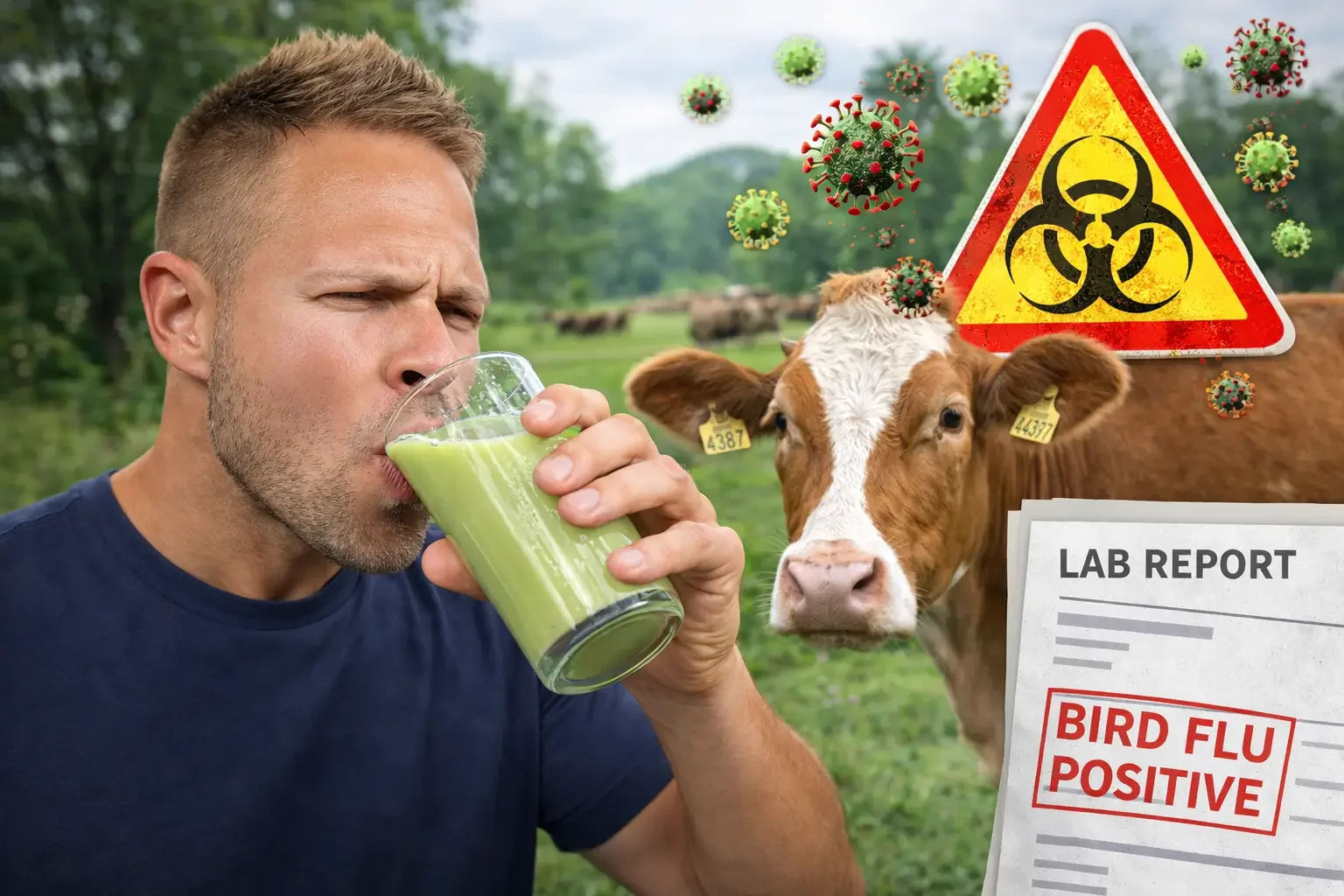
Can You Get Bird Flu From Drinking Raw Milk? What the Science Actually Says
Bird flu headlines have raised concerns about raw milk safety, but the evidence tells a more nuanced story. This article breaks down how H5N1 spreads, what CDC and FDA data show, and whether drinking raw milk actually poses a risk to humans.
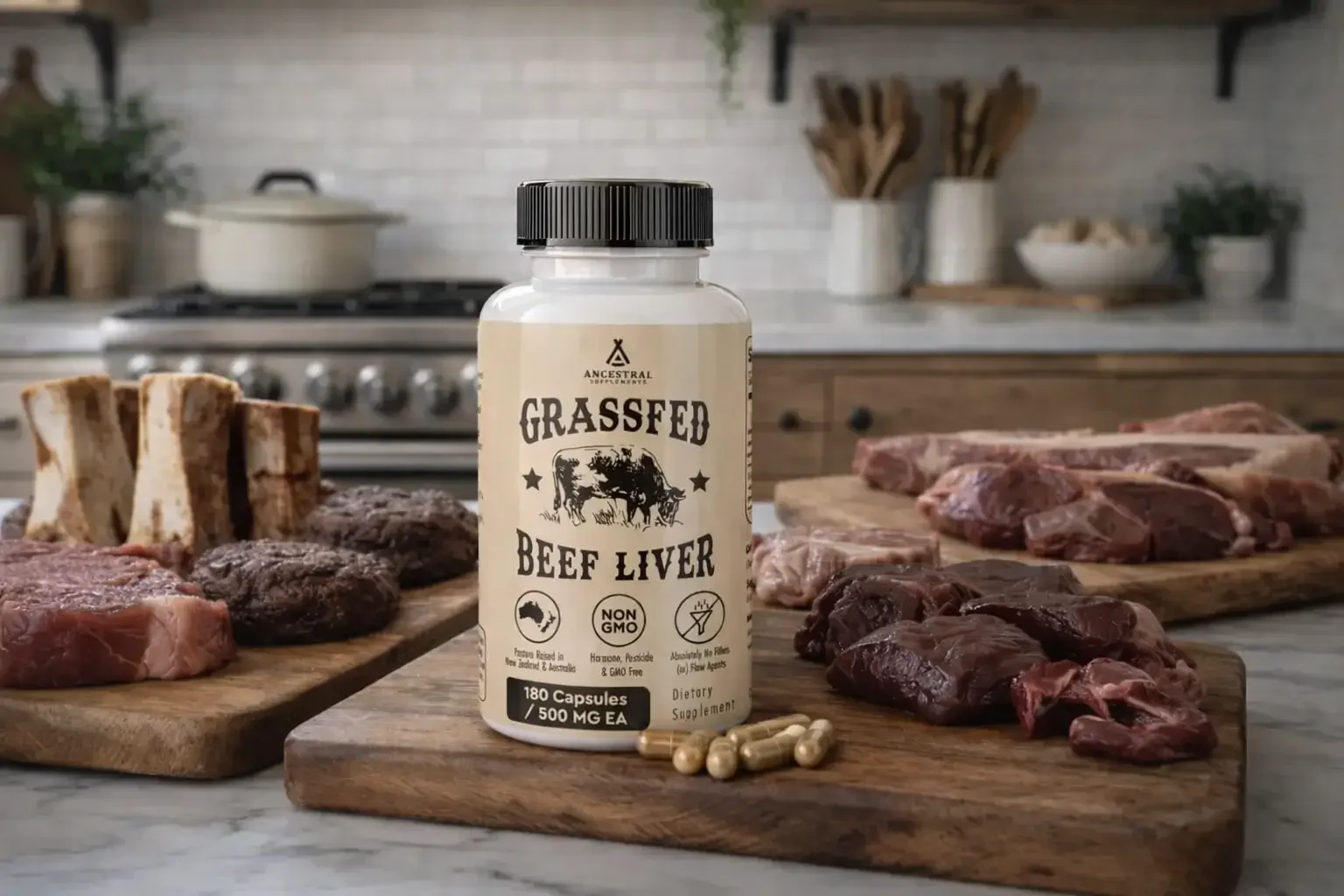
Beef Liver for Energy: 8 Science-Backed Reasons It May Help Reduce Fatigue
Beef liver is one of the most nutrient-dense foods on the planet and may help support natural energy levels. In this article, we break down eight science-backed reasons beef liver supports energy production — including heme iron, B vitamins, CoQ10, choline, and other key nutrients involved in metabolism, oxygen transport, and brain function.
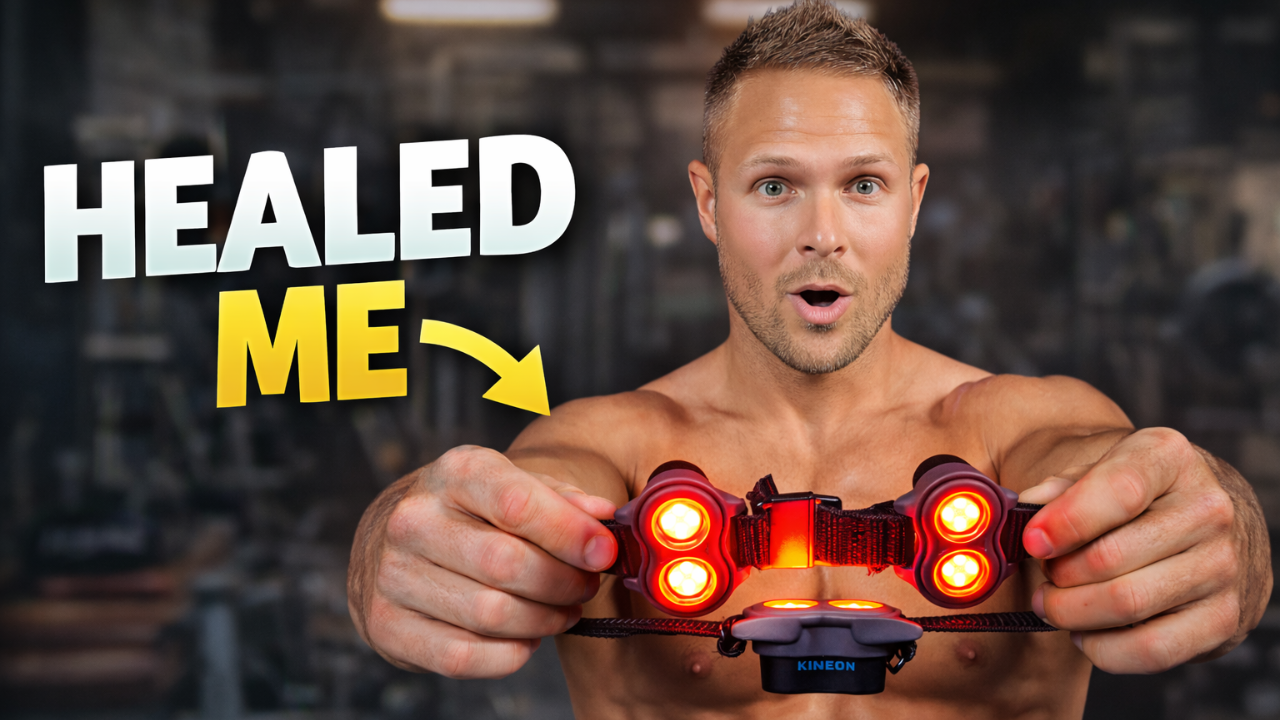
Kineon Move+ Pro Review: Red Light Therapy for Joints and Recovery
I tested the Kineon Move+ Pro for several months to see if targeted red light therapy actually supports joint pain and recovery. In this science-based review, I break down the 660nm and 808nm wavelengths, pulse wave technology, LEDs vs lasers, and who this device is best for. Here’s what I noticed — and what the research says.
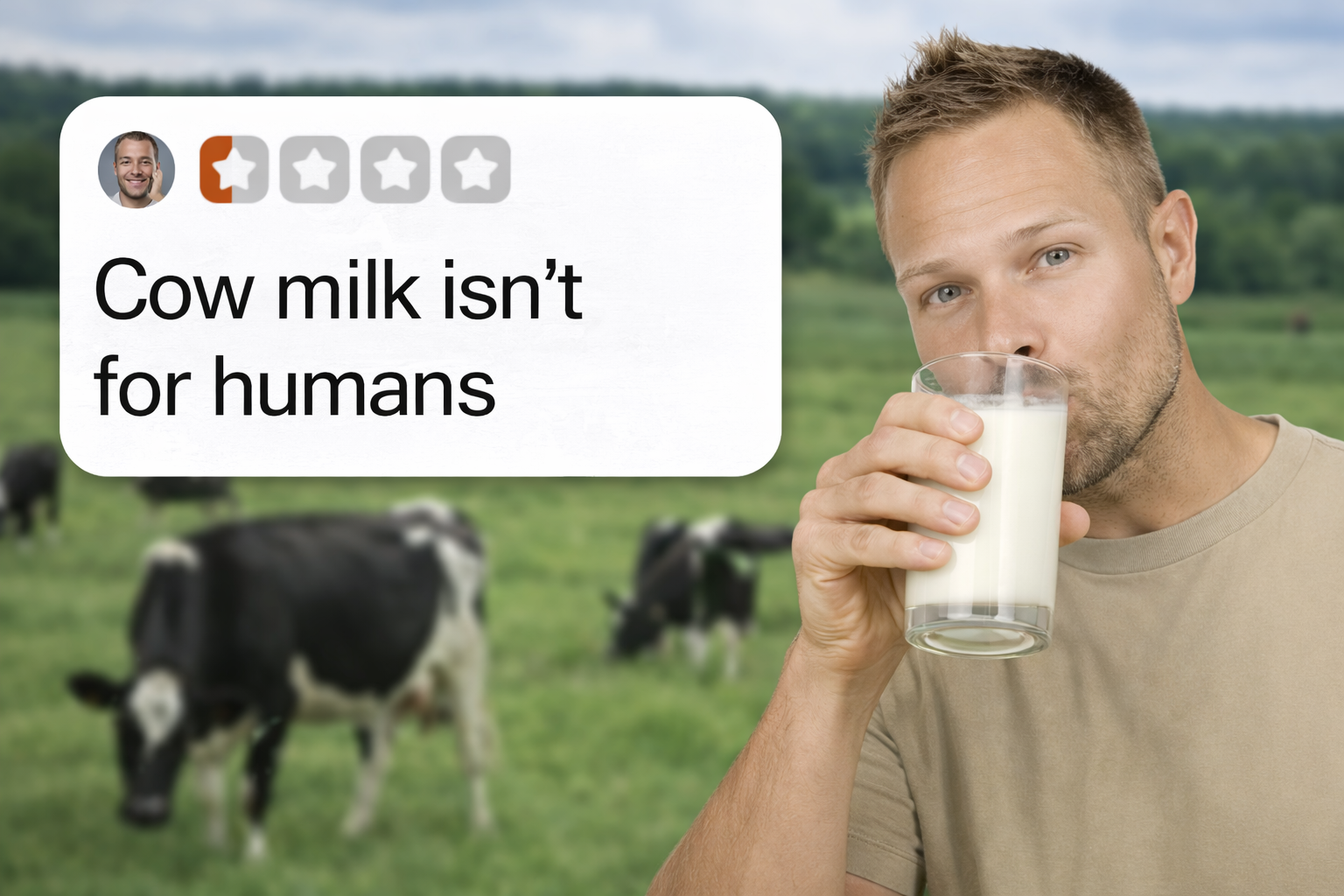
Are Humans Meant to Drink Cow’s Milk?
Dairy is one of the most controversial foods in modern nutrition. In this evidence-based deep dive, we examine whether humans are actually meant to consume cow’s milk, how dairy has been used throughout human history, what lactose intolerance really means, and why raw and traditionally produced dairy behaves very differently than modern processed milk.
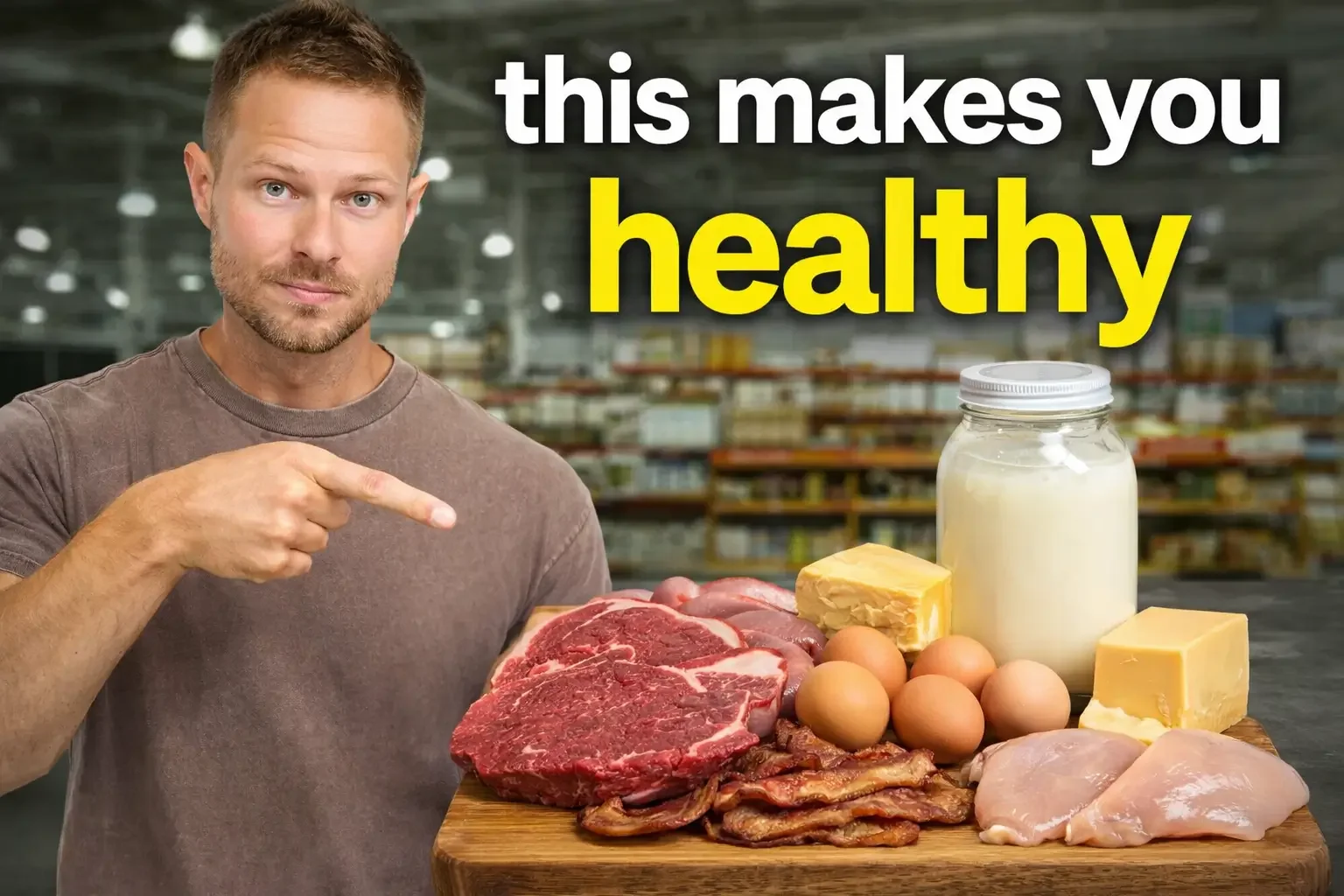
11 Dietary Principles All Healthy Cultures Have in Common
Modern nutrition advice changes every decade — but human biology hasn’t. Across continents, climates, and thousands of years, the world’s healthiest cultures shared the same foundational foods. In this article, we explore the foods all thriving cultures had in common, why they worked so well with human physiology, and how modern diets drifted away from these principles — especially with the rise of ultra-processed foods and seed oils.

The Dark History of Canola Oil: Is This “Heart‑Healthy” Fat Actually Healthy?
Canola oil is widely marketed as a heart-healthy fat, yet its origins as an industrial lubricant and extreme processing raise serious concerns. This evidence-based breakdown explores how canola oil is made, why it lowers LDL cholesterol, what early research actually found, and whether oxidation—not cholesterol alone—may be the real driver of cardiovascular and metabolic disease.
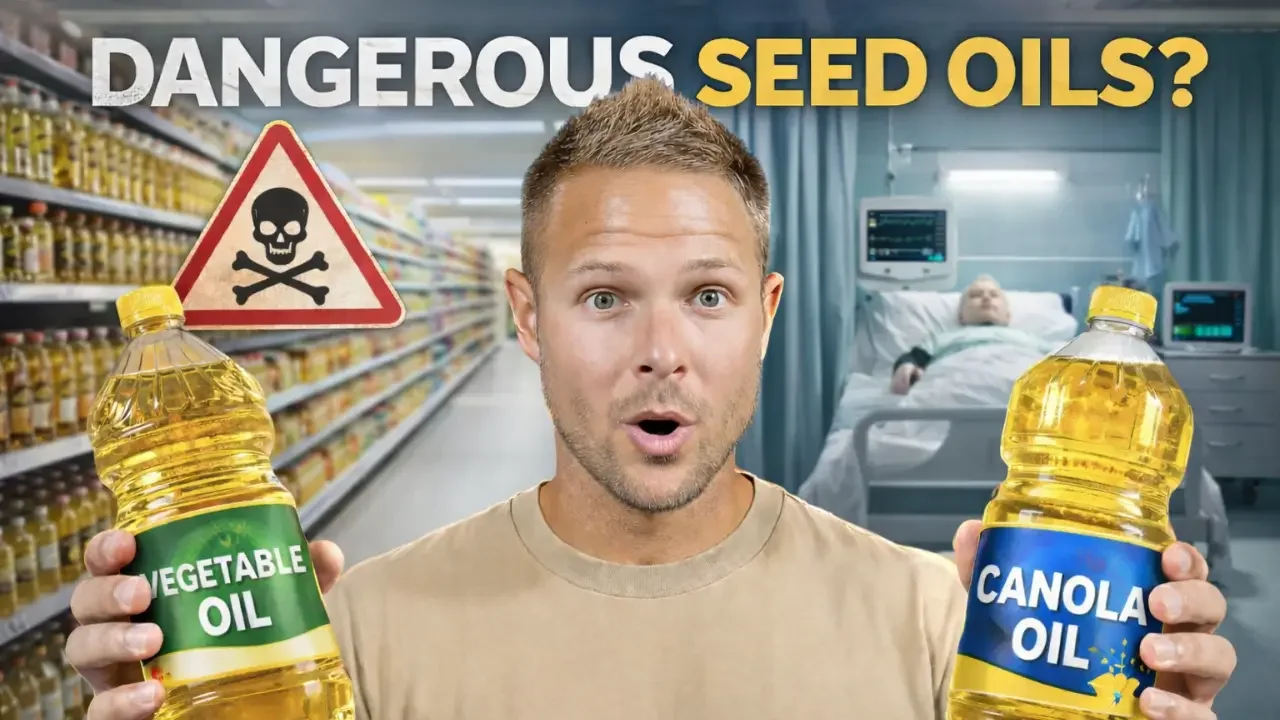
Are Seed Oils Actually Toxic? The Science Behind Oxidation, LDL, and Chronic Disease
Seed oils are often promoted as heart-healthy because they lower LDL cholesterol — but that’s only part of the story. This evidence-based breakdown explores how seed oils contribute to oxidation, toxic byproducts, and long-term metabolic stress, and why focusing on LDL alone may miss the real drivers of chronic disease.
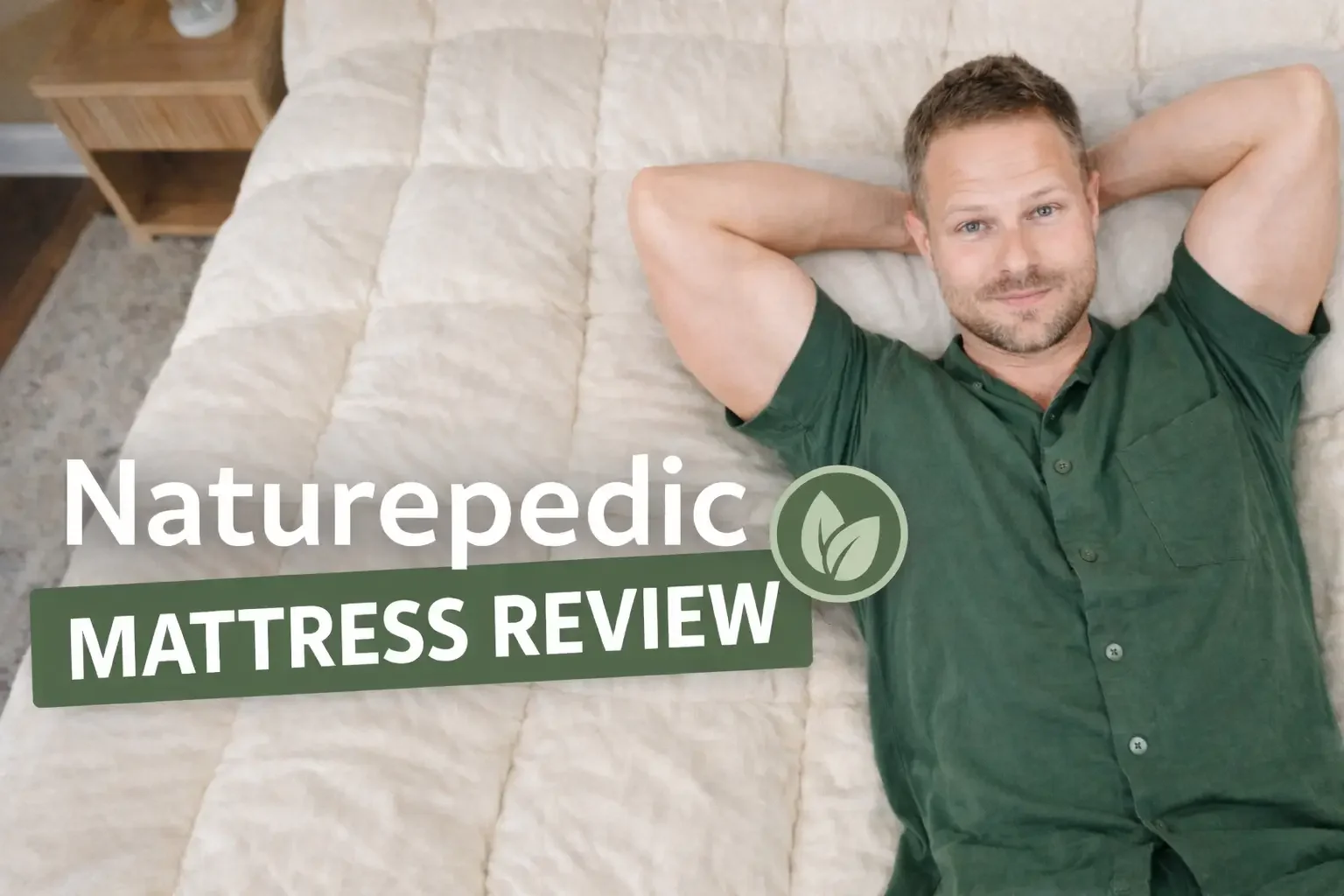
Naturepedic Mattress Review (After 1 Full Year): Our Honest Experience With a Non-Toxic Bed
After sleeping on the Naturepedic EOS Trilux mattress for over a year, I’m sharing my honest, unsponsored experience. This in-depth review covers comfort, customization, materials, off-gassing, certifications, and whether a non-toxic mattress is actually worth the investment for better sleep and long-term health.
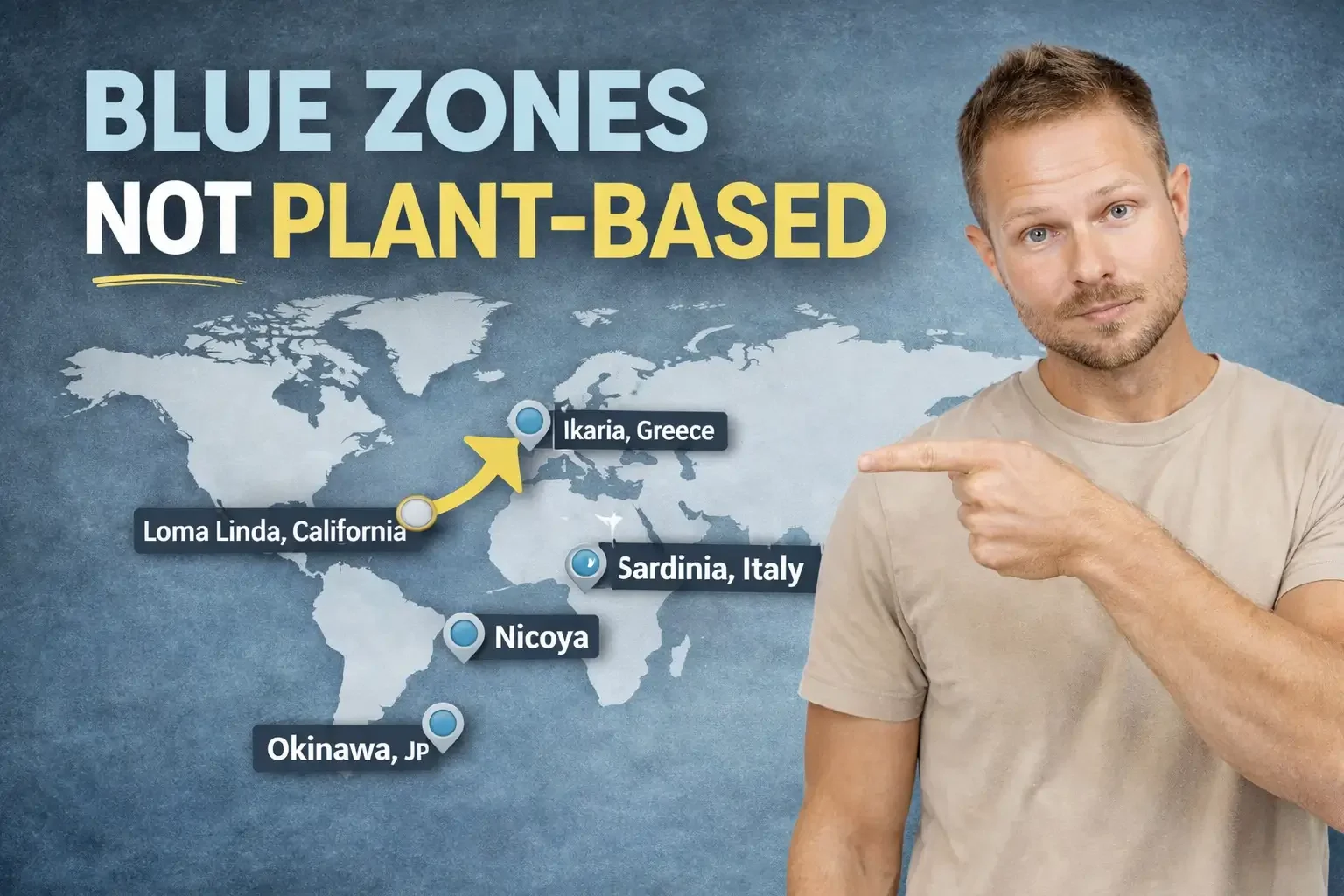
The Blue Zones Were Never Plant-Based: What These Long-Lived Cultures Actually eat
Blue Zones are often used as proof that humans thrive on a plant-based diet — but the real story is far more nuanced. When you look at anthropology, traditional food prep, and the actual diets of long-lived cultures, you’ll find meat, dairy, and properly prepared plants all play a role. Here’s what the Blue Zones really ate — and what we should actually learn from them.
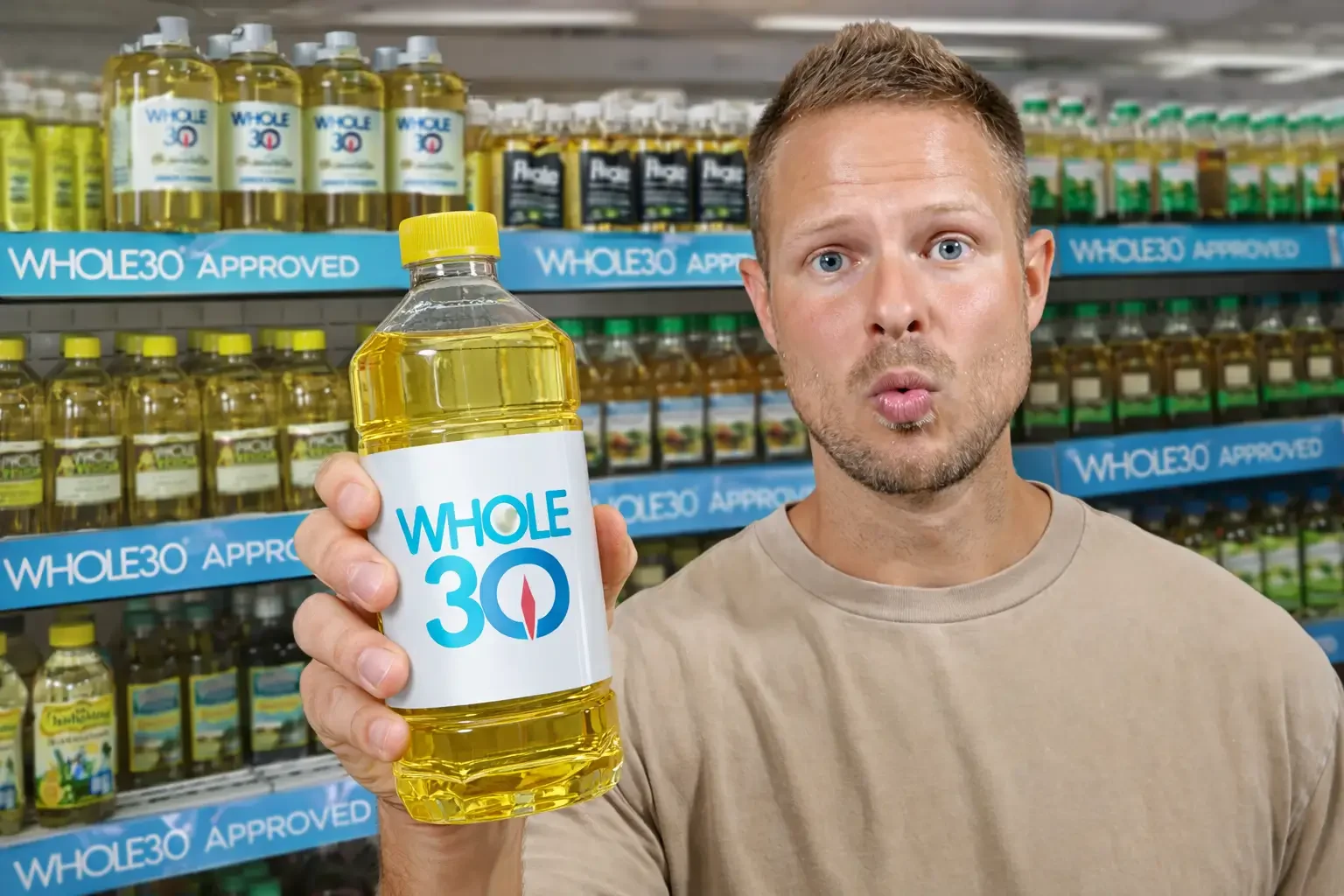
Why Whole30’s Decision to Approve Seed Oils Is a Serious Mistake - And What the Science Actually Shows
Whole30 recently announced that seed oils are now permitted in their program, claiming that “the science has changed.” This article takes a deep dive into the research Whole30 cited—and the science they left out. We examine why focusing only on LDL cholesterol and short-term inflammation markers misses the bigger picture, how linoleic acid and oxidized fats behave in the human body, and why long-term exposure to seed oils may carry metabolic and cardiovascular risks that deserve serious consideration.
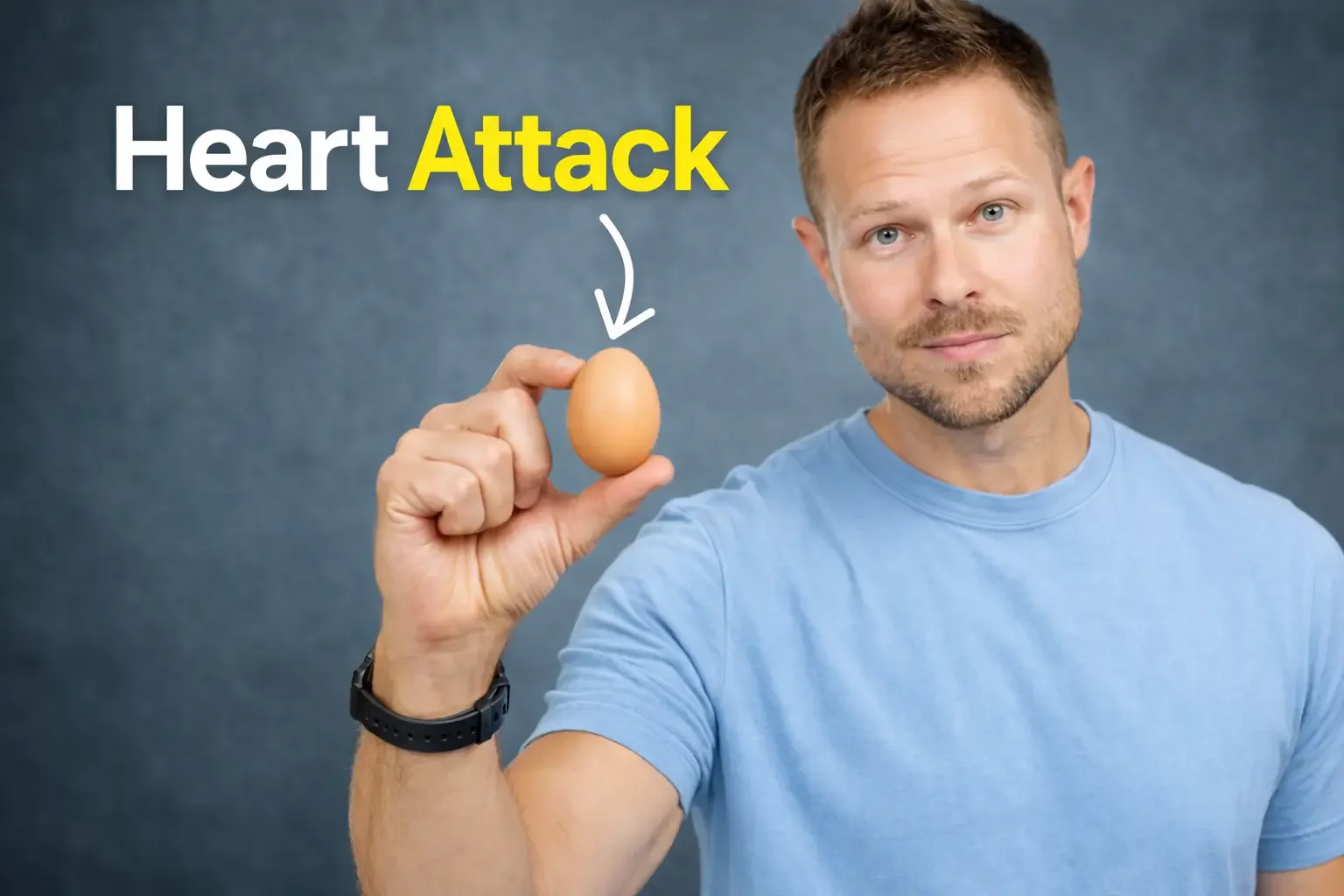
Eggs Aren’t the Enemy: The Truth About Cholesterol, Saturated Fat, and Choline
Eggs have been demonized for decades — blamed for high cholesterol, clogged arteries, and even “dangerous” compounds like TMAO. But the science tells a very different story. Here’s what decades of research (and updated dietary guidelines) actually say about eggs, cholesterol, saturated fat, and why egg yolks may be one of the most nutrient-dense foods you can eat.
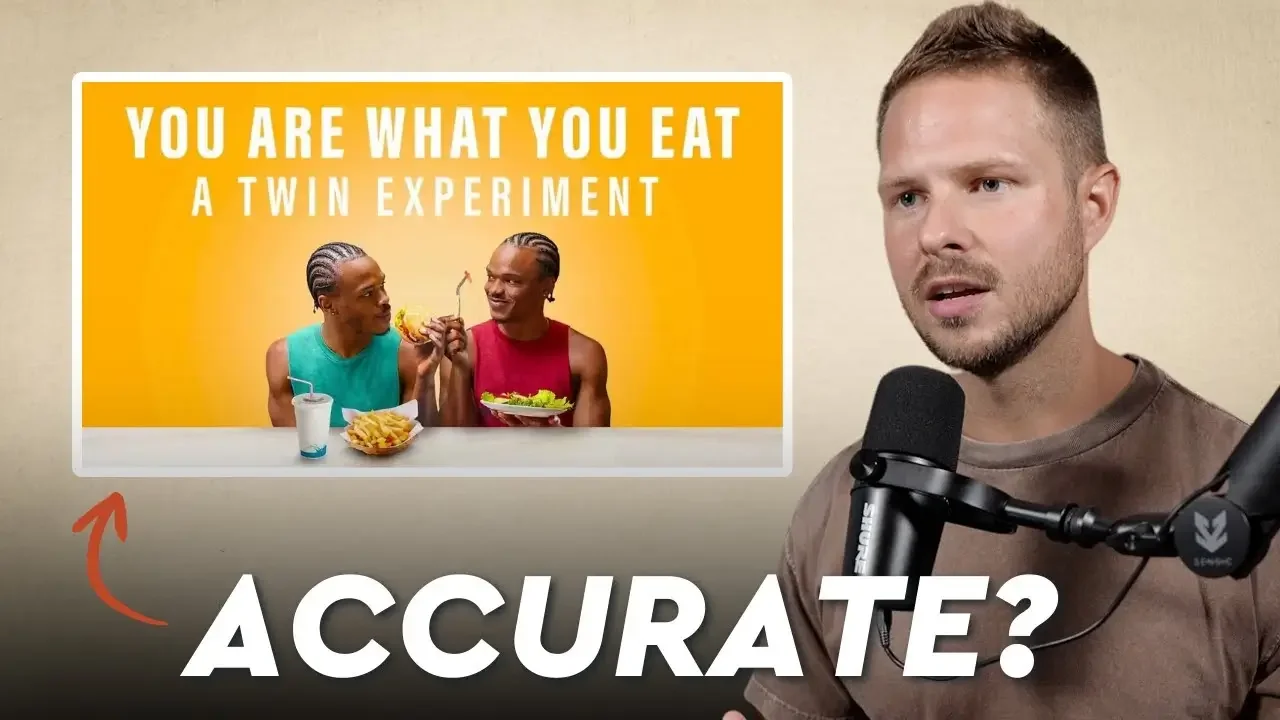
Are Vegan Diets Really Healthier? A Scientific Breakdown of Netflix’s You Are What You Eat
Netflix’s You Are What You Eat: A Twin Experiment claims a “healthy vegan” diet outperforms an omnivorous diet — but the real story is more nuanced. In this evidence-based breakdown, I walk through what the Stanford identical-twin trial actually measured (and what it didn’t), how to interpret LDL vs HDL/triglycerides, and why short-term results don’t automatically translate to long-term health outcomes.

Is PCOS and Infertility Reversible? What the Science and Real Stories Say
Many cases of PCOS and infertility may be driven less by “hormone imbalance” and more by underlying metabolic stress. In this article, we explore how diet, lifestyle, and environmental signals influence fertility — featuring powerful stories and insights from Dr. Ken Berry, Neisha Salas-Berry, and Meg Connolly.

10 Science-Backed Benefits of Fasting (And Why They Matter for Long-Term Health)
Fasting isn’t a trend — it’s a biological rhythm built into human physiology. This article breaks down 10 science-backed benefits of fasting, including effects on inflammation, metabolism, brain health, gut function, and cellular repair, plus who should and shouldn’t fast.

Is Fasting Safe? Debunking 5 Common Myths About Fasting and Human Metabolism
A science-backed breakdown of the most common fasting myths — from starvation mode and muscle loss to blood sugar crashes and nutrient deficiencies — and what human physiology and research actually show.

My Simple, Science-Backed Skincare Routine That Actually Healed My Skin
A simple, science-backed skincare routine built around healing the skin barrier, supporting collagen, and avoiding over-treatment. This is the exact routine I’ve used for years — including cleansing, microneedling, clay masks, red light therapy, and the Alitura products that helped my skin recover when it needed it most.
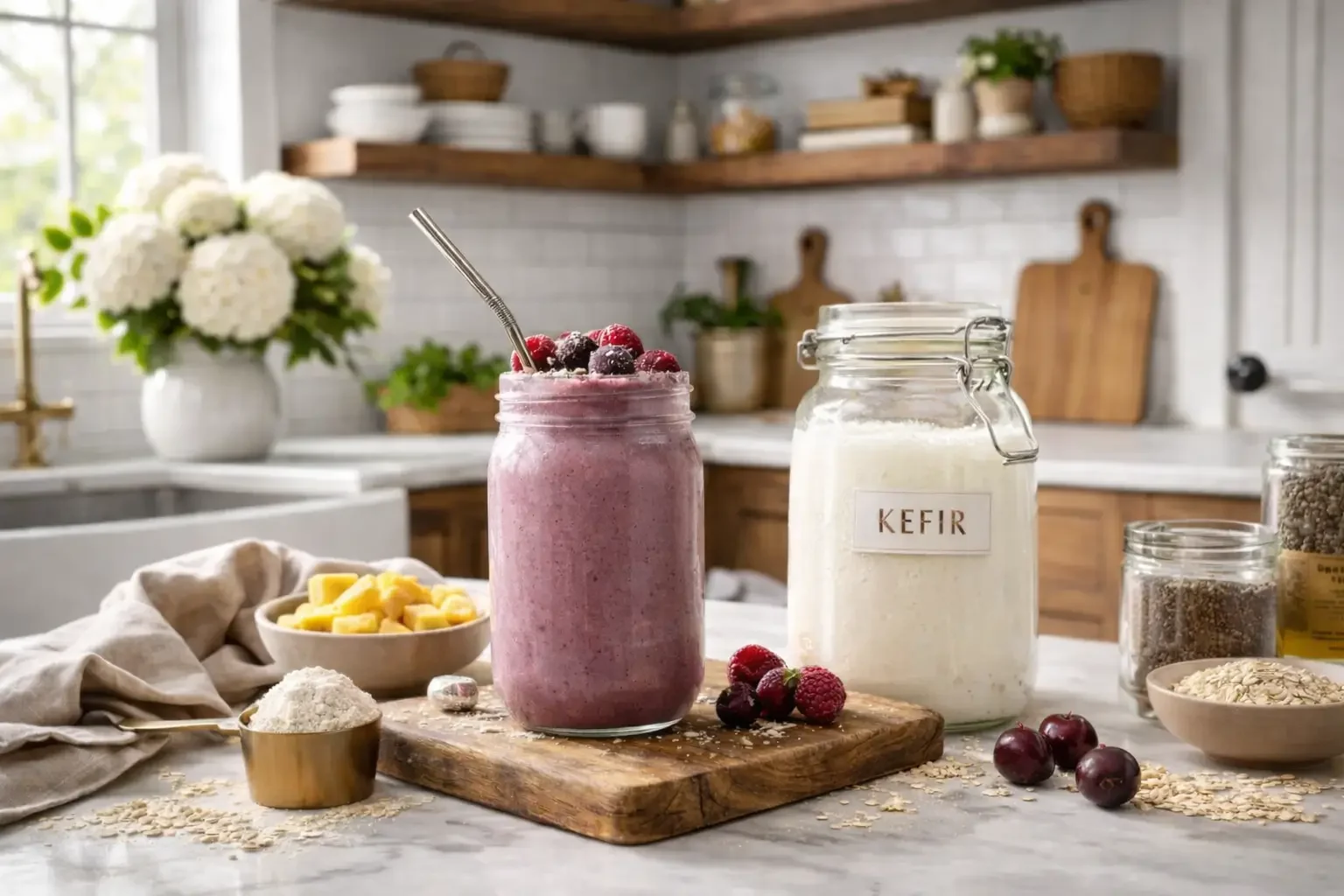
A High-Protein Morning Smoothie for Muscle Recovery, Gut Health, and All-Day Energy
A simple, science-informed post-workout smoothie built with kefir, dark cherries, mango, and a clean bone broth protein to support muscle recovery, gut health, and steady energy throughout the day.