How I Built a Healthier, Non-Toxic Coffee Bar (and Why It Matters More Than You Think)
NON-TOXIC KITCHEN — COFFEE SETUP
How I Built a Healthier, Non-Toxic Coffee Bar (Without Giving Up Great Coffee)
A science-grounded look at common coffee makers, hidden exposures, and how to build a cleaner, lower-tox coffee setup using simple materials and better brewing methods.

Author
Craig McCloskey
Certified Nutritionist
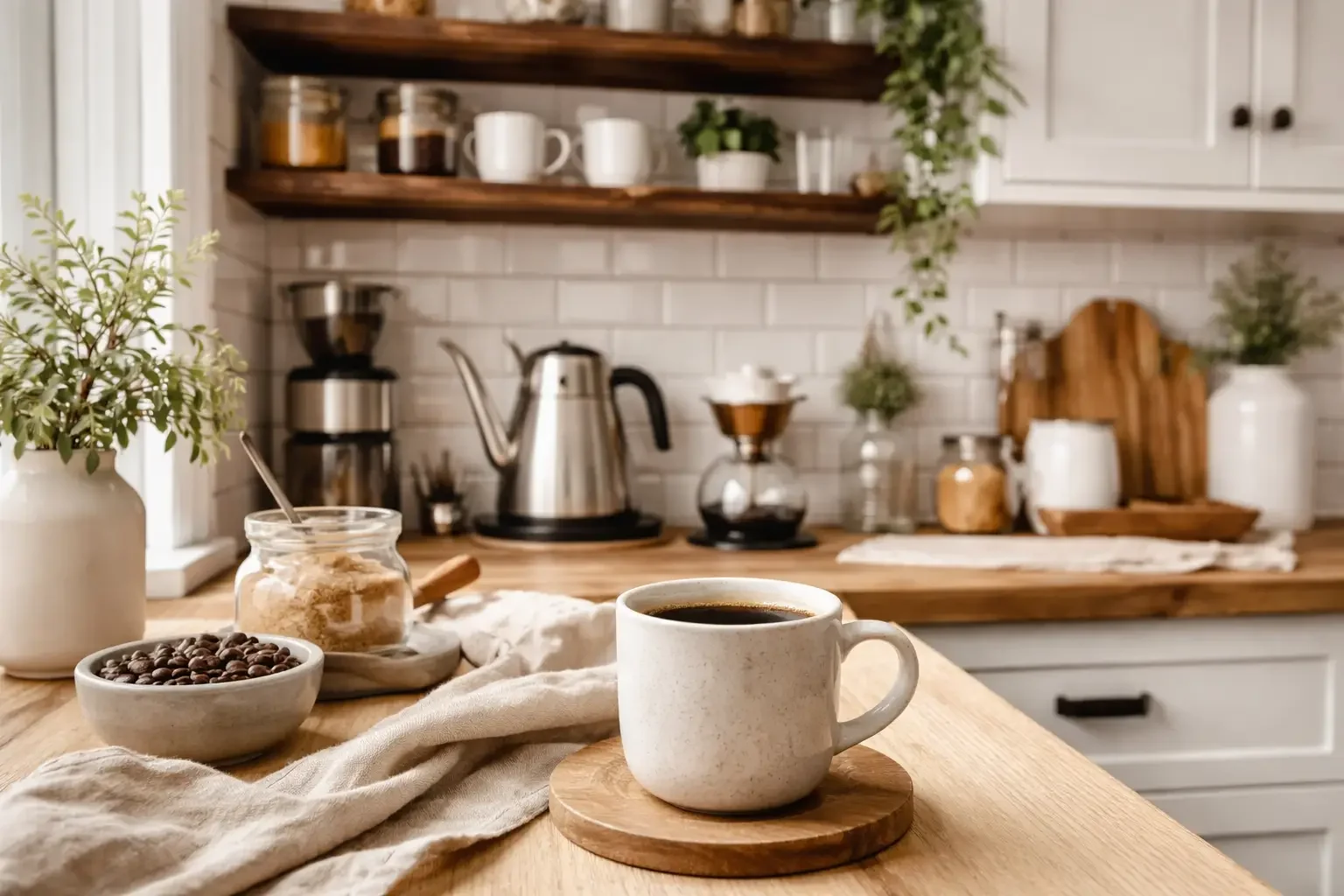
Coffee is one of those daily rituals most of us don’t think twice about. It’s automatic—roll out of bed, press a button, grab a cup, and get moving. But a few years ago, I started looking more closely at how I was making my coffee, not just what kind of beans I was buying. What I found pushed me to completely rethink my setup and ultimately build a coffee bar that aligned with the rest of our non-toxic kitchen.
This wasn’t about being extreme or perfect. It was about removing unnecessary exposures where I could—especially for something I consume every single day.
Why Most Coffee Makers Aren’t as Harmless as They Seem
Single-serve coffee machines and conventional drip coffee makers are incredibly convenient, but convenience often comes with trade-offs. Inside many of these machines, water sits stagnant in plastic reservoirs, creating a warm, damp environment that’s ideal for microbial growth.
Mold exposure doesn’t always cause immediate symptoms, but over time it can contribute to fatigue, brain fog, immune stress, and inflammation—especially for people who are already sensitive.
Then there’s the issue of the pods themselves. Plastic K-cups and aluminum espresso pods are exposed to near-boiling water during brewing. Heat dramatically increases the likelihood that materials like plasticizers, microplastics, or metals leach into the liquid you’re drinking.
This isn’t about fear—it’s about awareness. When you zoom out, coffee becomes one of the most frequent exposure points in the average home.
“When hot water repeatedly passes through plastic or aluminum, small amounts of those materials can migrate into your coffee — turning a daily ritual into a consistent source of low-level exposure.”
Coffee Quality Matters More Than Most People Realize
Beyond the equipment, the coffee itself deserves attention. Coffee is one of the most heavily sprayed crops globally, often treated with pesticides, fungicides, and herbicides. Even organic coffee can present issues if it isn’t properly handled and stored.
Coffee beans are especially prone to mold contamination due to moisture exposure during harvesting, shipping, and storage. Certain molds produce mycotoxins like ochratoxin A and aflatoxins, which are known neurotoxins.
This is why I prioritize high-quality, preferably mold-tested coffee and proper storage. Airtight containers that limit oxygen and moisture exposure help preserve freshness and reduce the risk of mold growth over time.
One brand I’ve personally relied on for years is Purity Coffee. I’ve been drinking it consistently because every batch is rigorously tested for mold toxins, pesticide residues, and heavy metals—something most coffee brands simply don’t do.
If you’re looking for a cleaner option that aligns with a lower-tox lifestyle, it’s one of the easiest upgrades you can make. You can also save 20% off your first order with code CRAIG, which makes it a great place to start.
“Coffee is mostly water, which means the quality of your brew depends just as much on filtration and mineral balance as it does on the beans themselves.”
▶️ Watch the Full Video: My Non-Toxic Coffee Bar Setup
Read the full transcript
If you're out there using a Keurig or another conventional coffee pot, you might want to think again because they are one of the most toxic ways to make coffee. And while my water's heating up here on the kettle, I'm going to explain to you why and show you a healthier alternative. So, we have a couple different components when it comes to Keurigs and conventional coffee pots. We have the coffee maker itself, and then we have the K-Cups and the Nespresso aluminum pods. Let's break each one of these down individually. When we start with the coffee maker itself, this is a breeding ground of mold and other bacteria because you have a lot of stagnant water sitting inside the reservoir. In a 2011 study, researchers found that 50% of all coffee pots have mold in them—most predominantly coliform bacteria, which can be problematic for human health. And we know that mold exposure, especially over long periods of time, can contribute to a variety of health issues. But it’s not just the coffee maker itself. K-Cups and Nespresso pods come with their own set of issues—ranging from environmental impact to plastics, aluminum, and the quality of the coffee itself. In 2013 alone, over 8 billion K-Cups were sold under the Keurig brand name, enough to stretch around the Earth more than ten times. Even the inventor of Keurig has publicly stated that he regrets creating them due to their environmental impact. Beyond waste, most pods are made of plastic or aluminum. A recent study found that a single liter of bottled water can contain over 240,000 microplastic particles—and that water isn’t even heated like it is in coffee machines. When near-boiling water passes through plastic pods, small amounts of plastic can leach into your coffee. Over time, those micro-exposures can add up. Aluminum pods come with concerns as well. Hot liquids passing through aluminum can cause leaching, and excess aluminum exposure has been associated in the literature with various health conditions. On top of that, the quality of coffee used in pods is often low. Coffee is one of the most heavily sprayed crops in the world, and even organic coffee can contain mold due to moisture exposure during processing and storage. Studies suggest that roughly 50% of conventionally sourced coffee may contain mold toxins such as aflatoxins or ochratoxin A—both known neurotoxins. Organic certification does not guarantee mold testing, which means many coffees still slip through unchecked. Some companies now offer stainless steel or paper-filtered pods, which are a better option if you’re not ready to give up your machine. But the coffee maker itself still needs frequent cleaning, since stagnant water inside the system can harbor mold if it’s not maintained properly. If you want to switch things up, I’ve been using more traditional methods since 2015. This is how I make coffee every single morning. A simple glass and stainless steel French press is one of the easiest upgrades you can make—it’s inexpensive, easy to find, and avoids plastic and aluminum altogether. My preferred method is pour-over because it gives you more control. I start with high-quality filtered water, heated in a stainless steel kettle. I use reverse-osmosis water with minerals added back in. Then I rinse an unbleached paper filter to remove any paper taste and preheat the glass. I grind my beans fresh, measure out about 30 grams of coffee, and brew using roughly a 15:1 water-to-coffee ratio. After a short bloom to release carbon dioxide, I pour steadily over two to three minutes. The entire process takes about five minutes—no longer than a typical pod machine. Everything here is intentional: glass, stainless steel, filtered water, mold-tested coffee, and simple tools. This is how coffee has been made for most of human history. It’s reusable, better for the environment, and reduces unnecessary exposures. More than anything, this has become a morning ritual I genuinely enjoy. It’s calmer, more mindful, and produces better-tasting coffee. If you have five minutes in the morning, this is a small change that can make a meaningful difference. Grab your favorite mug and enjoy. If you found this helpful, leave a comment, like the video, and subscribe for more content like this.
The Simple Principles Behind My Non-Toxic Coffee Bar
I didn’t build this setup to be fancy. In fact, it’s intentionally simple. The guiding principles are:
Avoid plastic and aluminum where heat is involved.
Glass and stainless steel are far more stable materials for hot liquids.
Use clean, filtered water.
Coffee is mostly water, so the quality of your water matters just as much as the beans. I use reverse osmosis–filtered water and add minerals back in for taste and balance.
Grind fresh when possible.
Grinding beans right before brewing preserves flavor and reduces oxidation.
Choose brewing methods that are easy to clean.
French presses and pour-over setups don’t have hidden reservoirs or internal tubing that trap moisture.
My Go-To Brewing Methods
For most mornings, I rotate between two methods.
A glass and stainless steel French press is one of the easiest upgrades you can make. It’s affordable, widely available, and doesn’t require electricity or pods. Clean-up is straightforward, and there are no hidden components where mold can accumulate.
My preferred method, though, is a pour-over setup using a glass Chemex and unbleached paper filters. It allows more control over water temperature, brew time, and strength. I heat filtered water in a stainless steel kettle, rinse the paper filter to remove any paper taste, and brew using a ratio that keeps the coffee smooth and balanced.
This entire process takes about five minutes—roughly the same amount of time as waiting for a single-serve machine to heat up.
“Traditional brewing methods that rely on glass, stainless steel, and paper filters reduce unnecessary chemical exposure while giving you more control over taste, strength, and freshness.”
Why This Became More Than Just Coffee
What surprised me most wasn’t just the improvement in taste—it was how much I started to enjoy the ritual. Making coffee this way forces you to slow down, even briefly. It creates a pause between waking up and diving into the day.
For me, that ritual became something I genuinely look forward to. It’s better for the environment, better for our kitchen, and better for our health—and it aligns with how coffee has traditionally been made long before disposable pods existed.
If you’re not ready to completely ditch your current machine, small changes still matter. Switching to stainless steel or paper-filtered pods, cleaning your machine regularly, and upgrading your water quality can all meaningfully reduce exposure.
But if you’re building—or rebuilding—a healthier home, your coffee setup is a great place to start.
SHOP OUR COFFEE BAR
Everything We Use — In One Place
Tap a category to shop the exact products we use (Amazon storefront + curated lists).
 Coffee
Purity Coffee
Mold-tested, antioxidant-rich coffee beans.
Shop Purity →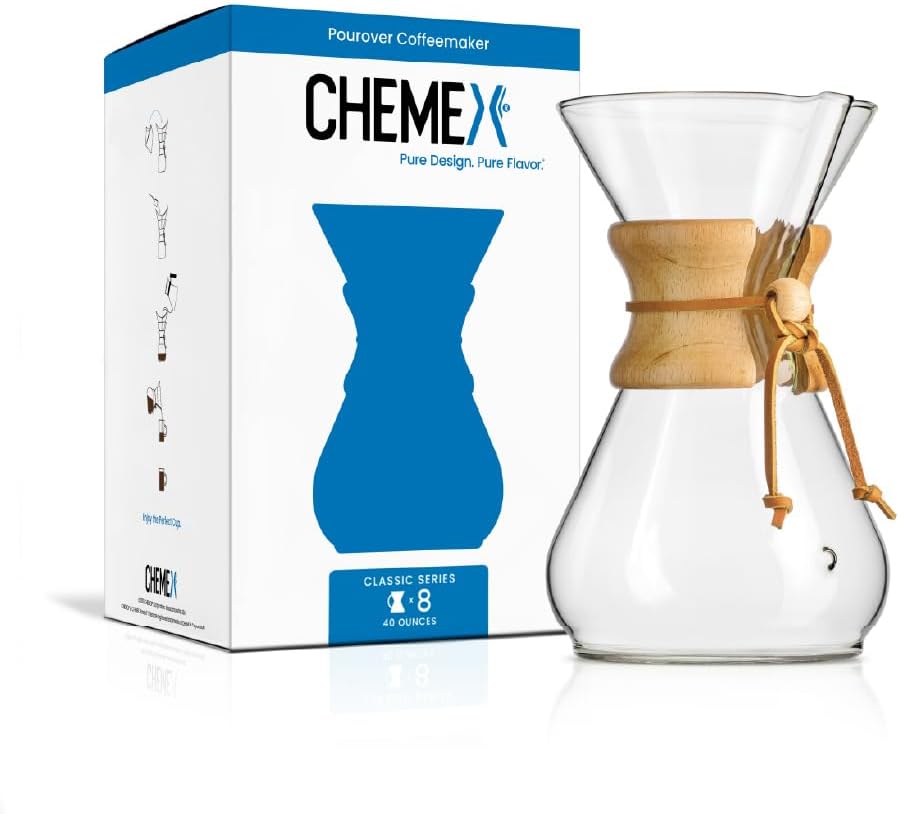 Pour Over
Chemex
Pour-Over Glass Coffeemaker.
Shop Amazon → Filters
Chemex Coffee Filters
Unbleached, chlorine-free filters.
Shop Amazon → Grinder
Fellow Opus Grinder
Conical Burr Grinder - Espresso to Cold Brew.
Shop Amazon → Kettle
Fellow Stagg EKG Pro
Electric Gooseneck Kettle - Pour-Over Coffee and Tea.
Shop Amazon → Coffee Scale
TIMEMORE Coffee Scale
Espresso Scale with Water Flow Rate and Timer Function.
Shop Amazon →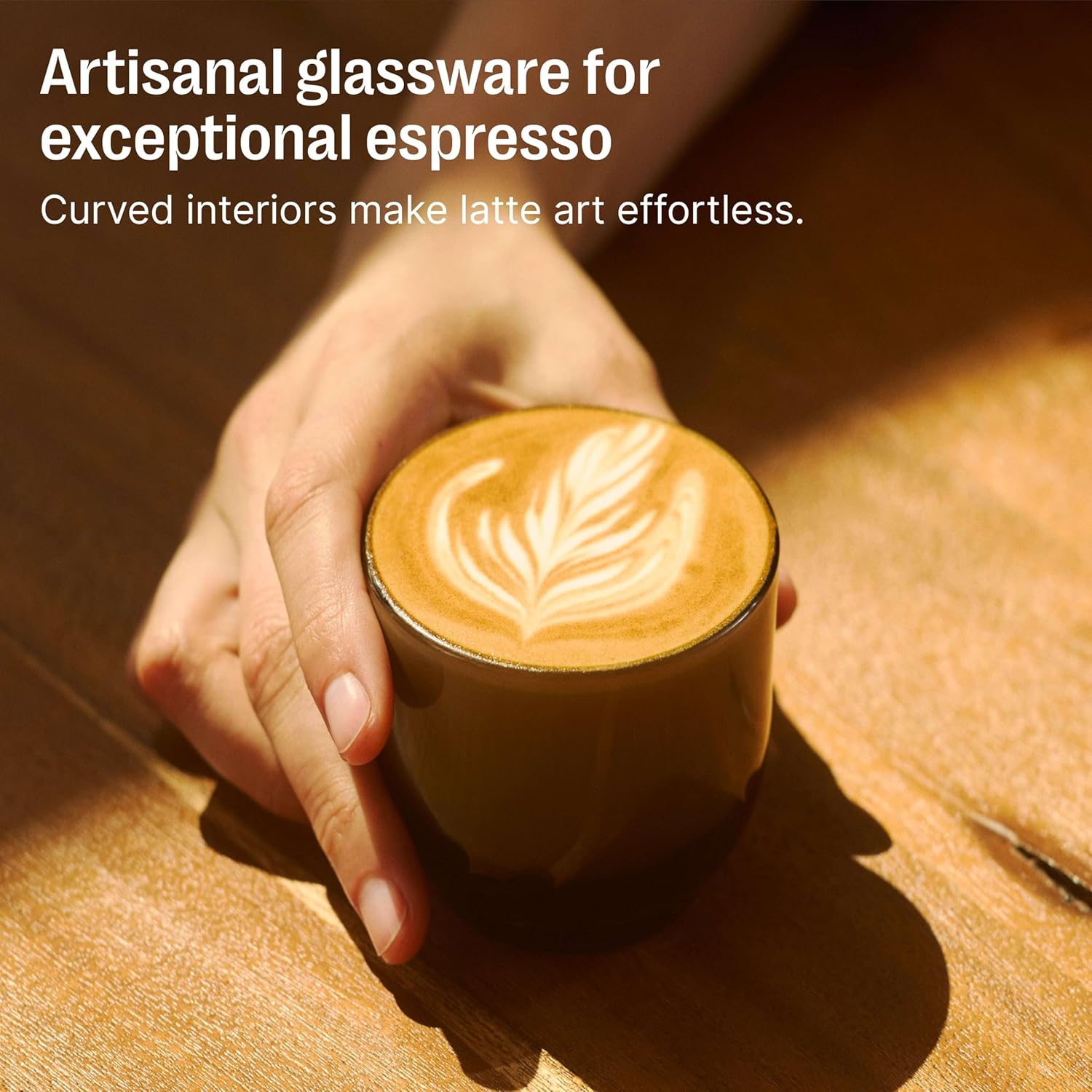 Espresso Glasses
Fellow Espresso Glasses
Artisanal Cups - Coffee Glasses for Espresso Shots & Latte Art.
Shop Amazon →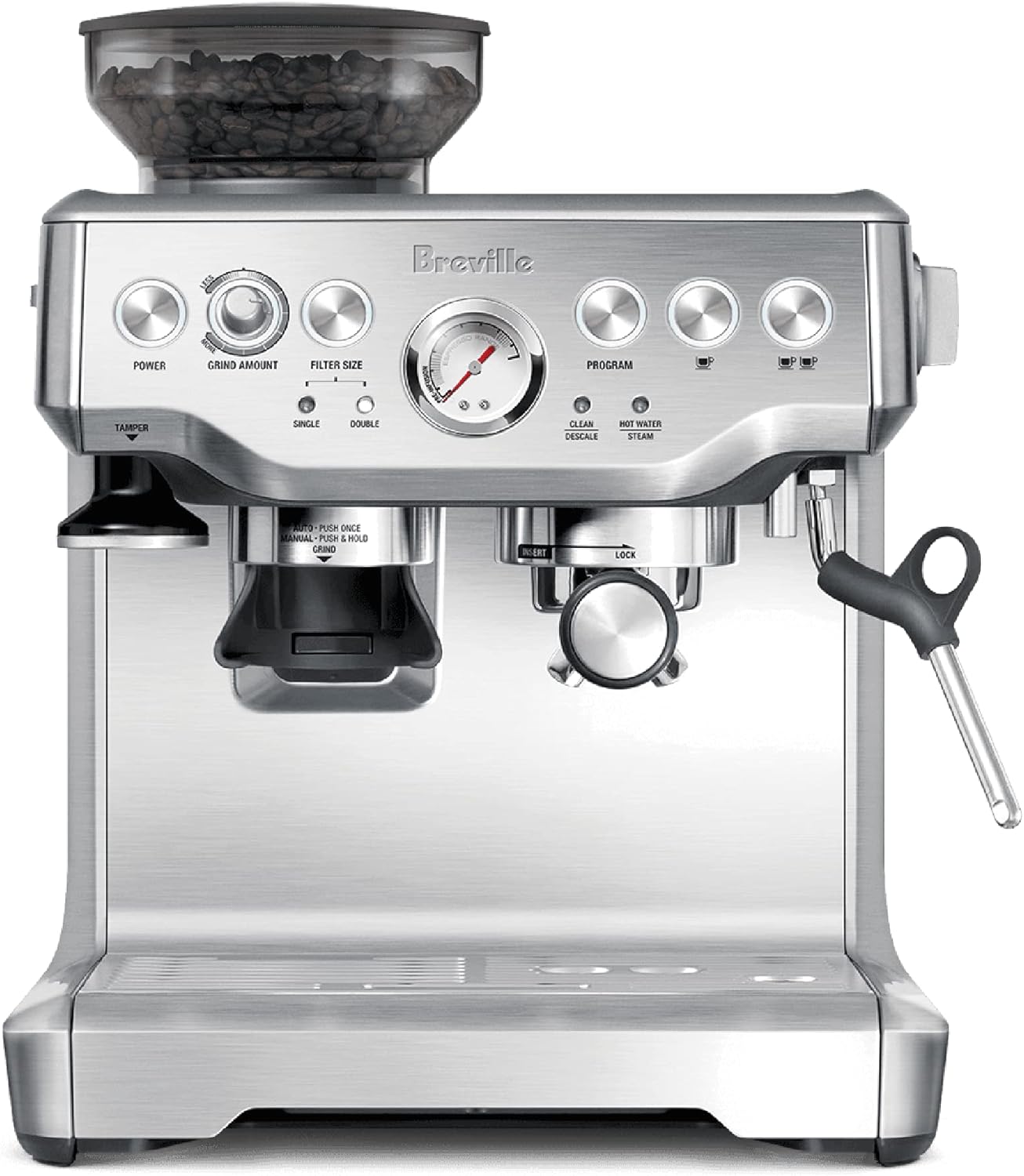 Espresso
Breville Barista Express
Make espress-based drinks, easy.
Shop Amazon →



A new peer-reviewed 2026 UC Davis study tested 74 chips, salad dressings, and mayonnaise products labeled with avocado oil to determine whether they were compositionally consistent with authentic avocado oil. In this article, we break down the findings, explain what they mean for consumers, and include a searchable database showing which products passed and which did not.