Real Food • High-Protein • Family Nutrition
Nutrition Articles
Simple, science-informed articles that cut through the noise on macros, real food, protein, and how to actually nourish a busy, modern family.
All Nutrition Articles

Colostrum isn’t just for newborns. Bovine colostrum contains immunoglobulins, lactoferrin, growth factors, peptides, and other bioactive compounds that may support gut health, immune function, exercise recovery, and skin health in adults. In this guide, we break down what colostrum is, how it works, the top science-backed benefits, and what to look for in a high-quality colostrum supplement.
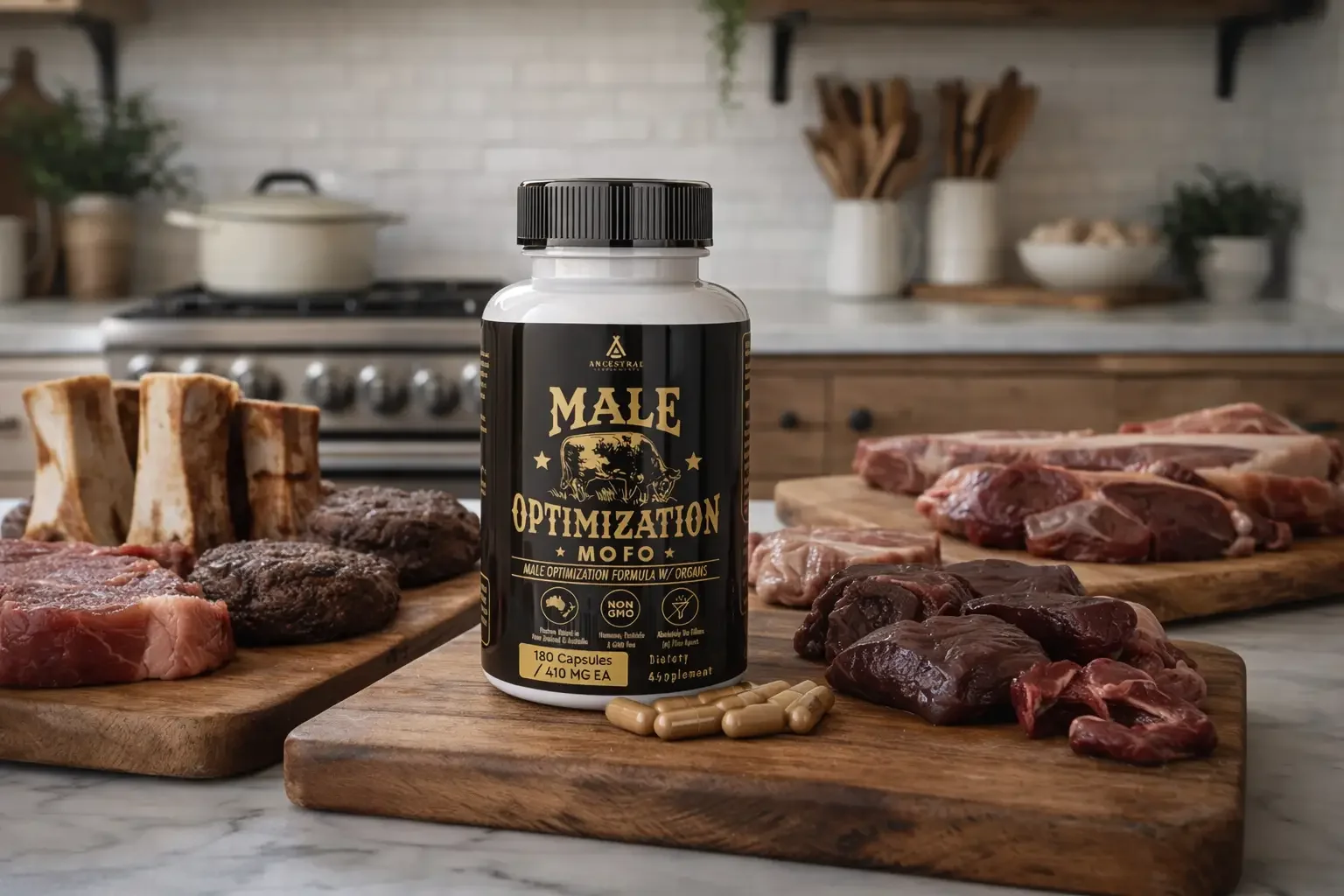
Low testosterone isn’t just a normal part of aging — it’s a modern signal of disrupted sleep, nutrition, stress, and metabolic health. This evidence-based guide breaks down the real, research-backed ways men can support healthy testosterone naturally, without gimmicks or fear-based advice.

The 2025–2030 Dietary Guidelines for Americans represent the most meaningful shift in U.S. nutrition policy in decades. For the first time, federal guidance moves away from nutrient fear and calorie math and back toward real, whole foods — prioritizing protein, full-fat dairy, reduced added sugars, fewer ultra-processed foods, and even acknowledging low-carbohydrate diets for certain populations. This article breaks down what actually changed, why it matters, and where nuance is still needed.

Coffee can be a powerful tool for focus, energy, and long-term health — or a quiet drain on sleep, hormones, and blood sugar. In this guide, I break down what coffee actually does in the body, why people respond so differently, and how to drink it in a way that works for you.

Digestive enzymes are one of the most overlooked keys to gut health. In this guide, I break down what enzymes actually do, why so many people struggle with low levels, and how targeted enzyme support can reduce bloating, improve nutrient absorption, and make meals feel effortless again. Plus, the science behind my go-to pick: MassZymes.

Not all magnesium works the same. Some forms support sleep and stress relief, others boost energy or digestion, and a few barely absorb at all. This science-backed guide explains why magnesium deficiency is so widespread and how to choose the right form for your specific health goals.

From sore throats and seasonal bugs to skin irritation and gut support, Manuka honey has become a quiet hero in our home. This article breaks down the real science behind its benefits — and how to choose the right UMF strength so you’re not overpaying or overwhelmed.

Creatine isn’t just for athletes — it’s a simple, well-studied supplement that supports strength, brain function, energy, and long-term health. Here’s what the research actually shows, how to use it safely, and why I’m selective about the form I take.
The 2025–2030 Dietary Guidelines for Americans Mark a Historic Shift Back to Real Food
The 2025–2030 Dietary Guidelines for Americans represent the most meaningful shift in U.S. nutrition policy in decades. For the first time, federal guidance moves away from nutrient fear and calorie math and back toward real, whole foods — prioritizing protein, full-fat dairy, reduced added sugars, fewer ultra-processed foods, and even acknowledging low-carbohydrate diets for certain populations. This article breaks down what actually changed, why it matters, and where nuance is still needed.
A new peer-reviewed 2026 UC Davis study tested 74 chips, salad dressings, and mayonnaise products labeled with avocado oil to determine whether they were compositionally consistent with authentic avocado oil. In this article, we break down the findings, explain what they mean for consumers, and include a searchable database showing which products passed and which did not.