The Missing Fertility Nutrient No One Talks About
The science behind protein’s essential role in fertility — from hormones and blood sugar to egg quality, sperm health, and the body’s ability to sense a safe, well-nourished environment for pregnancy.

12 min read Updated December 2025

This article contains affiliate links, meaning we may earn a small commission if you choose to purchase through them — at no extra cost to you. We only share products we personally use and trust.

When Bethany and I really began preparing for pregnancy, we discovered a truth that changed everything about the way we ate, trained, and lived. It wasn’t a new supplement or a trendy diet hack or a superfood smoothie. It was something far more primal, something rooted in physiology rather than fads:
Your body wants to feel safe before it creates new life.
Fertility is not automatic. It isn’t guaranteed simply because you want a baby or stop preventing one. Fertility is the body’s way of evaluating the world around you — asking, “Is this environment stable, nourished, and abundant enough to support another human?”
And when the answer is no — whether from under-eating, chronic stress, blood sugar swings, not enough sleep, environmental toxins, missing nutrients, or too little high-quality protein — reproduction quietly downshifts. Not out of failure, but out of protection.
Your biology is wise enough to avoid bringing a baby into an environment that appears scarce.
As we dug deeper into the research, one theme kept emerging. There is one nutrient that sends perhaps the strongest signal of abundance your body can perceive.
Protein.
Not just for building muscle, not just for athletes, not as a diet trend — but as the fundamental building block of human life. Protein is how your body knows, “We have enough. We can build. It’s safe to grow new life.”
Yet nearly every couple we’ve spoken with — even health-conscious ones — was dramatically under-eating protein before trying to conceive. Many were at half of what their physiology actually needed.
Once you understand how protein affects hormones, ovulation, egg and sperm quality, thyroid health, metabolic regulation, and early fetal development, the picture becomes extremely clear: protein is not optional for fertility. It is foundational.
So let’s break down the science and see why eating enough protein — often around 1 gram per pound of body weight — is one of the most powerful actions you can take to prepare for conception.
“Adequate protein — especially from high-quality, nutrient-rich sources — supports hormone balance, ovulatory function, and healthy egg development.”
Protein: The Body’s Primary Signal of Safety and Abundance
Unlike carbs or fats, which can fluctuate dramatically with seasons or food availability, protein has always represented abundance throughout human evolution. When protein intake is adequate, your body receives a message that resources are plentiful — that it’s safe to build tissues, develop eggs and sperm, support pregnancy, and invest energy in creation rather than survival.
When protein is low, the message is the opposite. Biological systems begin conserving energy. Hormone production slows. Menstrual cycles become irregular. Ovulation may be delayed. Sperm count drops. Thyroid function downshifts.
Your reproductive system reads low protein as a sign of famine. And that interpretation is not subjective — it’s measurable.
Protein is not just a nutrient.
It’s communication.
It’s information.
It’s a cue telling your body whether life is possible.
Why ~1 Gram of Protein per Pound Is Often Ideal for Fertility
Most people have heard the RDA recommendation: 0.8 grams of protein per kilogram of body weight per day. But what most people don’t realize is that the RDA was never designed to represent optimal intake. It was only designed to represent the minimum amount needed to avoid clinical deficiency in the average sedentary adult.
Avoiding deficiency is not the same as optimizing fertility.
This range supports:
Stable blood sugar
Healthy insulin response
Lean mass maintenance
Thyroid hormone conversion
Reproductive hormone production
Ovarian follicle development
Early embryonic growth
Fertility places enormous demands on the body. Attempting to meet those demands with the bare-minimum RDA is like trying to build a house with a single stack of lumber. You need surplus. You need abundance.
And protein is the builder.
How Protein Directly Supports Female Fertility
Protein is the backbone of nearly every reproductive process in the female body. When intake is adequate, hormones rise appropriately, cycles regulate, and ovulation becomes more reliable. When intake is low, fertility becomes one of the first systems affected.
Protein and Hormone Production
All reproductive hormones — FSH, LH, estrogen, progesterone, and the hormones produced by the corpus luteum — rely on amino acids for their synthesis and signaling.
Protein and Follicle Development
Each ovarian follicle takes about 90 days to mature before releasing an egg. During that time, the follicle requires antioxidants, growth factors, enzymes, and structural proteins — all of which come from dietary amino acids.
Protein and Blood Sugar Stability
For many women, protein is the missing lever that finally brings cycles back into rhythm.
Protein and the Uterine Environment
Protein literally builds the environment where life begins.

Protein and Male Fertility: The Other Half of the Equation
Sperm are among the highest-turnover cells in the body, and they require a constant supply of amino acids to maintain structure, motility, mitochondrial function, and DNA integrity.
Protein is not just a women’s health nutrient when it comes to fertility. It is equally essential for men. And deficiencies show up just as quickly.
Why Plant-Based Diets Often Undermine Fertility
From a nutritional standpoint, plant-exclusive diets present several challenges to reproductive physiology — challenges rooted in chemistry and absorption, rather than ideology.
Their amino acid profiles are typically low in leucine, lysine, and methionine — amino acids required for muscle maintenance, hormone synthesis, healthy ovulation, antioxidant defense, and embryo development.
Even when total protein grams appear high in plant-based protein sources, the usable portion is significantly lower.
Beyond amino acids, plant-based diets lack or severely limit nutrients that are critical for fertility: vitamin B12, heme iron, zinc, DHA, choline, retinol (true vitamin A), creatine, carnitine, and glycine.
And fertility thrives in abundance.
Eating for Fertility: What It Actually Looks Like
A fertility-supportive diet prioritizes nutrient density and the consistent delivery of complete amino acids. That often includes:
High-quality animal proteins — eggs, beef, poultry, pork, wild fish, and shellfish, and a high-quality protein powder
Whole-food fats — butter, ghee, tallow, extra virgin olive oil
Collagen- and glycine-rich foods — bone broth, slow-cooked meats
Raw or minimally processed dairy (if tolerated)
Colorful fruits and well-prepared vegetables for antioxidants
Adequate minerals — especially iron, zinc, iodine, and magnesium
The single most important factor is hitting your daily protein target, ideally around 0.8–1 gram per pound of body weight, distributed evenly across meals to support stable blood sugar and consistent hormone production.
This is not extreme. This is not a bodybuilding diet. This is human physiology. And it is overwhelmingly supportive of conception.
The Big Picture: Fertility Begins With the Signal of Safety
If there’s one theme woven through the science, it’s this:
Your fertility is constantly checking for signals of abundance.
It wants to know:
Is this environment stable?
Do we have enough nutrients to support pregnancy?
Is the body nourished enough to build a new human?
Protein answers those questions more clearly than any other nutrient.
Adequate protein tells your biology:
“It is safe here. There is enough here. You can create new life here.”
And once the body feels that safety — once it senses abundance rather than scarcity — fertility often begins to flourish.
Want to Go Deeper? Watch My Conversation With Lily Nichols
If this topic resonates with you and you want to explore it further, I recently sat down with Lily Nichols, RDN — one of the most respected voices in prenatal nutrition and the author of Real Food for Fertility.
In our conversation, we unpack:
Why so many modern diets fail to provide the protein women actually need
How your body interprets “nutritional abundance” long before conception
The science behind ovulation, egg quality, and metabolic health
Practical ways to hit optimal protein intake without feeling overwhelmed
What most women misunderstand about the RDA and pregnancy nutrition
It’s one of the most insightful fertility discussions I’ve ever had, and it pairs perfectly with everything we covered in this article.
👉🏽 Watch the full interview here
If you’re preparing for pregnancy — or someday hope to be — this conversation will give you clarity, confidence, and a grounded understanding of what your body truly needs to thrive.


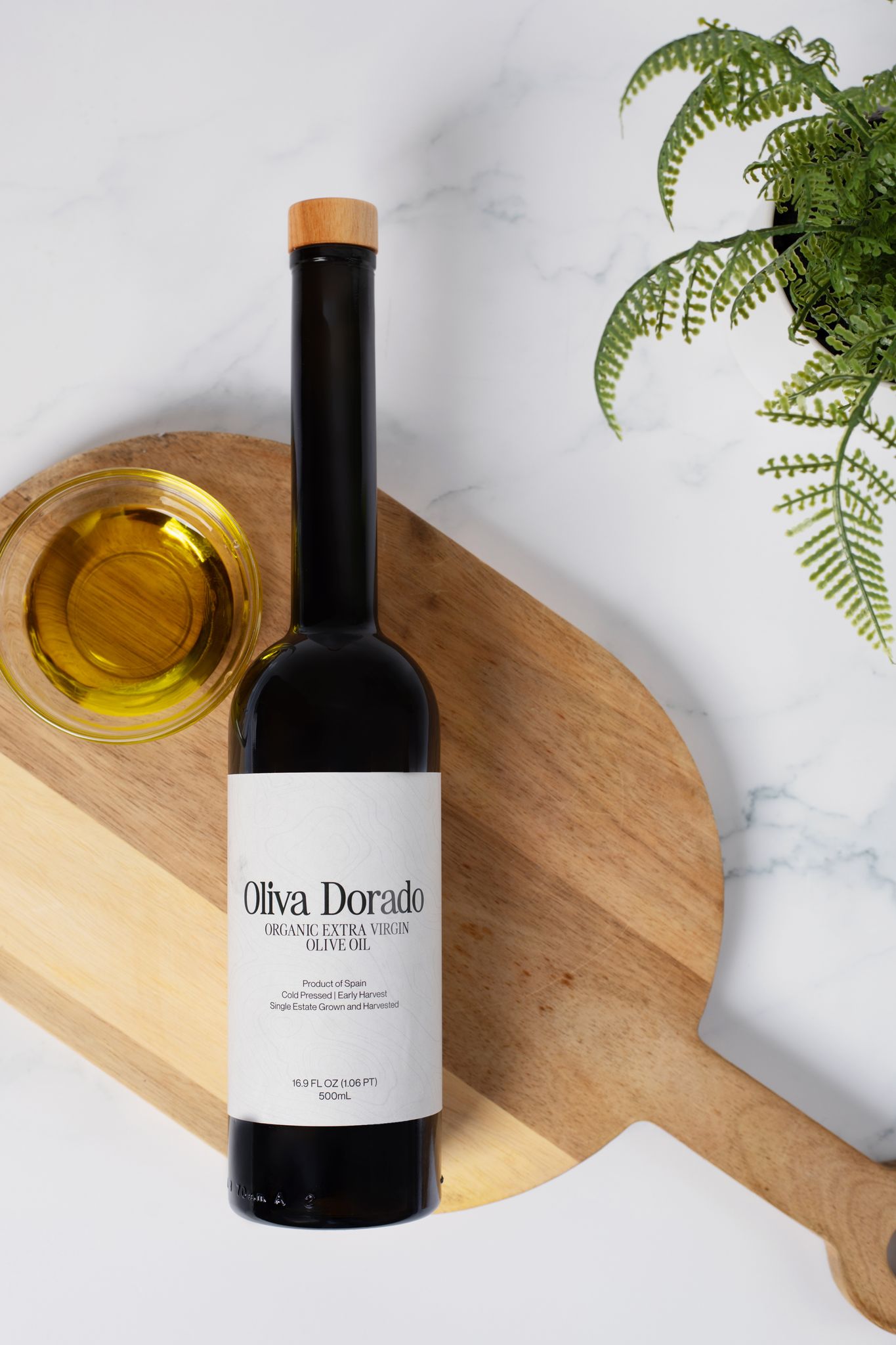


A simple, restaurant-style cast iron steak recipe made with grass-fed and grass-finished steaks, fresh herbs, garlic, lemon zest, jalapeño, and olive oil. The steaks are seared hot in cast iron, then rested and sliced directly on a butcher block so the juices mix into a fresh herby garlic board sauce.