Weeknight Spaghetti Squash Bowls with Meat Sauce (Healthy & High-Protein)
Weeknight Spaghetti Squash Bowls with Meat Sauce
A cozy, nutrient-dense dinner made for busy nights. Slow-roasted spaghetti squash topped with a rich, high-protein grass-fed meat sauce — served with warm sourdough garlic bread for the perfect comfort-food pairing.


If there’s one dinner we make on repeat in our home — especially on busy weeknights — it’s these spaghetti squash bowls with rich, high-protein meat sauce. It’s cozy, satisfying, and tastes like classic comfort food, but it’s naturally lighter, more nutrient-dense, and doesn’t leave you feeling weighed down like traditional pasta sometimes can.
What I love most about this recipe is how simple it is. The oven does most of the work. While the spaghetti squash roasts until tender and caramelized, you build a quick, flavor-packed meat sauce with grass-fed beef, garlic, tomatoes, and herbs.
The end result: a bowl that feels warm and hearty, yet surprisingly clean and easy to digest.
And yes — we usually always serve it with a slice of sourdough garlic bread on the side. Optional… but also not really optional. It’s the perfect contrast to the squash “noodles” and layers in that buttery, golden, crispy bite that makes the whole meal feel complete.
Why We Love This Meal as a Weeknight Staple
1. It’s naturally gluten-free and nutrient-dense
Spaghetti squash gives you that familiar twirl-able “pasta” feel, but with far fewer carbs and more fiber, vitamins, and antioxidants. If you’re gluten-free or just want a lighter option in the evenings, this is one of the easiest swaps you can make.
2. A high-protein base that actually keeps you satisfied
A pound of high-quality, grass-fed ground beef provides complete protein, healthy fats, B vitamins, iron, zinc, and the depth of flavor that only real beef gives. Pair that with slow-roasted squash, and you have a meal that’s filling without being heavy.
3. It’s extremely family-friendly
Bethany and I love meals that we can quickly “deconstruct” for Greylan — and this one is perfect. Soft spaghetti squash strands, finely chopped ground beef, and the tomato sauce can all be offered safely (adjusted by age). It’s minimal-ingredient, real food, and naturally kid-friendly.
4. Leftovers might be even better
The sauce deepens in flavor after resting overnight, and spaghetti squash reheats beautifully. We often double the sauce and use it for lunches throughout the week.
Tips for the Best Spaghetti Squash Texture
Most people struggle with spaghetti squash because it sometimes turns out watery or mushy. A few simple tweaks fix that:
Roast it cut-side down — it steams just enough while still allowing the edges to caramelize.
Don’t overbake — pull it when a fork goes through easily but the strands still have structure.
Let it cool a few minutes before shredding — this helps extra moisture evaporate.
If needed, spread the strands on a towel or in a dry pan — one minute is all it takes to absorb excess moisture.
These small steps make a big difference.
Want everything we used?
Use the exact tools and clean kitchen staples we reach for when making this recipe.
Shop Our KitchenIngredient Quality Matters
Like everything I share, this meal is built from simple, whole-food ingredients:
Grass-fed beef → richer flavor, better nutrient profile
No seed oils → we use butter or olive oil
Minimal ingredients → tomatoes, onion, garlic, herbs, salt, pepper
Optional sourdough → traditional fermentation for better digestion
Real food always tastes better — and your body knows the difference.
Easy Swaps & Customizations
Swap the squash for pasta if you want something more traditional.
Add veggies like mushrooms, spinach, or carrots to the sauce.
Make it dairy-free by skipping the parmesan and using olive oil.
Make it spicier with more red pepper flakes.
Make extra sauce and freeze it — it holds up perfectly.
This is one of those meals you can adapt endlessly.
A Comfort-Food Dinner You’ll Make Again and Again
We’ve made this dish so many times that it’s practically a part of our weekly rhythm. It’s nourishing, grounding, and hits that sweet spot between “healthy” and “comforting.” And on nights when we want something warm, simple, and protein-packed — this is the recipe we reach for without even thinking about it.
Scroll down to get the full recipe, instructions, and serving tips.

Weeknight Spaghetti Squash Bowls with Meat Sauce
A cozy, nutrient-dense dinner made for busy nights — slow-roasted spaghetti squash bowls topped with a rich, high-protein grass-fed meat sauce, plus optional sourdough garlic bread on the side for the perfect comfort-food pairing.
Ingredients
Meat Sauce
Spaghetti Squash
Optional Sourdough Garlic Bread
For Serving
Instructions
- Preheat the oven and prep the squash. Preheat your oven to 400°F. Carefully slice the spaghetti squash in half lengthwise and scoop out the seeds. Drizzle the cut sides with olive oil or melted butter, then season with sea salt, black pepper, and garlic powder (if using).
- Roast the spaghetti squash. Place the squash halves cut-side down on a parchment-lined baking sheet. Roast for 35–45 minutes, or until the flesh is tender and strands easily pull apart with a fork. Set aside to cool slightly, then shred into “noodles.”
- Start the meat sauce. While the squash roasts, warm a large skillet or pot over medium heat and add the butter or olive oil. Sauté the diced onion for 4–5 minutes, until soft and fragrant. Stir in the garlic and cook for about 30 seconds, until just fragrant.
- Brown the beef. Add the grass-fed ground beef to the pan. Cook, breaking it up with a wooden spoon, until fully browned and no longer pink. Season lightly with sea salt and black pepper as it cooks.
- Build and simmer the sauce. Stir in the tomato paste and cook for 1 minute to deepen the flavor. Add the crushed tomatoes, tomato sauce or passata, dried oregano, dried basil, a pinch of red pepper flakes (if using), and a small splash of bone broth if you’d like extra richness. Bring to a gentle simmer, then reduce the heat to low and let the sauce simmer for 20–30 minutes, stirring occasionally. Taste and adjust with additional sea salt, pepper, or herbs as needed.
- Make the sourdough garlic bread (optional). In a small bowl, mix the softened butter with minced garlic and a pinch of sea salt. Spread the mixture over the sourdough slices. During the last 8–10 minutes of the squash’s bake time, place the sourdough slices on a baking sheet and toast in the oven until golden and crisp. Sprinkle with chopped parsley, if using.
- Assemble the bowls. Use a fork to scrape the roasted spaghetti squash into long strands and divide among bowls. Spoon the meat sauce generously over the top of each portion.
- Garnish and serve. Top each bowl with fresh basil, grated parmesan or pecorino (if using), and a pinch of red pepper flakes. Serve hot with the sourdough garlic bread on the side.
Notes & Substitutions
- Gluten-free option: Skip the sourdough garlic bread or use a high-quality gluten-free sourdough. The spaghetti squash bowls themselves are naturally gluten-free.
- Prefer pasta? You can swap the spaghetti squash for about 12 oz of spaghetti or gluten-free pasta and toss with the meat sauce.
- Dairy tweaks: Use olive oil instead of butter and skip the cheese if you need this to be fully dairy-free.
- Extra protein: Stir in unflavored collagen peptides or use bone broth instead of water to bump up protein and minerals.
- Storage: Store leftovers in an airtight container in the fridge for up to 3–4 days. Reheat gently on the stovetop with a splash of water or broth.
- Make-ahead: The meat sauce actually gets better as it rests. You can make it 1 day ahead and roast the spaghetti squash fresh when you’re ready to serve.
Macros + Nutrition (Per Serving)
Approximate values based on 4 servings using grass-fed 85/15 beef, roasted spaghetti squash, and a small sprinkle of parmesan. Does not include optional sourdough garlic bread.
| Nutrient | Amount |
|---|---|
| Calories | ~430 |
| Protein | ~28 g |
| Carbs | ~22 g |
| Fat | ~24 g |
| Fiber | ~4 g |
| Sugar | ~10 g |
| Sodium | ~650 mg |
Note: Values will vary based on the size of the spaghetti squash, exact beef fat percentage, added cheese, and whether sourdough garlic bread is served on the side.
Shop Our Kitchen
These are the exact tools and clean staples we used to make this Spaghetti Squash Bowl with Meat Sauce. Some links are affiliate links (including Amazon), which means we may earn a small commission at no extra cost to you.
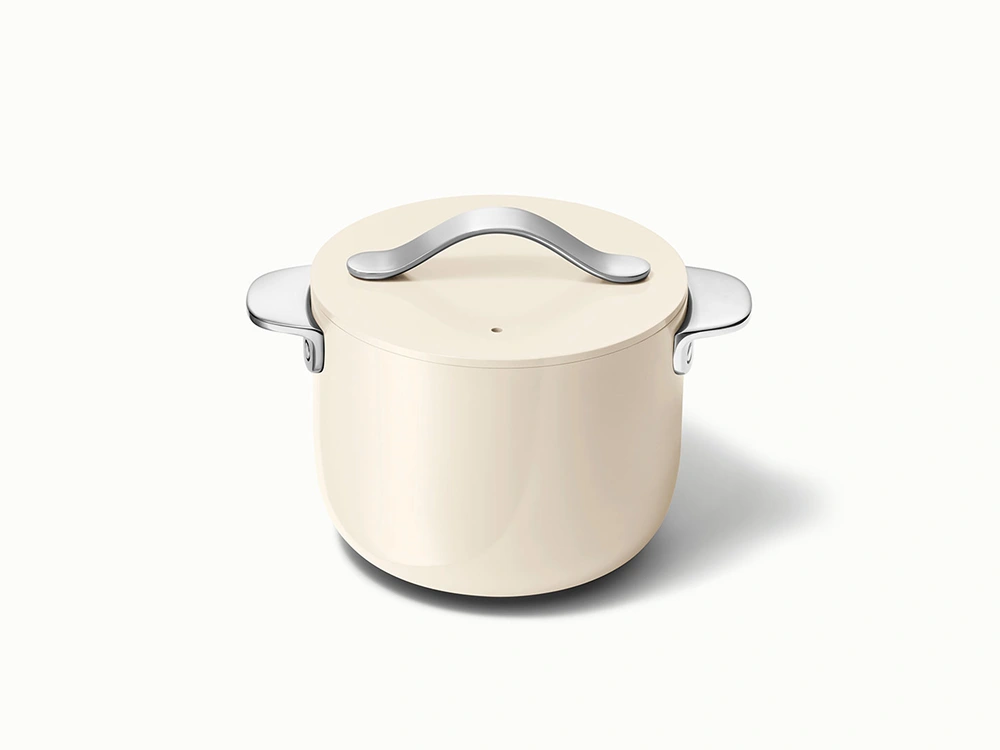
Caraway Sauté Pan / Dutch Oven
Our go-to pan for browning grass-fed beef and simmering rich tomato meat sauces without questionable coatings.
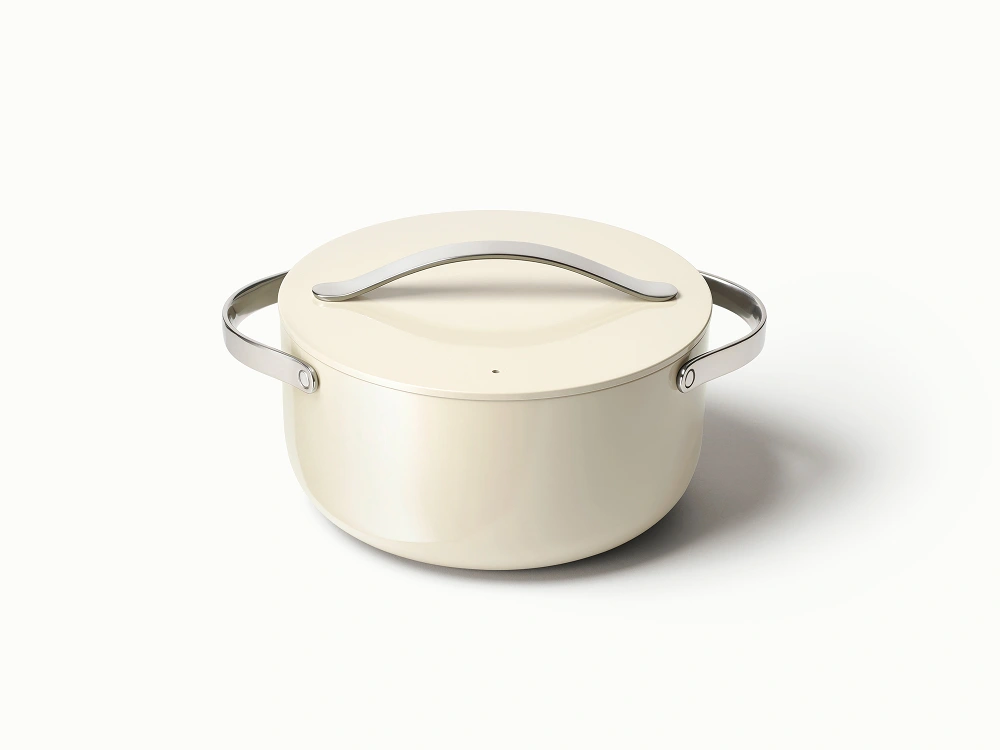
Large Stainless Pot
Perfect for simmering sauces or boiling water when swapping spaghetti squash for pasta.
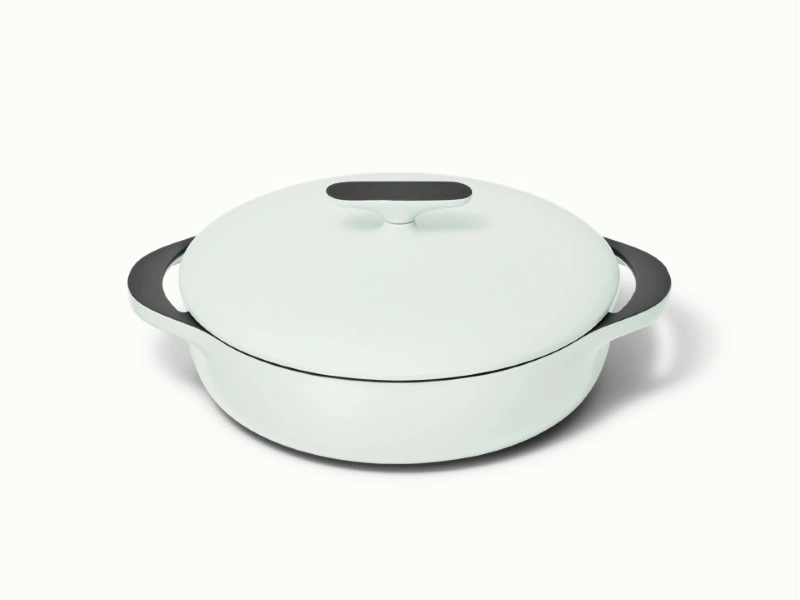
Stainless / Cast Iron Skillet
Ideal for sautéing garlic, onions, and browning beef for a richer meat sauce.

Stainless Steel Colander
Useful for rinsing spaghetti squash seeds or draining pasta if you choose the pasta version.

Wooden Spoon Set
Our favorite way to stir sauce, scrape fond, and break up ground beef evenly.

Microplane Zester & Grater
Perfect for freshly grated parmesan on top of your spaghetti squash bowls.

Glass Storage Containers
Perfect for storing leftover sauce or roasted spaghetti squash for easy meals the next day.
FAQ
Absolutely. If you’re craving a more traditional pasta night, swap the roasted spaghetti squash for about 12 oz of cooked spaghetti or gluten-free pasta and toss it with the meat sauce. The rest of the recipe stays the same.
Definitely. A mix of ground beef and ground pork makes the sauce even richer. You can also use ground lamb, bison, or turkey — just keep an eye on fat levels for the best texture and flavor. Higher-fat meats create a deeper, more luxurious sauce.
The key is to roast it cut-side down until just tender, then let it cool slightly before shredding into strands. If there’s excess moisture, you can spread the strands on a towel or in a dry pan for a minute or two. Avoid overcooking, which can make the squash watery and mushy.
Absolutely — this sauce actually gets better after a night in the fridge. Make it 1–2 days ahead, store in a sealed glass container, and reheat gently on the stovetop. Roast the spaghetti squash fresh when you’re ready to serve for the best texture.
If the sauce is too thick, add a splash of bone broth or filtered water and simmer until it loosens slightly. If it’s too thin, let it simmer uncovered for a few extra minutes until it reduces and thickens up.
The spaghetti squash bowls themselves are naturally gluten-free. Just be sure your tomatoes and seasonings are clean. If you’re serving the optional sourdough garlic bread, swap in a high-quality gluten-free sourdough or skip the bread to keep it fully gluten-free.
Store leftover spaghetti squash and meat sauce in an airtight glass container in the fridge for 3–4 days. Reheat gently on the stovetop with a splash of water or bone broth to loosen the sauce. If the squash releases extra liquid, just simmer for a minute until it thickens.




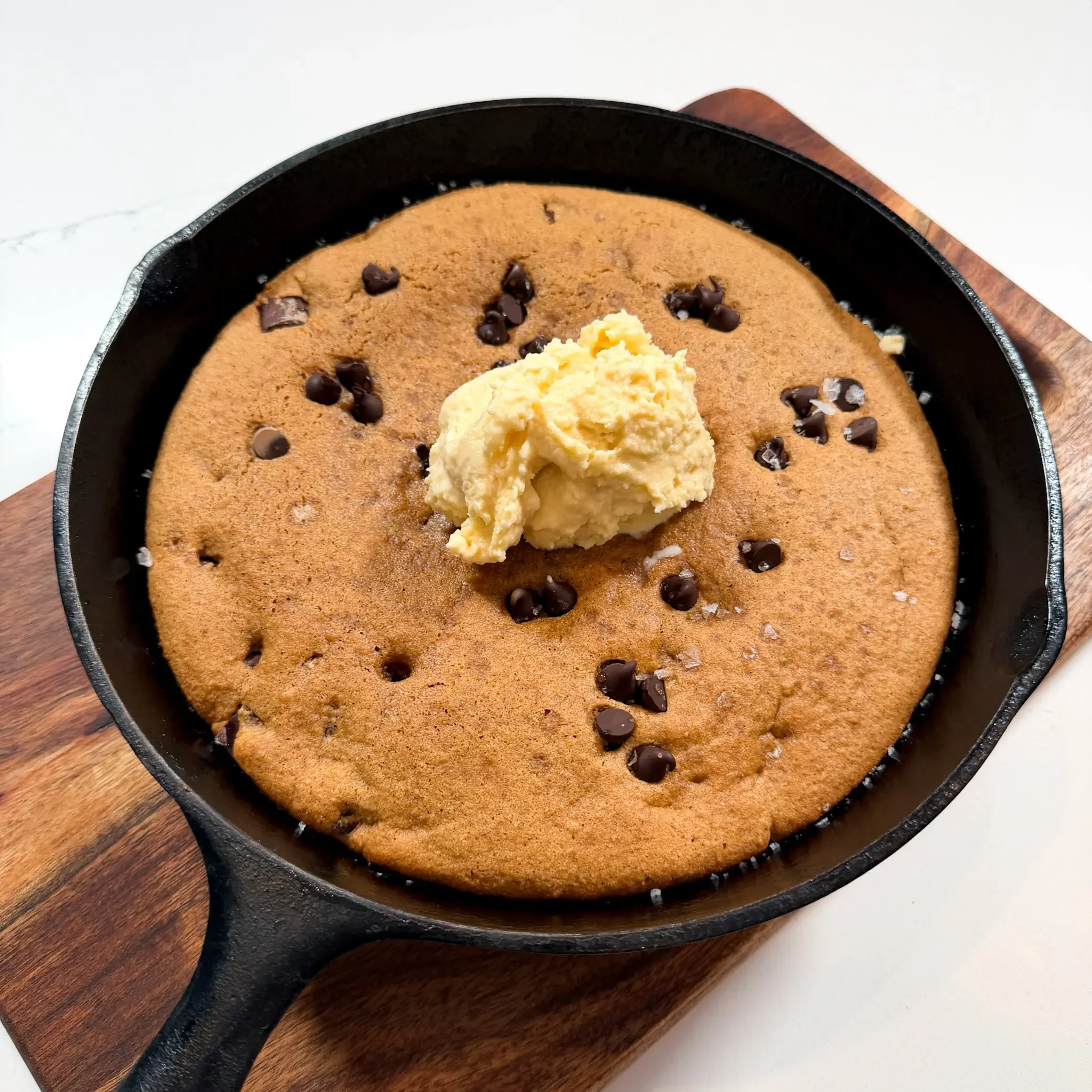

A soft, naturally sweetened smash cake made with bananas, applesauce, sprouted oat flour, and creamy cashew butter. No added sugar, no seed oils, and topped with a protein-rich Greek yogurt frosting—perfect for baby's first birthday.