Sourdough Discard Protein Pancakes (A Gut-Friendly, High-Protein Breakfast)
Sourdough Discard Protein Pancakes (Gut-Friendly)
These sourdough discard protein pancakes are made with just a handful of whole-food ingredients and come together in minutes. Naturally fermented, gently sweetened with honey, and boosted with bone-broth-based protein, they’re filling, blood-sugar friendly, and easy to digest — perfect for busy mornings or slow weekend breakfasts the whole family will love.

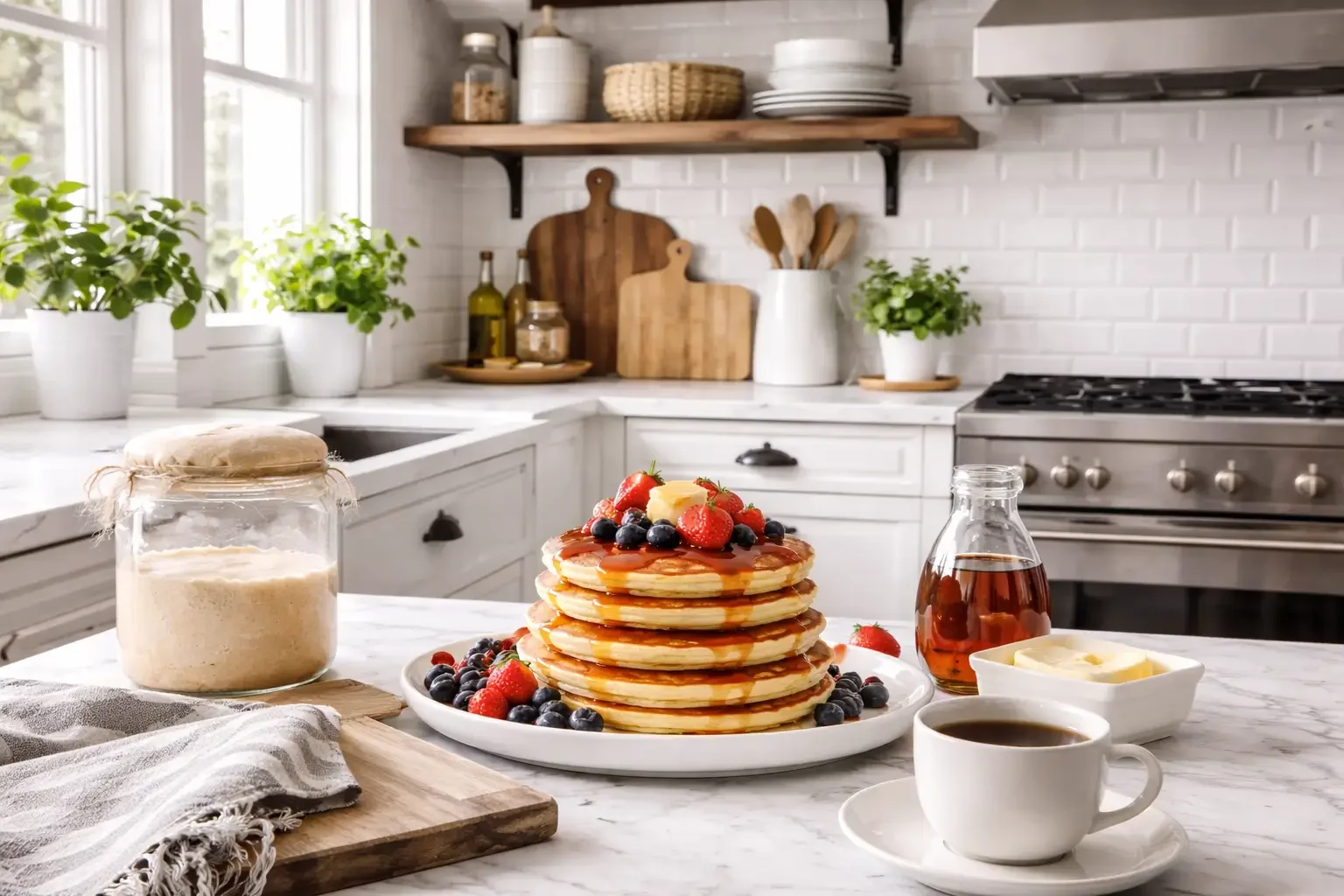
Pancakes don’t usually get lumped into the “health food” category—and for good reason. Most traditional pancake mixes are built on refined flour, added sugars, industrial seed oils, and artificial flavorings. They spike blood sugar, leave you hungry an hour later, and don’t offer much in the way of real nourishment.
But pancakes can be a genuinely nourishing meal when you start with the right foundation.
These sourdough discard protein pancakes are made with just a handful of whole-food ingredients, take about 5–10 minutes to prepare, and are designed to support gut health, blood sugar balance, and satiety. They’re especially practical for busy mornings, weekend breakfasts, or feeding kids something familiar that actually supports their health.
This recipe uses fermented sourdough starter, quality fats, real sweeteners, and a unique protein boost that turns a comfort food into something far more substantial.
Why Sourdough Makes a Difference
Sourdough isn’t just a baking trend—it’s one of the oldest food preparation methods humans have used. Through natural fermentation, wild bacteria and yeast begin breaking down compounds in grain that can otherwise interfere with digestion.
Fermentation has been shown to reduce phytic acid content, improve mineral bioavailability, and make carbohydrates easier to tolerate for many people. While pancakes don’t ferment for long like sourdough bread does, using sourdough discard still brings organic acids and beneficial byproducts of fermentation into the recipe.
That’s one reason these pancakes tend to feel more satisfying and easier on digestion compared to conventional pancakes.
The Role of Protein at Breakfast
One of the biggest problems with modern breakfast foods—even “healthy” ones—is how low they are in protein. A carb-heavy breakfast without adequate protein often leads to blood sugar swings, mid-morning crashes, and constant snacking.
Adding a meaningful protein source helps stabilize blood sugar, improves satiety, and supports muscle maintenance and metabolic health throughout the day.
That’s why this recipe includes a beef-based protein powder rather than relying solely on flour or grains. Unlike many plant-based or highly processed protein powders, this option provides amino acids from bone broth and organs—nutrient-dense foods humans have relied on historically but often struggle to consume regularly today.
You’ll notice that once cooked, these pancakes are far more filling than standard pancakes, even without large portions.
▶️ Watch the Full Recipe Video
Read the video transcript
[0:00] Pancakes can be a health food if you use the right ingredients. And today we’re going to be doing just that.
[0:05] Despite what you might believe, most pancakes are loaded with refined flour, artificial sugars, seed oils, and fillers. Today, we’re using just nine whole-food ingredients that actually support health.
[0:16] These pancakes take about 5–10 minutes to make, the kids love them, and they work just as well on a busy weekday as they do on a slow Sunday morning.
[0:25] These are protein-packed sourdough discard pancakes that are fermented, easy to digest, and surprisingly delicious.
[0:53] The foundation of this recipe is an active or discard sourdough starter. This is what gives the pancakes many of their gut-friendly properties.
[1:18] We’re also using a pasture-raised egg, raw local honey, maple syrup, high-quality sea salt, baking powder, avocado oil, and grass-fed butter.
[1:46] To take these pancakes to the next level, we’re adding a vanilla bone-broth-based protein powder made with beef organs and medicinal mushrooms.
[2:13] There’s nothing synthetic here — no artificial sweeteners, no fillers, and no seed oils. It tastes like a high-quality vanilla protein powder, and you can’t taste the organs at all.
[2:36] This recipe is simple. These ratios are for two people, but you can easily double or triple them.
[2:48] Start with one cup of sourdough discard or active starter, then add one egg, one tablespoon of avocado oil, and about one teaspoon of raw honey.
[3:35] Add a pinch of high-quality sea salt, half a teaspoon of baking powder, and one heaping scoop of protein powder.
[4:10] Whisk everything together until it resembles classic pancake batter. If it’s too thick, add a small splash of milk.
[4:30] Heat a non-toxic skillet over medium heat. Cast iron works great. Add a bit of grass-fed butter to prevent sticking.
[4:48] Even though heating protein powder can reduce some nutrients, you still retain the protein and amino acids that support blood sugar balance and satiety.
[5:41] Pour the batter into the skillet and cook until bubbles form, then flip and cook until golden.
[6:06] This protein powder combines bone broth protein, organs, and medicinal mushrooms — a simple way to add more nutrient-dense protein to everyday recipes.
[7:24] These pancakes are made with farm-fresh, real ingredients. You can make almost any recipe healthier when ingredient quality is the priority.
[7:49] The final result? Fluffy, satisfying pancakes that taste great and actually nourish your body.
[7:55] If you enjoyed this recipe, be sure to like, subscribe, and share it with someone who needs a better pancake recipe.
This video walks through the entire recipe step-by-step and explains why each ingredient matters from a health perspective.
Don’t have a sourdough starter yet? Learn how to easily make yours here in just a few days!
Ingredient Quality Matters
One of the biggest takeaways from this recipe isn’t just what you make—but what you use to make it.
Using high-quality, minimally processed ingredients can dramatically change the nutritional profile of a meal. In this recipe, that means:
Sourdough starter instead of refined flour
Raw or local honey instead of refined sugar
Pasture-raised eggs for better fat-soluble vitamins
Avocado oil and grass-fed butter instead of industrial seed oils
When possible, sourcing ingredients locally also improves freshness and supports small farms using better agricultural practices.
About Heating Protein Powder
A common question is whether cooking protein powder “destroys” its benefits. While heat can reduce certain heat-sensitive compounds, protein itself remains intact, and amino acids are still fully available.
Bone broth is traditionally simmered for hours, yet still provides collagen, glycine, proline, and other beneficial compounds. The same principle applies here—you may lose small amounts of certain micronutrients, but the protein, amino acids, and blood-sugar-stabilizing benefits remain.
This recipe focuses on practicality: a warm, filling breakfast that still delivers meaningful nutrition.
A Simple Rule for Healthier Comfort Foods
You don’t need complicated recipes or extreme dietary rules to eat well. Almost any comfort food can be upgraded when you focus on:
Fermentation when possible
Adequate protein
Real fats
Minimally processed ingredients
These pancakes are proof that familiar foods don’t have to be nutritionally empty. With a few intentional swaps, they can support gut health, stable energy, and long-term nourishment—without sacrificing taste.
If you’re looking for an easy way to use sourdough discard, increase protein intake, or create a breakfast your whole family enjoys, this recipe is a great place to start.
Sourdough Discard Protein Pancakes
Quick, fluffy sourdough discard pancakes made with real ingredients and boosted with bone-broth-based protein for a more filling, blood-sugar-friendly breakfast. Naturally fermented, lightly sweetened with honey, and ready in minutes — perfect for busy mornings or slow weekend breakfasts.
Ingredients
Instructions
- Mix the batter. In a medium bowl, whisk together the sourdough starter, egg, avocado oil, honey, salt, and baking powder until smooth. Add the protein powder and whisk again until fully incorporated.
- Adjust consistency. The batter should resemble classic pancake batter — thick but pourable. If it’s too thick, add a small splash of milk and whisk gently until smooth.
- Preheat the skillet. Heat a cast-iron or non-toxic skillet over medium heat. Add a small amount of grass-fed butter to coat the surface.
- Cook the pancakes. Pour batter into the hot skillet to form pancakes. Cook until bubbles form and the edges look set, about 2–3 minutes, then flip and cook another 1–2 minutes until golden.
- Serve warm. Remove from heat and serve immediately with butter and real maple syrup, if desired. These pancakes are especially filling and satisfying thanks to the added protein.
Notes & Substitutions
- Starter type: Active starter or discard both work well in this recipe.
- Protein powder: A bone-broth-based protein blends best and keeps flavor neutral.
- Sweetener: Honey and maple syrup are interchangeable here.
- Pan choice: Cast iron works best for even browning and non-toxic cooking.
- Storage: Best enjoyed fresh, but leftovers can be refrigerated up to 2 days and reheated gently.
Macros + Nutrition (Per Serving)
Approximate values for one serving (½ of the recipe), based on sourdough starter, pasture-raised egg, avocado oil, raw honey, grass-fed butter for cooking, and a bone-broth-based vanilla protein powder. Values will vary depending on starter hydration, protein powder brand, and how much butter or syrup is used when serving.
| Nutrient | Amount |
|---|---|
| Calories | ~360 |
| Protein | ~28 g |
| Carbs | ~32 g |
| Sugar | ~6 g |
| Fat | ~16 g |
| Saturated Fat | ~6 g |
| Fiber | ~2 g |
| Sodium | ~320 mg |
Note: These pancakes are significantly higher in protein than conventional pancakes due to the added bone-broth protein. Using additional butter, milk, or maple syrup for serving will increase calories and fat accordingly.
Shop Our Kitchen
These are the exact tools + nourishing staples we use to make these Sourdough Discard Protein Pancakes. Includes Amazon and affiliate links — all at no extra cost to you.

Cast Iron Always Pan
Our go-to non-toxic pan for evenly browned, crispy-edge pancakes (and it only gets better with time).

Glass Mixing Bowls
Perfect for whisking starter, egg, honey, and protein powder into a smooth, pourable batter.

Stainless Steel Whisk
Helps you fully incorporate the protein powder so the batter stays light and clump-free.

Measuring Spoons
For getting the honey, baking powder, and salt just right — especially when you’re cooking on autopilot.
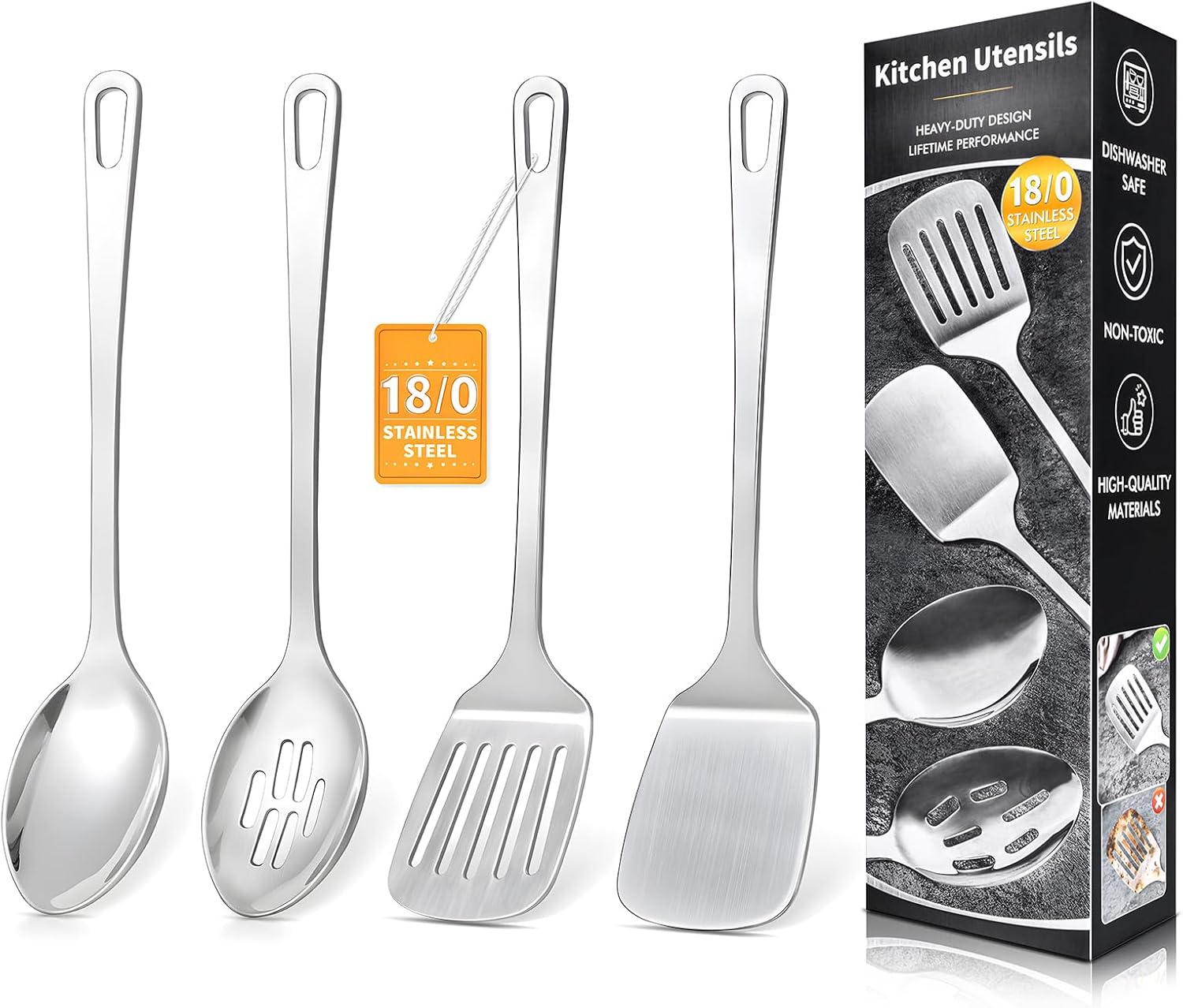
Thin Pancake Spatula
Makes flipping easy without tearing — especially once the batter starts bubbling and setting.

Sourdough Starter Jar
Keeps your starter active, bubbly, and ready — plus it makes discard recipes like this effortless.

Ancestral Protein Powder
The easiest way to turn pancakes into a high-protein breakfast — bone broth + organs + mushrooms, no weird additives.

Avocado Oil
A clean, high-heat fat that keeps pancakes tender without the seed-oil mess found in most mixes.
FAQ
You can use either active starter or discard. Active starter may give slightly more lift and a touch more tang, but discard works beautifully here — that’s the whole point of this recipe. The baking powder helps keep the pancakes light either way.
Yes. This batter is naturally thicker than boxed pancake batter, especially with the added protein powder. You want it thick but pourable. If it’s too thick to spread in the pan, add a small splash of milk and whisk again until it loosens up.
Nope — it’s optional. The protein powder is what turns these into high-protein pancakes that are more filling and blood-sugar friendly. If you skip it, the batter will be thinner and the pancakes will be less “protein-packed,” but the recipe still works. You may want to add an extra splash of milk or a little extra starter to dial in consistency.
Some heat-sensitive compounds can degrade with cooking, but you’re still getting the protein and amino acids, which is the main benefit here. Think of bone broth — it’s cooked for hours and still provides valuable building blocks. Bottom line: cooked or not, this is still a very nutrient-dense way to boost protein at breakfast.
Cast iron is my go-to. It’s naturally non-toxic, holds heat really evenly, and gives you that golden-brown outside without needing much fat. A well-seasoned carbon steel pan also works great. If you’re using stainless steel, preheat well and use enough butter so the pancakes don’t stick.
Yes. You can swap honey or maple syrup interchangeably. You can also reduce it or skip it — especially if you’re serving with syrup or fruit. Just note: a small amount of sweetener helps round out the flavor, especially with sourdough discard.
It depends on how big you pour them, but this usually makes about 4–6 medium pancakes, which is perfect for 2 servings. If you’re feeding kids or a bigger crew, just double the batch.
You can mix it a few hours ahead and keep it covered in the fridge. If it thickens, add a splash of milk before cooking. For best texture, I recommend cooking the pancakes fresh — but leftovers reheat well.
Store leftovers in an airtight container in the fridge for up to 2 days. Reheat in a skillet over low heat, in a toaster oven, or briefly in the microwave. If you want the edges crisp again, reheat them in a buttered cast-iron pan for 30–60 seconds per side.
Yes. Let them cool completely, then freeze in a single layer before transferring to a bag or container. They’ll keep well for up to 2 months. Reheat in a toaster oven or skillet for best texture.


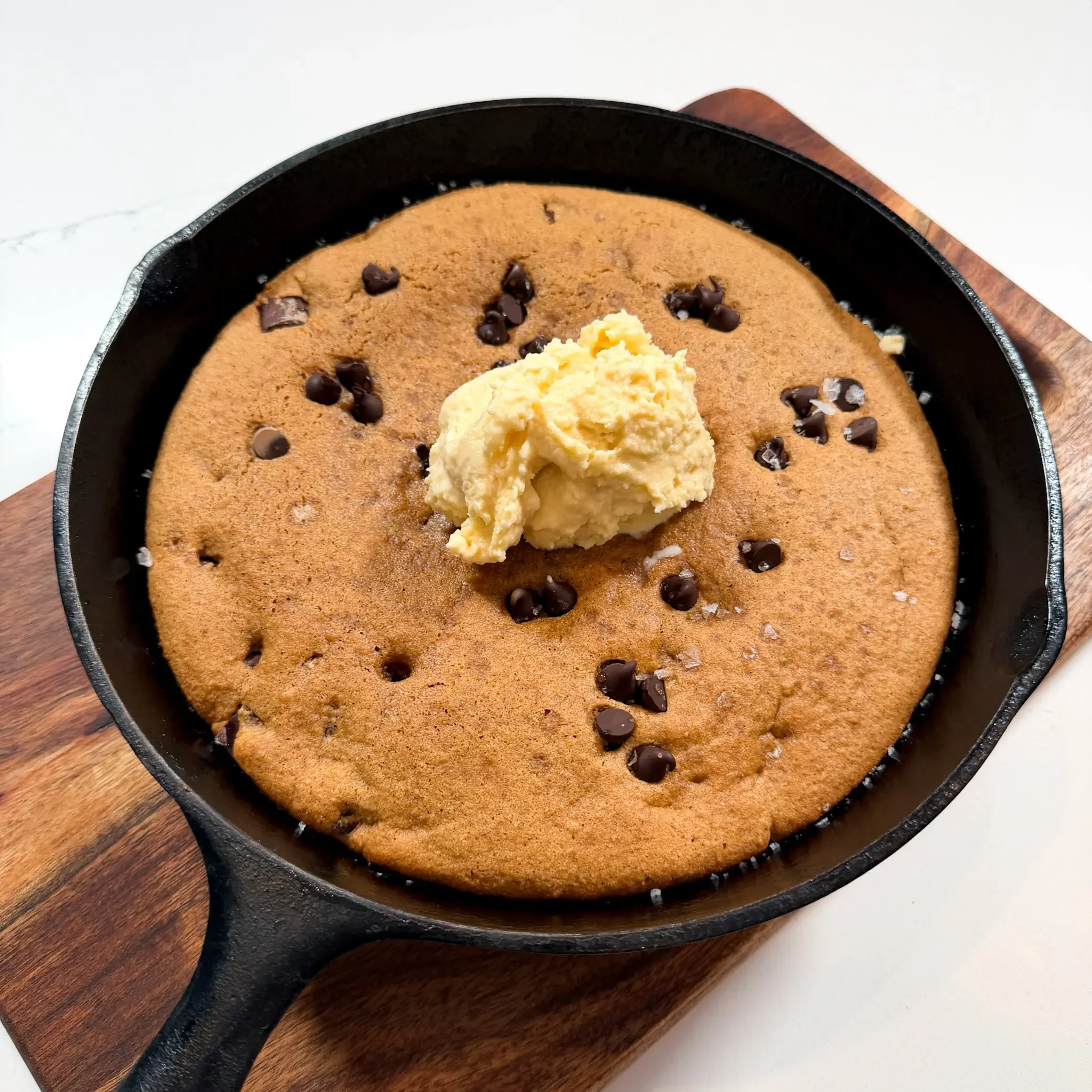

A soft, naturally sweetened smash cake made with bananas, applesauce, sprouted oat flour, and creamy cashew butter. No added sugar, no seed oils, and topped with a protein-rich Greek yogurt frosting—perfect for baby's first birthday.