The First Food We Gave Our Son (And Why We Chose Homemade Chicken Stock)
Greylan’s First Food: Homemade Gelatinous Chicken Stock (How We Made It)
At almost six months old, we introduced Greylan to his very first “food” — a simple, savory homemade chicken stock made from a pasture-raised, corn- and soy-free chicken carcass plus chicken feet for extra collagen/gelatin. This post shares our personal experience, why we chose stock as a gentle first step, and exactly how to make a rich, jiggly stock you can portion and freeze for your baby (and use for the whole family, too).

There’s something about that first food that feels heavier than it probably should.
Not heavy in a stressful way—but meaningful.
When my wife and I sat down and talked about what we wanted Greylan’s first food to be, it wasn’t a decision we made casually. He’s six months old. He’s curious. He watches everything we do. And suddenly, this tiny human who has only ever known breast milk is ready to experience food for the first time.
That moment felt worth slowing down for.
We didn’t want his first food to be something random. We wanted it to be nourishing, gentle, and intentional—something that supported his gut, his immune system, and his rapidly growing body.
So we started with homemade chicken stock.
Not because it’s trendy. Not because it’s “ancestral.” But because it made sense.
Why We Didn’t Start With Purées or Baby Cereals
There’s no shortage of advice when it comes to starting solids. Rice cereal. Oat cereal. Vegetable purées. Fruit purées. Store-bought baby food pouches with labels that look clean and comforting.
But when we zoomed out and asked a simpler question—what does a developing human actually need?—the answer wasn’t sugar, starch, or fiber overload.
It was nutrients.
Babies are growing at an unbelievable rate. Their brains, nervous systems, connective tissue, and immune systems are under construction 24/7. That kind of growth requires building blocks—amino acids, minerals, collagen, glycine, gelatin, and fats that support development.
Chicken stock checks those boxes in a way very few “first foods” do.
It’s easy to digest.
It’s rich in minerals.
It supports gut integrity.
And it introduces savory flavor without overwhelming a brand-new digestive system.
“A baby’s first foods don’t need to be complicated — they need to be gentle, nourishing, and easy to digest.”
The Chicken We Chose (And Why That Matters)
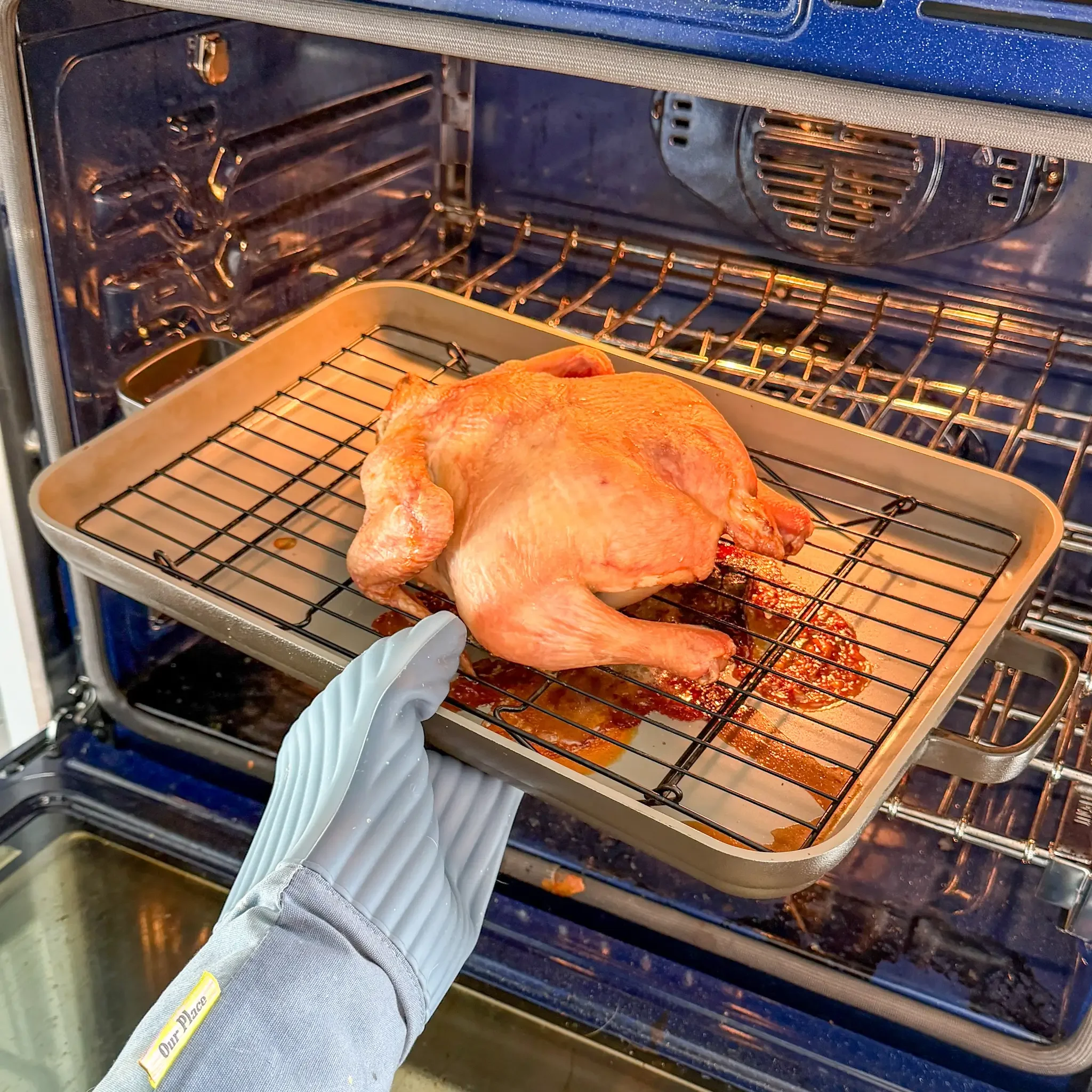
We sourced a pasture-raised, corn- and soy-free chicken from our local farm.
That part wasn’t negotiable for us.
If you’re going to concentrate something—like stock—you want the cleanest inputs possible. Conventional chicken can carry residues from feed, antibiotics, and environmental toxins. When you simmer bones and connective tissue, those compounds can end up in the final broth.
We wanted to avoid that.
So we baked the chicken, enjoyed the meat ourselves, and saved the carcass for Greylan. Nothing wasted. Everything used with intention.
And then we took it a step further.
Why We Added Chicken Feet
This might sound unusual if you’ve never made stock this way—but it’s one of the most important parts.
We added about a pound of chicken feet to the pot.
Chicken feet are loaded with collagen, gelatin, glucosamine, and glycine—nutrients that support:
Gut lining integrity
Joint and connective tissue development
Nervous system calming
Skin and tissue growth
When the stock finished cooking and cooled, it turned thick and gelatinous.
That’s exactly what we wanted.
That gel is a sign you extracted real nourishment—not just flavor.
How We Made Our Chicken Stock (Step-by-Step)
This is the exact process we used.
Ingredients
1 roasted chicken carcass
~1 lb chicken feet (cleaned and trimmed)
Filtered water (enough to cover)
That’s it.
No vegetables. No spices. No salt.
For a baby’s first food, simplicity matters.
Instructions
Place the chicken carcass and feet into a pressure cooker.
Cover completely with filtered water.
Seal and cook on high pressure for 2–3 hours.
Allow pressure to release naturally.
Strain out all solids.
Let the stock cool completely.
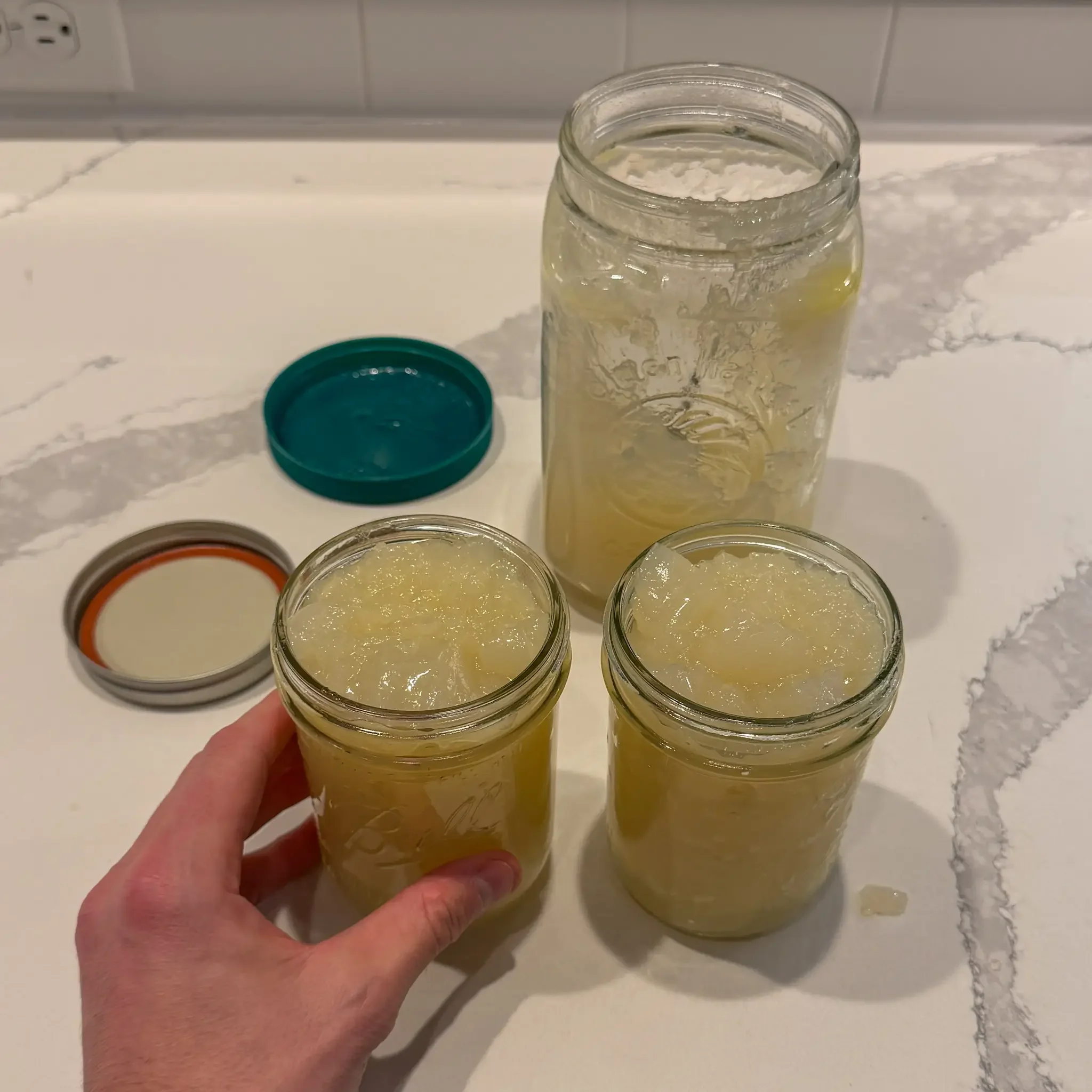
Once cooled, it should be gelatinous and jiggle like Jell-O.
We portioned it into small glass containers and froze most of it, keeping a small amount in the fridge for the week.
Feeding It to Greylan for the First Time
We served it to him still in cooled, Jell-O consistency just as you see in the picture above. Only a small amount—just a few teaspoons.
No spoon overload. No pressure. No expectations.
We let him taste it.
And honestly? He loved it.
Not in an exaggerated, dramatic way—but in a calm, curious way. He leaned in. He opened his mouth. He didn’t reject it. His body didn’t react negatively.
That felt like confirmation.
No digestive distress. No skin reactions. No fussiness afterward.
Just nourishment.
“Starting with real, simple foods helps set the tone for how a child experiences food — as nourishment, not just calories.”
Why Stock Makes Sense as a First Food
Chicken stock isn’t meant to replace breast milk or formula—it’s a complement, not a substitute.
But as a first food, it offers something unique:
Minerals in an easily absorbed form
Amino acids that support gut and brain development
Gelatin that helps seal and protect the intestinal lining
Savory flavor that expands taste preferences early
It’s gentle. It’s grounding. It’s real food.
And it introduces babies to nourishment—not just calories.
A Note for Parents Reading This
If you didn’t start with stock, you didn’t do anything wrong.
If you used purées, jars, or pouches—your child is okay.
This isn’t about perfection.
It’s about intentionality.
About slowing down and asking better questions.
About remembering that food isn’t just fuel—it’s information for a developing body.
For us, homemade chicken stock felt like a powerful way to say:
“We’re building you from the ground up—with care.”
And that felt like the right place to start.
Greylan’s First Food: Gelatinous Chicken Stock (Pressure Cooker)
Our go-to homemade chicken stock for babies + the whole family. We make it from a pasture-raised, corn- and soy-free chicken carcass plus chicken feet for extra collagen/gelatin. It cools into a beautiful gel and reheats into a savory, mineral-rich stock — a gentle first food to introduce in tiny amounts once baby is ready for solids.
Ingredients
Instructions
- Load the cooker. Add the roasted chicken carcass and chicken feet to your pressure cooker insert.
- Add water. Pour in filtered water just until everything is covered (don’t exceed your cooker’s max fill line).
- Pressure cook. Seal the lid. Cook on high pressure for 2–3 hours. (We go longer when we want it extra gelatinous.)
- Natural release. Let the pressure release naturally until the pin drops, then carefully open the lid.
- Strain. Strain the stock through a fine-mesh strainer into a large bowl/jar. Discard bones/solids.
- Cool + portion. Cool on the counter briefly, then refrigerate until fully chilled. It should set up like Jell-O. Portion into small jars or silicone molds and refrigerate or freeze.
- Serve to baby (tiny amounts). Warm a small portion and start with 1–2 tsp. Work up slowly as tolerated.
Notes & Substitutions
- Baby note: Keep it plain (no salt, onions, garlic, herbs) if using as a first food. Always check with your pediatrician if you have questions, especially for allergies or medical concerns.
- Gel test: If it doesn’t gel much, cook longer next time or add a few more feet.
- Storage: Refrigerate up to 4 days. Freeze up to 3 months. (We freeze in 2–4 Tbsp portions.)
- How we use it: Sip as a warm drink, use as a base for soups, or stir into mashed veggies/meat purées later on.
- Sourcing: Best results come from pasture-raised chickens + feet from a trusted farm.
Nutrition Notes (For Baby + Family)
Chicken stock isn’t a “macro meal” — it’s a gentle, nutrient-dense liquid. Exact nutrition varies a lot based on: the size of the chicken, how much meat/cartilage remains on the carcass, how many feet you use, cook time, and how much water you add. The values below are best treated as ballpark estimates for a 1/2 cup (4 oz) serving of a well-gelled homemade stock made from 1 chicken carcass + ~1 lb feet.
| Nutrient | Approx. Amount (per 1/2 cup) |
|---|---|
| Calories | ~15–45 |
| Protein | ~3–10 g |
| Carbs | ~0 g |
| Sugar | ~0 g |
| Fat | ~0–3 g |
| Collagen/Gelatin | Varies (higher when it gels) |
| Sodium | Low if unsalted; varies by water + bones |
Important note for parents: For a baby’s first tastes, we keep stock plain (no added salt). Start with 1–2 tsp, then slowly work up if baby tolerates it well. If your stock has a visible fat cap, you can skim a little off for an even gentler first introduction — or leave it, depending on your comfort level. Always use your pediatrician’s guidance for your baby’s specific needs.
Shop Our Kitchen
These are the exact tools we use to make Greylan’s first food — a rich, gelatinous homemade chicken stock. Pressure cooker, strainer, storage jars, and a few simple essentials that make batch cooking easy. Includes Amazon and affiliate links — all at no extra cost to you.

Ninja Foodi 10-in-1 Pressure Cooker
This is what makes stock doable as busy parents — set it, walk away, and you get that deep, gelatinous result without babysitting a pot.

9" Large Fine Mesh Strainer
Key for getting a clean, smooth stock (no bone fragments). We strain once into a big bowl, then pour into jars.

Large Stainless Mixing Bowl
Sounds basic, but having a big bowl makes straining way less stressful (and prevents spills when you’re pouring hot broth).

Glass Storage Containers (Leakproof)
We store a few days in the fridge and freeze the rest. Glass keeps it clean (no plastic taste) and reheats well.
Silicone Freezer Tray (Small Portions)
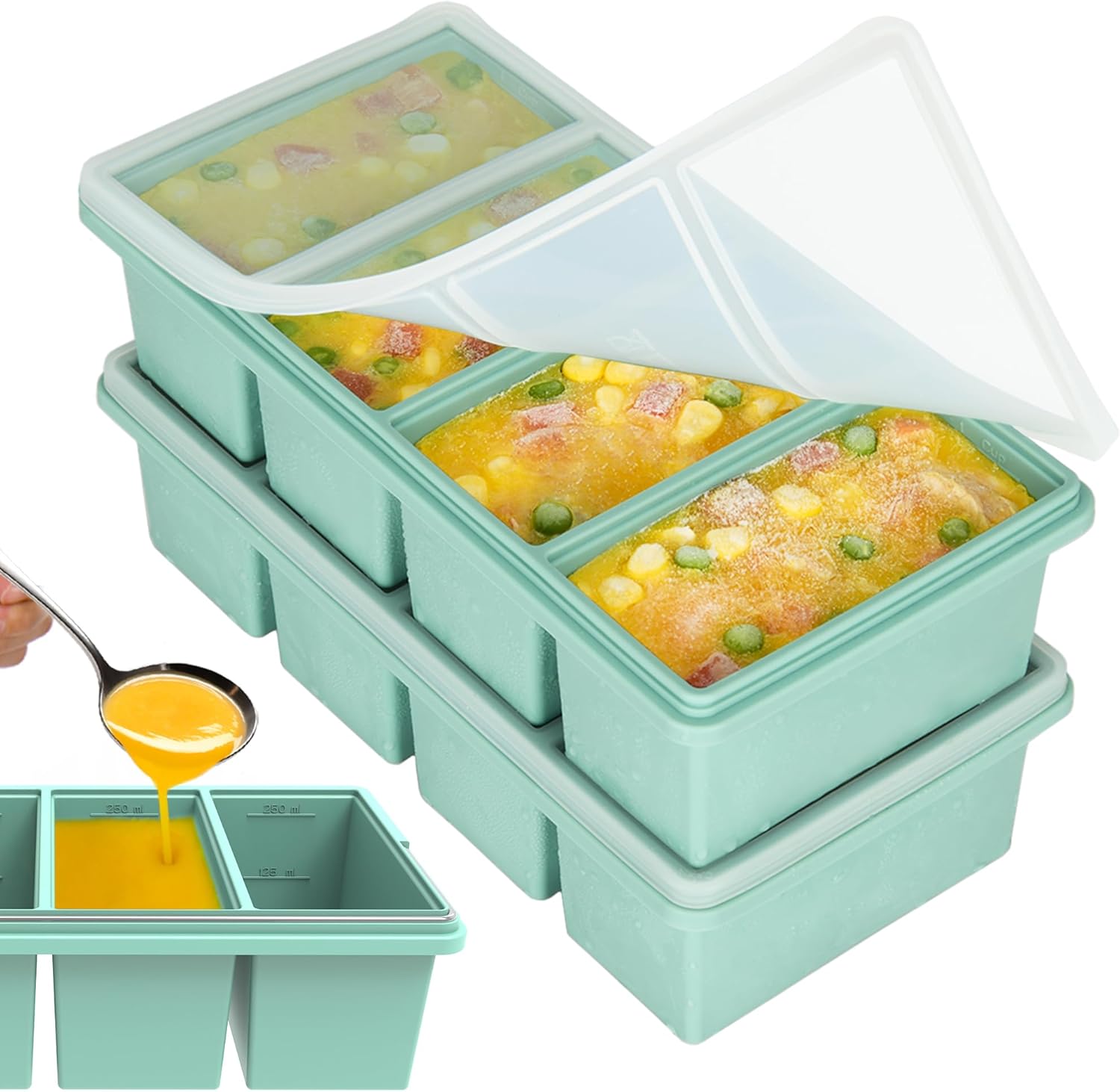
Our favorite way to freeze “baby portions.” Pop out 1–2 Tbsp cubes and warm exactly what you need.
AquaTru Countertop Water Filter
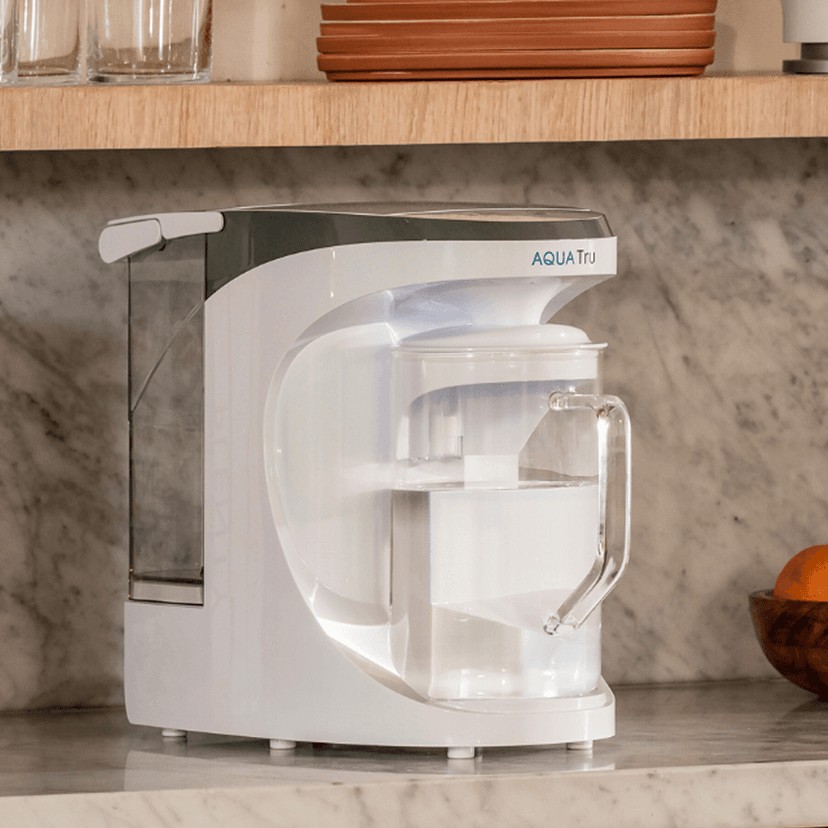
We only use filtered water for stock (and everything else). It’s a small thing that adds up when you’re making concentrated foods.

MEATER Plus: Wireless Meat Thermometer
We roast the chicken first for us, then turn the carcass into stock. This keeps cooking simple and takes the guesswork out.
FAQ
We wanted something gentle, savory, and nutrient-dense that would support gut development without overwhelming his digestive system. Homemade chicken stock provides minerals, amino acids, and gelatin in a very easy-to-digest form — and it felt like a calm, intentional way to introduce “real food.”
Many babies are ready for small tastes of simple foods around 6 months, once they can sit with support and show interest in food. We started with just 1–2 teaspoons. Always follow your pediatrician’s guidance for your baby’s individual readiness and needs.
No. For a baby’s first foods, we keep the stock completely unsalted. Adults can season their portion later if using the stock for soups or meals. Keeping it plain gives you flexibility and keeps sodium low for babies.
Not necessarily. Gel depends on the amount of collagen-rich parts (like feet, necks, and joints), cook time, and water level. If it doesn’t gel much, try cooking longer next time or adding a few more chicken feet. Even liquid stock still has value.
You don’t have to, but they make a big difference in collagen and gelatin content. If chicken feet feel intimidating, you can substitute with wings, necks, or extra joints — just expect a slightly lighter gel.
That’s up to you. For a very gentle first introduction, some parents skim a little fat. We personally leave it in, since fat supports brain development. You can always adjust based on how your baby tolerates it.
Start small — 1–2 teaspoons is plenty at first. Gradually increase as your baby tolerates it well. This isn’t meant to replace breast milk or formula, just to gently introduce flavor and nourishment.
Store stock in the fridge for up to 4 days or freeze for up to 3 months. We like freezing in small silicone molds so we can thaw exactly what we need.
Absolutely. This is one of the reasons we love it — it’s a true “family food.” We use the same batch for soups, cooking grains, sipping in a mug, and later mixing into Greylan’s purées as he grows.
When made with clean, high-quality ingredients and handled safely, homemade stock is generally considered safe. Always strain carefully, cool quickly, store properly, and reheat gently. When in doubt, consult your pediatrician — especially if your baby has medical conditions or food sensitivities.




Bringing our son home changed the way we see everything — from the air we breathe to the products we use every day. This is how we’re building a healthier, lower-toxin home for our growing family, one thoughtful change at a time.